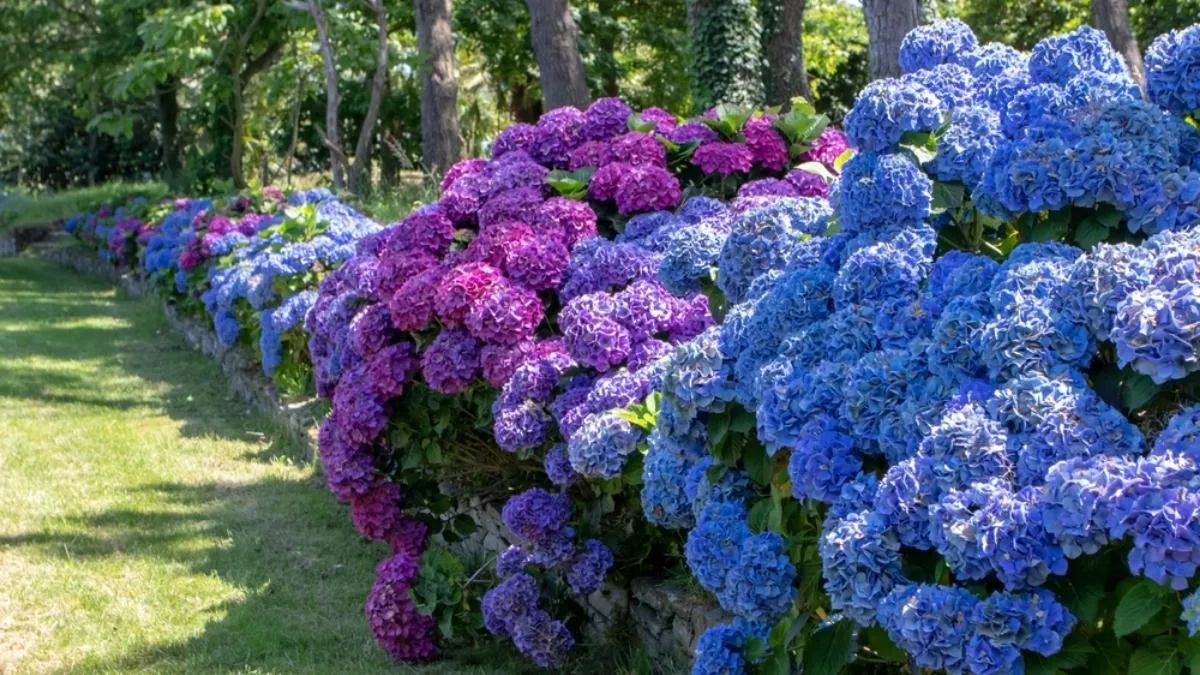
Hydrangeas are among the most loved ornamental plants in gardens across the world, admired for their large, globe-shaped blooms and their fascinating ability to change colour. A single hydrangea plant can display pink, blue, purple, or lavender flowers—sometimes even multiple shades at once. This colour-shifting behaviour often surprises gardeners and raises an obvious question: What are the Reasons Behind the Changing Colour of the Hydrangea Flowers?
The answer lies in a remarkable mix of soil chemistry, plant biology, and metal ions. Hydrangeas are not just for decorating purpose, rather than, they are living indicators of the nature of Soil surface. In this article, we will explore the reasons Behind the Changing Colour of the Hydrangea Flowers.
Source: Shutterstock
Hydrangea Blooms Are Not True Flowers
One surprising fact about hydrangeas is that what we call a “flower” is not a true flower at all.
-
The sepals are the colourful parts, which are modified leaves in Hydrangea.
-
The actual fertile flowers are tiny and sit quietly in the centre of the bloom.
-
The changes we see in the colour of Hydrangea flower due to its sepal only.
Because, the sepals just behave differently from other typical petals, they interacts with other and unique chemical by the plants.
Also Read: List of 7 Most Beautiful Flowers in the World
How many shaded of Hydrangea Flower have?
Hydrangea blooms can appear in many shades, including:
-
Pink
-
Red
-
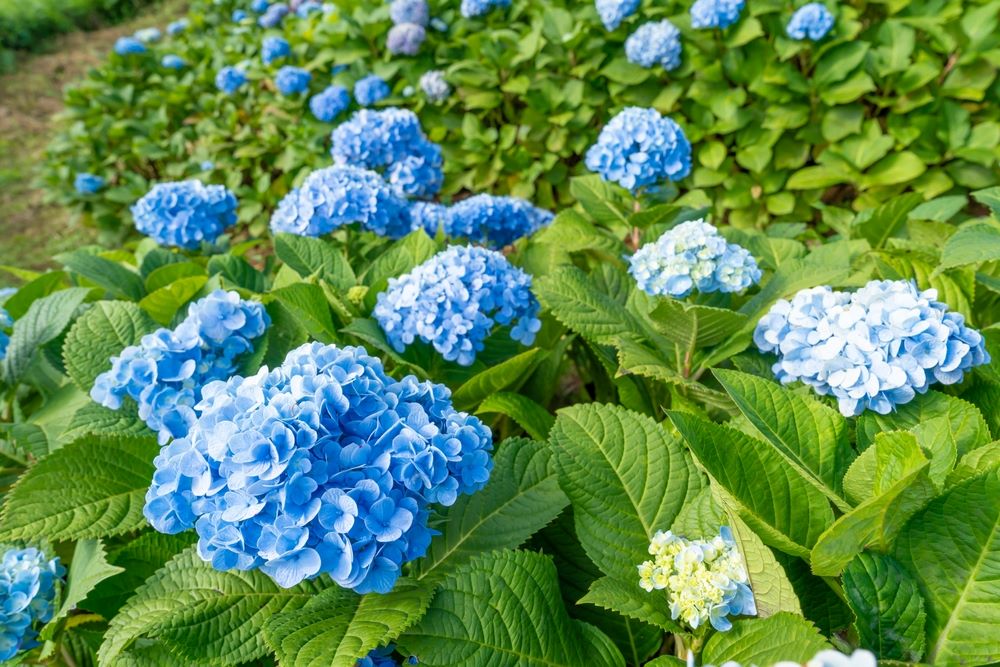
Blue
-
Lavender
-
Purple
-
Violet
-
Green and white
However, only yellow and orange colour are naturally absent in most varieties of Hydrangea flower because these plants lack the pigment to produce these colours naturally.

Source: Shutterstock
What are the Reasons Behind the Changing Colour of the Hydrangea Flowers?
The reasons Behind the Changing Colour of the Hydrangea Flowers is due to the Soil pH. Many of you all must be familiar with the idea that soil pH affects hydrangea colour, but pH is only part of the story.
-
Acidic soil (low pH) → Blue flowers
-
Neutral to alkaline soil (higher pH) → Pink or red flowers
Hydrangeas act like natural pH indicators, similar to litmus paper, but with an important twist: their colour response is reversed compared to litmus.
Due you know, which chemical is behind the changing the colour of Hydrangea Flowers?
The true chemical behind the hydrangea colour change is aluminium (Al³⁺).
Why Aluminum Matters?
-
In acidic soil, aluminium becomes soluble and mobile.
-
The plant absorbs aluminium through its roots and transports it to the sepals.
-
Aluminium interacts with the flower pigment and stabilises the blue colour.
In contrast:
-
In neutral or alkaline soil, aluminium binds with hydroxide ions and becomes unavailable.
-
Without aluminium, the flowers remain pink or red.
Simple Rule to Remember
Blue hydrangeas need both acidic soil and available aluminium.
Common Gardening Practices Explained
Many traditional gardening tips actually work because they influence aluminium availability:
-
Adding aluminium sulfate → increases acidity and aluminium → blue blooms
-
Adding lime (calcium hydroxide) → raises pH → pink or red blooms
-
Mulching with pine needles, coffee grounds, or citrus peels → slowly acidifies soil
These changes do not happen overnight. Colour shifts often take one or two growing seasons.
Source: architecturaldigest
One Pigment, Many Colours
Unlike roses or tulips, hydrangeas rely on a single pigment called delphinidin-3-glucoside, part of the anthocyanin family.
-
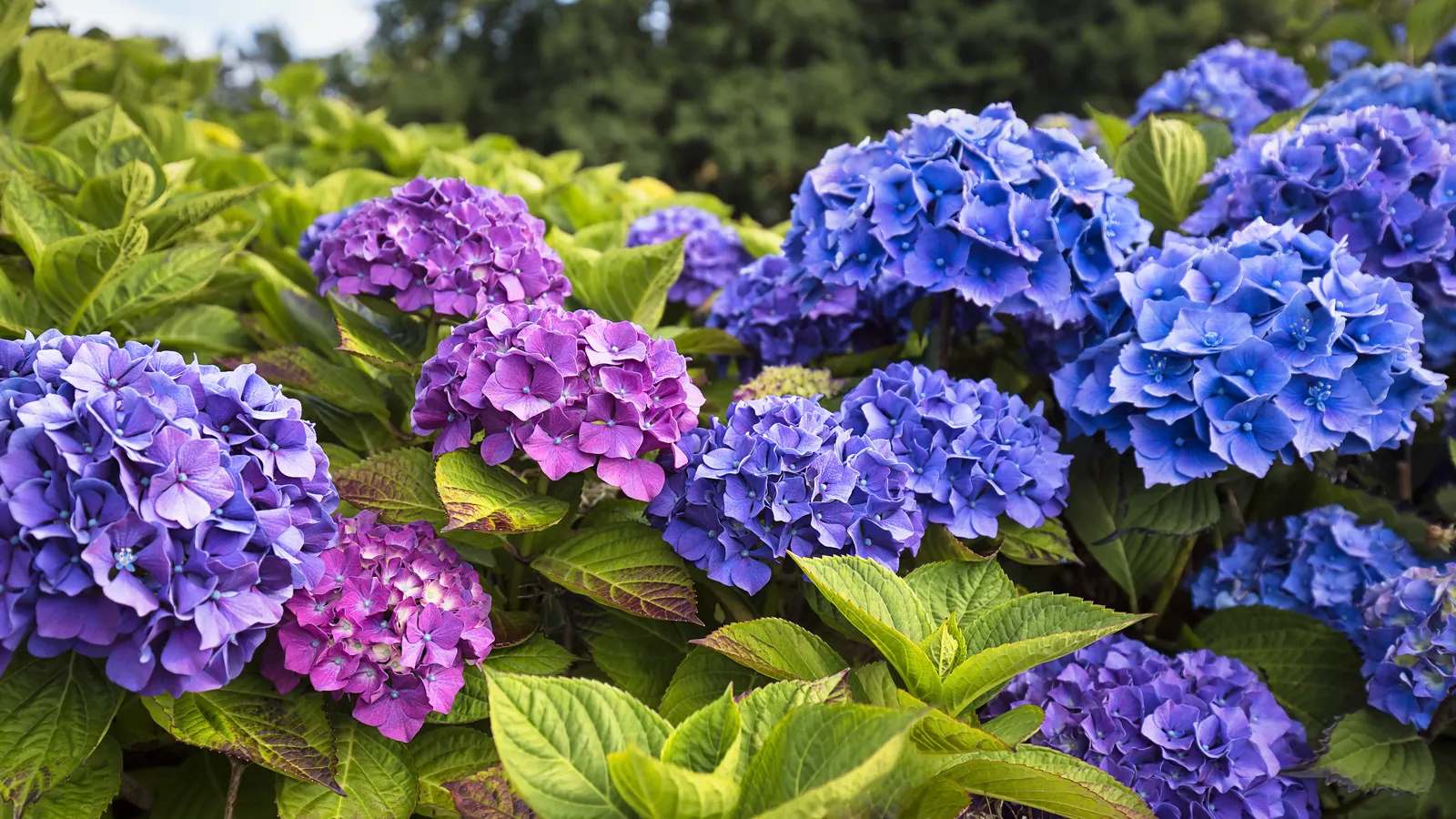
This pigment can appear red, purple, or blue depending on its chemical environment.
-
The internal cell pH of the plant remains mostly constant.
-
Aluminium ions bind with the pigment and stabilise its blue molecular form.
This is why soil pH alone does not directly change the pigment—it controls whether aluminium can reach the sepals.
Aluminium Levels and Bloom Colour
| Aluminum in Sepals | Resulting Colour |
| Almost none | Pink / Red |
| Low to moderate | Lavender / Purple |
| ~40 µg per gram | Blue |
| Above threshold | No extra bluing |
Once the threshold is reached, adding more aluminium does not make the flowers bluer.
How Aluminum Travels Inside the Hydrangea Flowers?
Hydrangeas use a different transport system:
-
Roots release citric acid into acidic soil.
-
Aluminium binds with citrate to form a stable, non-toxic complex.
-
This complex travels through the plant to the leaves and sepals.
Interestingly, leaves contain aluminium too—but only sepals have the pigment needed to show colour change.
Can Hydrangea Colour Change Without Soil Treatment?
Yes. Scientists have shown that:
-
Spraying aluminium solutions directly onto sepals can turn them blue within days.
-
Reversing blue back to red is much harder because aluminium pigment complexes are very stable.
This proves that aluminium presence in the sepals—not soil pH alone—is the decisive factor.
Beyond Blue and Pink: Future Colour Possibilities
Researchers are exploring new ways to create unusual hydrangea colours:
-
Yellow hues using molybdate compounds
-
Red–blue patterns through controlled aluminium diffusion
-
Night-glowing or fluorescent blooms using natural pigments from other plants
While many of these experiments are still in progress, they show that hydrangeas hold enormous potential for future ornamental breeding.
Conclusion
The changing colour of hydrangea flowers is a beautiful example of nature guided by chemistry. While soil pH sets the stage, aluminium ions are the true artists, shaping shades from pink to deep blue through precise molecular interactions. With just one pigment and a delicate balance of soil conditions, hydrangeas transform gardens into living chemistry experiments—proving that science can be as beautiful as it is complex.

-1767073462439.jpg "What is Good Governance Day? Know the top-performing states in the Good Governance Index")


![Largest Economies in the World [Updated December 2025]](https://img.jagranjosh.com/images/2025/07/09/article/image/world's-largest-economies-1752059293045.jpg)

Comments
All Comments (0)
Join the conversation