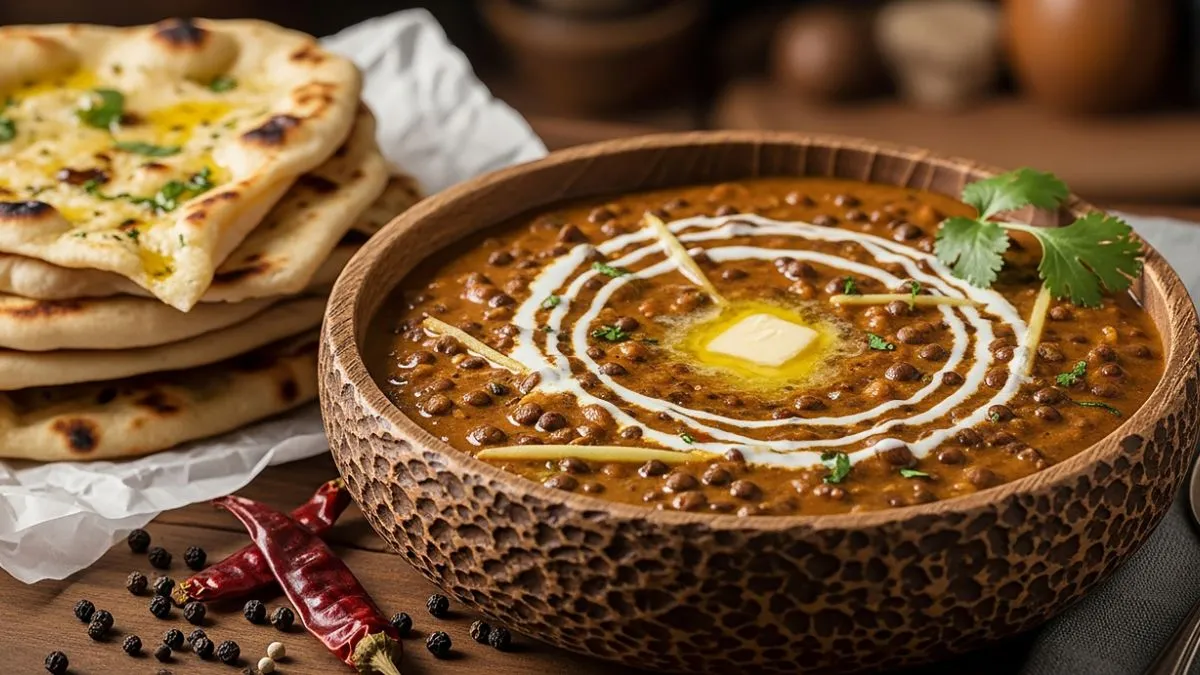
Queen of Pulses: Chickpea (Gram / Chana) is known as the Queen of Pulses because of its high nutritional value, wide cultivation, strong demand, soil-enriching ability, and major role in Indian food security.
Why Is Chickpea Called the Queen of Pulses?
Chickpea holds this title due to its dominant position among pulse crops. It is rich in protein, consumed daily by millions, and grown across diverse agro-climatic regions. Its importance in vegetarian diets and sustainable agriculture makes it the most valuable pulse crop.
Widely Cultivated Pulse Crop
Chickpea is cultivated in India, Australia, Pakistan, Turkey, Ethiopia and parts of Africa. In India, it is mainly grown during the rabi season and forms a major share of winter pulse cultivation.
Nutritional Value of Chickpea
Chickpea is a rich source of plant-based protein, dietary fibre, iron, calcium, magnesium, phosphorus, and B-complex vitamins. It supports muscle development, digestion, and energy needs, especially in vegetarian populations.
Major Role in Indian Cuisine
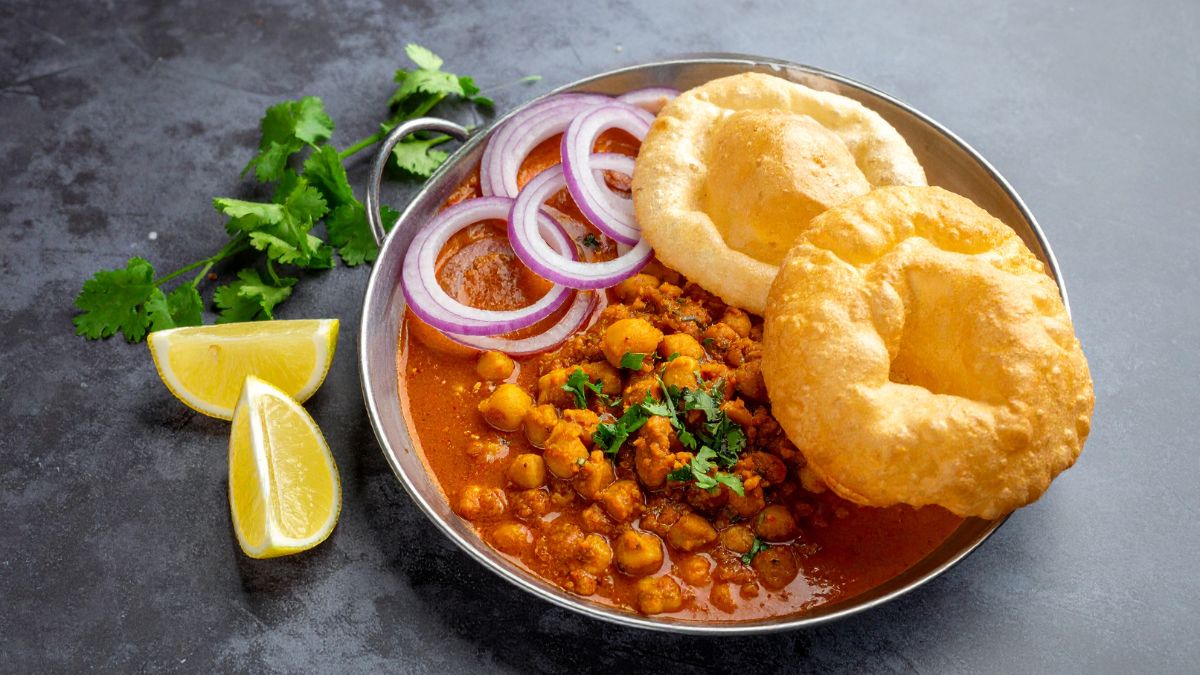
Chickpea is widely used in Indian cooking in multiple forms such as whole chana, split dal, besan (gram flour), and snacks. Popular foods like chole, chana masala, pakoras, laddoos, and sweets depend heavily on chickpea.
Largest Producer of Chickpea in the World
India is the largest producer of chickpea globally, contributing the highest share of world production. Large cultivation areas, improved seed varieties, and strong domestic demand help maintain this position.
Largest Producer of Chickpea in India
Madhya Pradesh is the largest producer of chickpea in India, followed by Maharashtra, Rajasthan, Uttar Pradesh, and Karnataka. The crop is well suited to the dry and semi-arid regions of these states.
One of the Oldest Cultivated Pulse Crops
Chickpea is among the oldest cultivated pulse crops, with cultivation history dating back thousands of years. Ancient civilisations valued it for its nutrition, easy storage, and ability to improve soil fertility.
Interesting Facts About Chickpea
Largest Pulse Crop in India
Chickpea occupies the largest cultivated area among all pulse crops in India. It contributes a major share to total pulse production and plays a crucial role in ensuring protein availability.
High Protein Content
Chickpea contains high-quality plant protein, making it essential for vegetarian and vegan diets. Regular consumption helps meet daily protein requirements and supports balanced nutrition.
Improves Soil Fertility Naturally
Chickpea fixes atmospheric nitrogen through root nodules. This improves soil health, reduces fertiliser needs, and increases productivity of subsequent crops.
Long Storage Life
Chickpea grains have a long shelf life and can be stored for months without spoilage. This makes them ideal for household storage and government food reserves.
Multiple Food and Industrial Uses
Chickpea is used in fresh, dried, split, and flour forms. It is also used in food processing, snack industries, and traditional sweets, increasing its overall economic value.
Read more: Which Fruit Is Called the King of Fruits?
Chickpea is called the Queen of Pulses because of its high nutritional value, wide cultivation, soil-enriching properties, strong market demand, and central role in Indian diets. Keep reading for more such topics.




-1766509276000.jpg)
Comments
All Comments (0)
Join the conversation