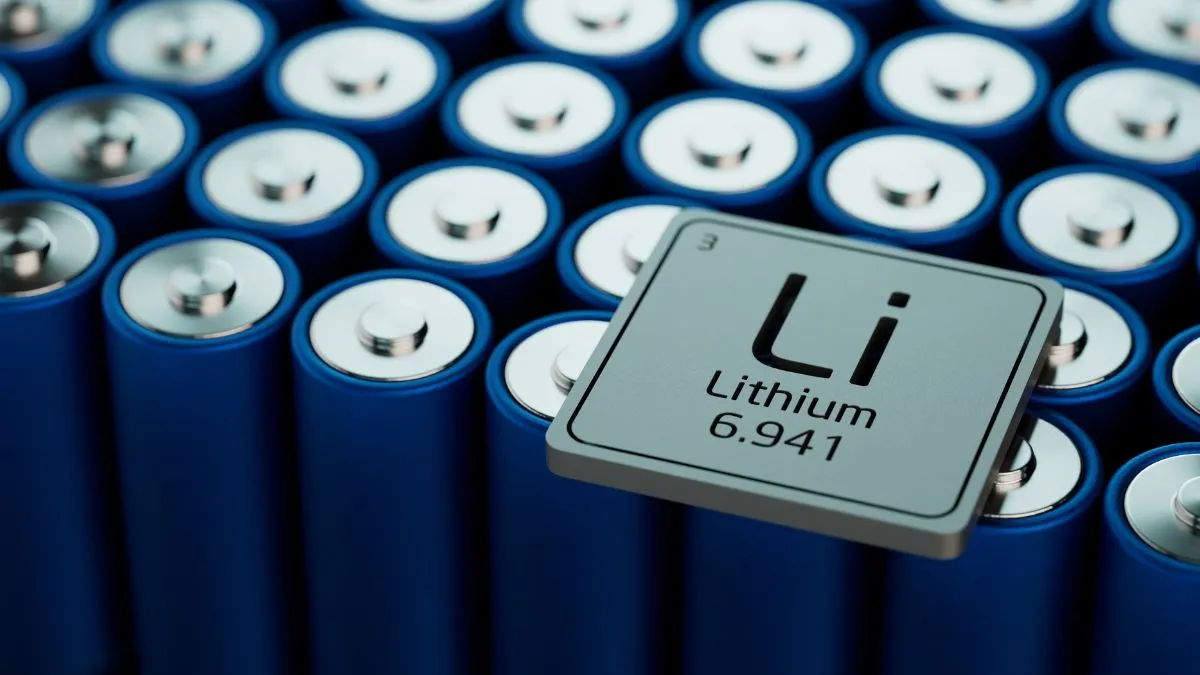
Metal of the Future: Lithium is known as the Metal of the Future because it is essential for rechargeable batteries, electric vehicles, renewable energy storage, and advanced technologies. Its role in the global shift toward clean energy, digitalisation, and sustainable development makes lithium one of the most strategically important metals of the modern era.
Why Lithium Is Called the Metal of the Future
Lithium earns this title due to its ability to power future-focused technologies. It is lightweight, highly energy-dense, and efficient, which makes it ideal for storing and releasing energy. As countries aim to reduce carbon emissions and move away from fossil fuels, lithium-based solutions are becoming the backbone of next-generation energy systems.
Importance of Lithium in Modern Technology
Lithium is a key component of lithium-ion batteries, which are widely used in smartphones, laptops, tablets, cameras, and wearable devices. These batteries offer longer life, faster charging, and higher efficiency compared to older battery technologies. As digital devices continue to grow in number, lithium’s importance in everyday technology keeps increasing.
Role of Lithium in Electric Vehicles
Electric vehicles depend heavily on lithium-ion batteries for energy storage and performance. Lithium helps increase driving range, reduce vehicle weight, and improve charging efficiency. With governments worldwide promoting electric mobility, lithium has become the foundation of the future automotive industry.
Importance of Lithium in Renewable Energy
Lithium plays a crucial role in renewable energy systems by enabling efficient energy storage. Solar and wind power are intermittent sources, and lithium batteries help store excess energy for later use. This makes lithium essential for creating stable, reliable, and sustainable power grids worldwide.
Largest Producer of Lithium in the World
Australia is the largest producer of lithium in the world, mainly extracting lithium from hard-rock mineral sources. Its well-developed mining infrastructure and strong global trade links make Australia a key supplier in the international lithium market.
Countries with Major Lithium Reserves
Chile holds the largest lithium reserves globally, mainly in salt flats called salars. Other countries with significant reserves include Argentina, Bolivia, China, and Australia, forming the world’s major lithium belt and ensuring long-term supply for future demand.
Lithium Production and Future in India
India is taking steps to explore and develop lithium resources to support its electric vehicle and renewable energy goals. Strategic partnerships, overseas mining investments, and domestic exploration projects aim to reduce import dependence and strengthen India’s clean-energy ecosystem.
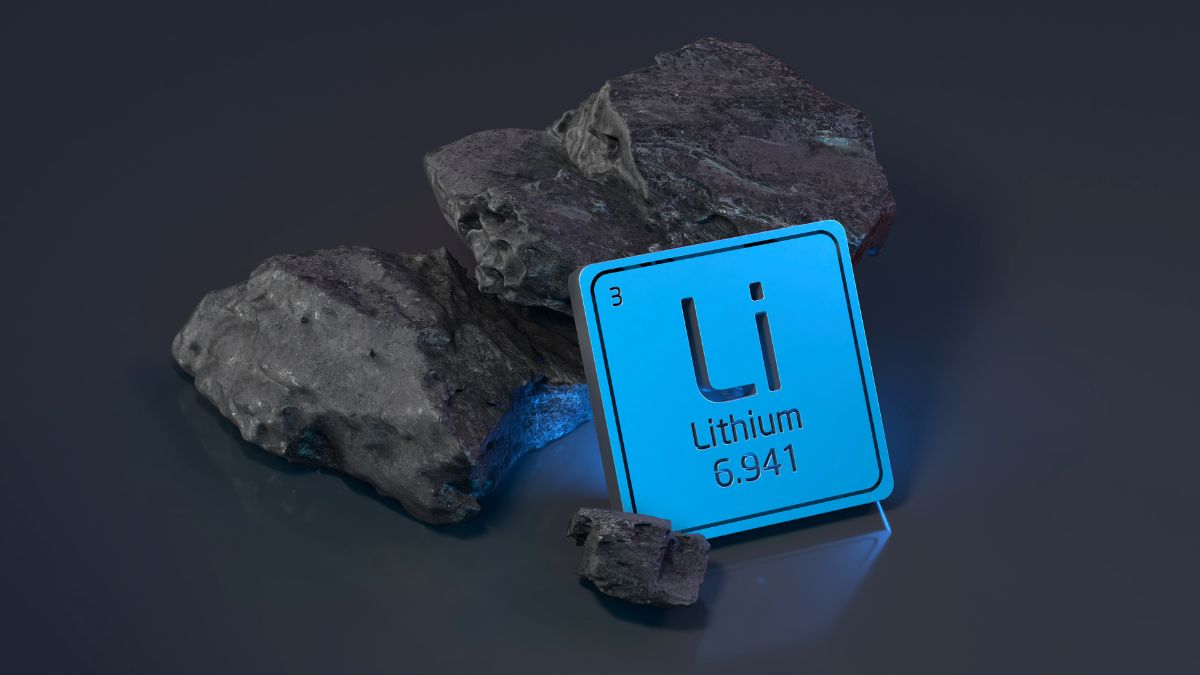
Interesting Facts About Lithium
Lightest Solid Metal
Lithium is the lightest solid metal, which makes it ideal for applications where weight reduction is important, such as batteries, aerospace, and electric vehicles.
High Energy Storage Efficiency
Lithium batteries can store large amounts of energy in a compact form, allowing devices and vehicles to operate longer on a single charge.
Used Beyond Batteries
Lithium is also used in medicine, ceramics, glass production, lubricants, aerospace alloys, and nuclear technology, showing its wide industrial applications.
Rapidly Growing Global Demand
The demand for lithium is increasing rapidly due to growth in electric vehicles, renewable energy storage, and consumer electronics worldwide.
Read more: Which Spice Is Known as the Queen of Spices?
Lithium is known as the Metal of the Future. Lithium is considered a cornerstone of the global clean energy transition, helping reduce dependence on fossil fuels and lower carbon emissions. Keep reading for more topics like this.




-1766079046715.jpg)

Comments
All Comments (0)
Join the conversation