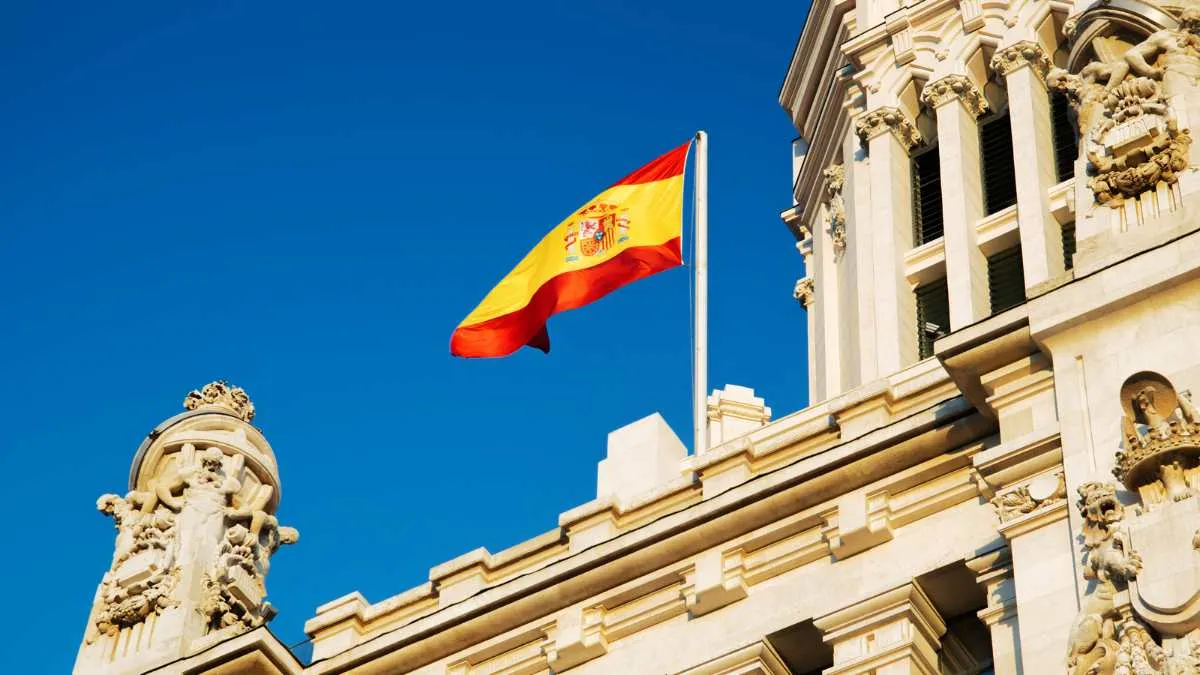
The stories of Spain's Queens illuminate the incredible power these remarkable women wielded during a time when their sex kept them at odds with power, which had been so aggressively challenged by those around them. There are many examples in Spanish History of Queens who created legacies that remain today for thousands of years into the future.
In many cases Queen, both Medieval and Modern, had a high degree of authority over the affairs of their kingdom and took an active role in expeditions to explore new territory, creating educational and health care opportunities for all people in their kingdoms.
Spanish Queens were strategic thinkers; they demonstrated courage, intelligence and leadership qualities, both in their own domains, and as leaders of countries during the turbulent times throughout the history of female-led crown nations, against all odds, both domestically and internationally.
Check Out: First Queen of Spain: Everything You Need to Know About Princess Leonor
Top 7 Most Famous Queens of Spain
Here are the top 7 Most Famous Queens of Spain along with how long they have ruled:
| Rank | Name | Time/Lifetime |
| 1 | Isabella I of Castile | 1451-1504 |
| 2 | Juana I of Castile | 1479 -1555 |
| 3 | Maria Luisa of Parma | 1751-1819 |
| 4 | Isabella II of Spain | 1830-1904 |
| 5 | Maria Christina of Austria | 1858-1929 |
| 6 | Victoria Eugenie of Battenberg | 1887-1969 |
| 7 | Letizia Ortiz Rocasolano | 1972-2026 |
1. Isabella I
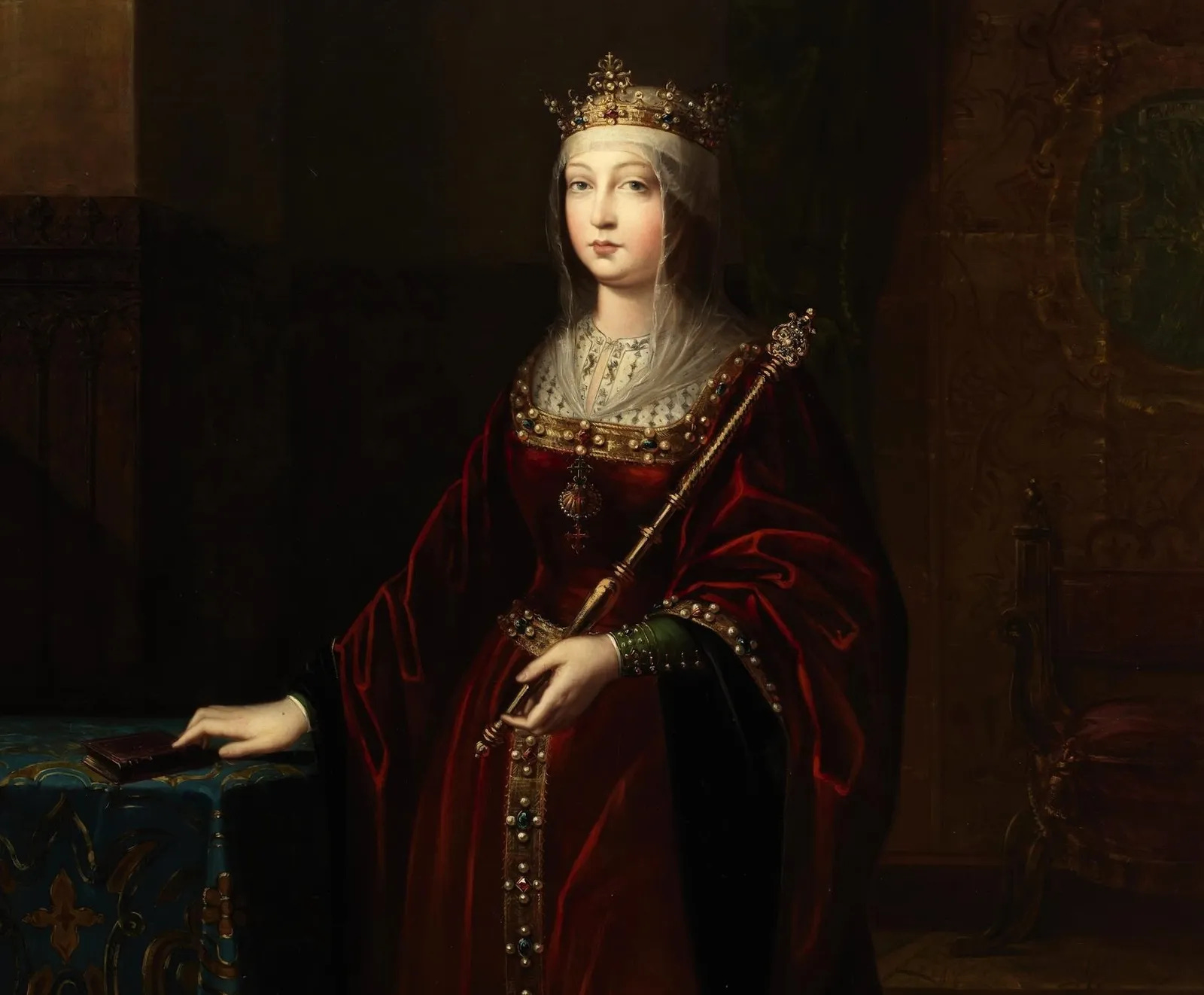
Isabella I, known as Isabella the Witch, was Queen of Castile from 1451 until October 1504. She married Ferdinand II of Aragon, who united the kingdoms of Castile and Aragon. In addition to sponsoring Christopher Columbus' voyage in 1492,
Isabella expanded Spain's overseas empire, strengthened the Spanish monarchy and government, and established Catholicism as the state religion. Isabella's legacy is one of great influence on the development of Spain and its place in world history.
2. Juana I
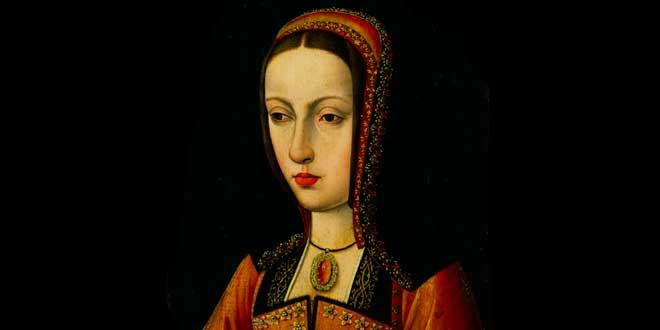
Juana I, known as "Isabe“Juana la Loca,” lla I's daughter, and despite her short-lived reign (1479-1555) and mental health issues, she is remembered for her marriage to Philip I of Burgundy, which connected her to the Habsburg dynasty.
Juana's life is seen as a catalyst for events that shaped European and Spanish politics, creating a significant figure in European and Spanish history.
3. Maria Luisa
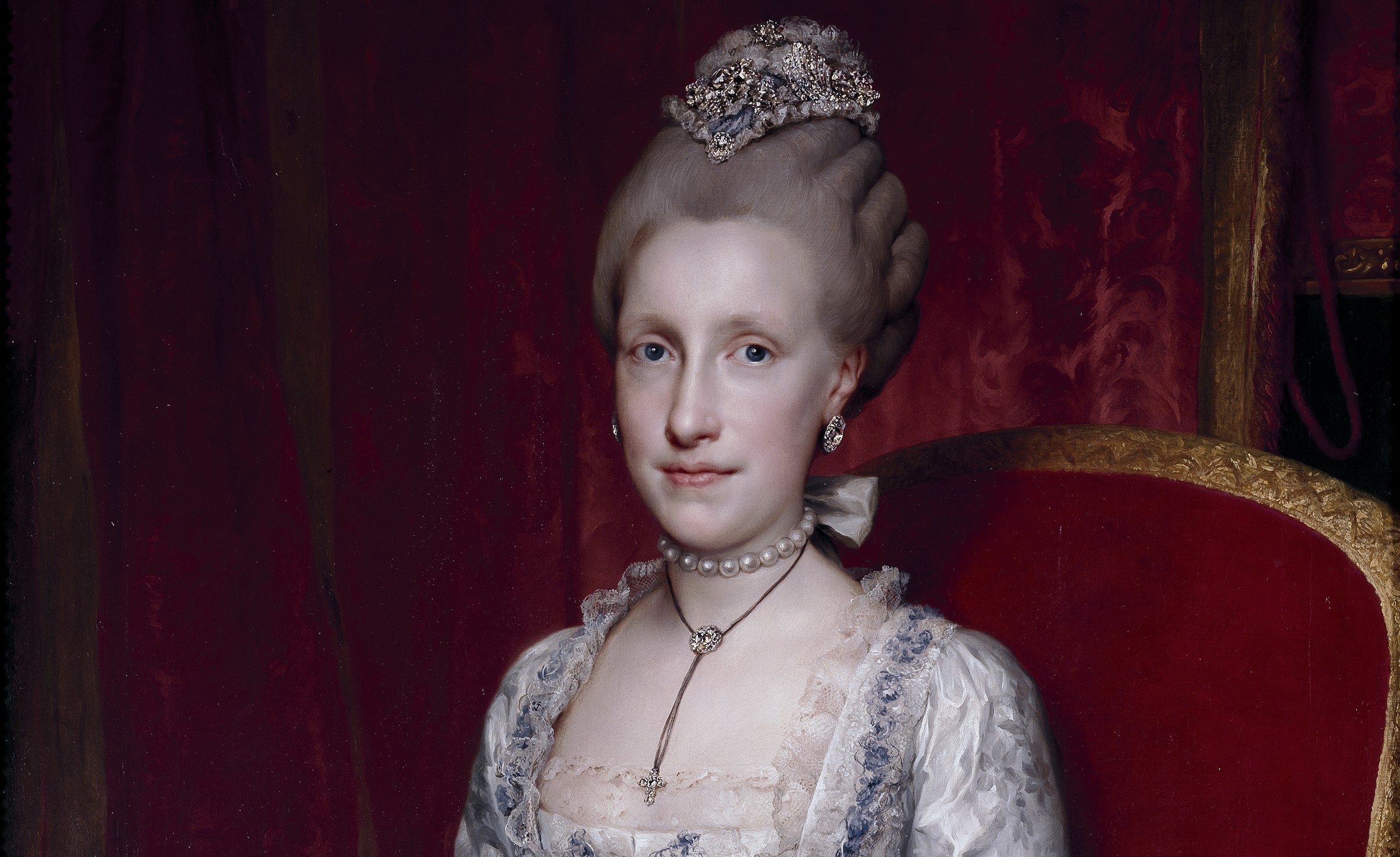
Maria Luisa was Queen Consort to Charles IV, and she had considerable political influence at court. Maria Luisa served as Queen during the Napoleonic Wars, and she played an important role in maintaining relations between Spain and France.
In spite of several controversies during a period of great social turmoil and difficulty for Spain, Maria Luisa greatly influenced the governance and decision-making process of the Spanish monarchy.
4. Isabella II of Spain
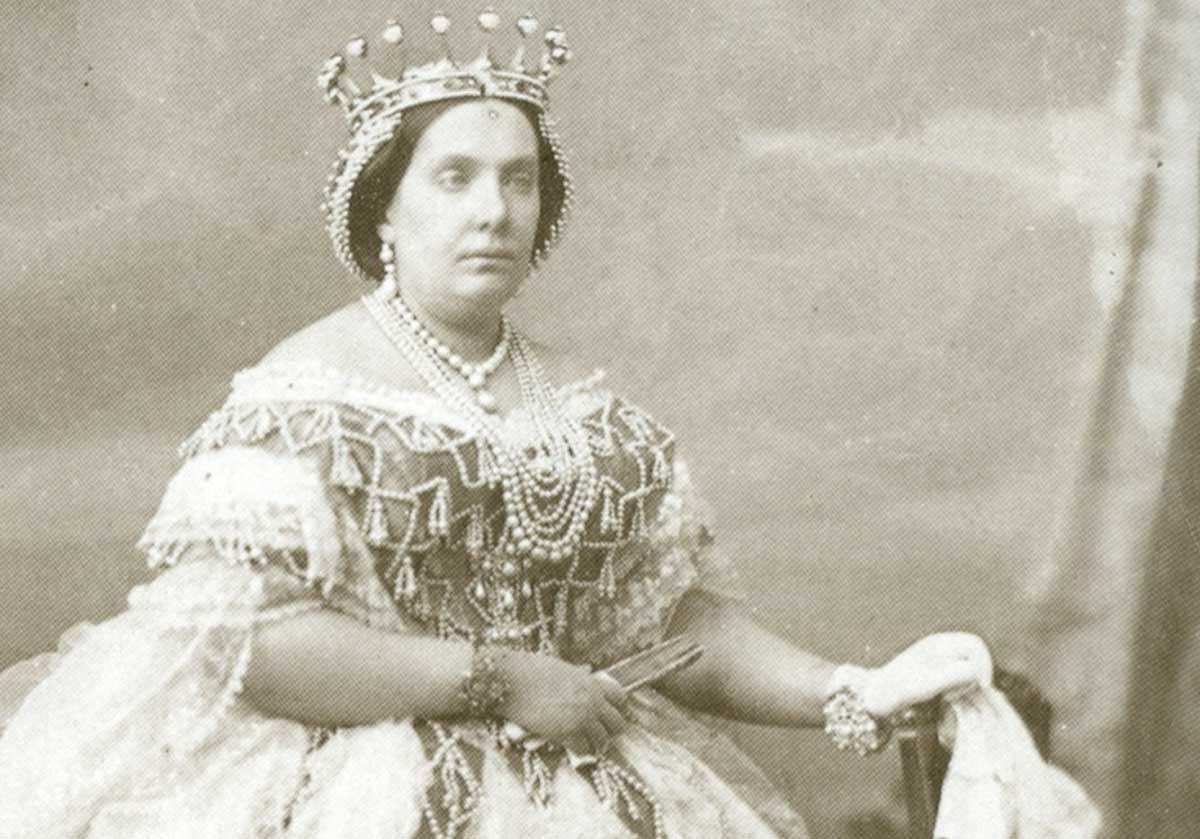
Although Isabella II became queen at the young age of a three year old and ruled over a period of revolt, instability, and coup attempts, she worked to modernise the institutions of Spain, promote culture, and establish a constitutional monarchy for the country.
The reign of Isabella II demonstrates the challenges faced by female Monarchs ruling in a predominantly male world.
5. Maria Christina of Austria

Maria Christina of Austria was queen consort to Alfonso XII and regent for Alfonso XIII. Maria Christina was an effective leader during times of political strife. She helped to maintain stability in Spain through the support of a number of modernisation efforts.
Through her considerable experience as a diplomat, she was instrumental in stabilising the monarchy and developing Spain's governance and foreign relations.

-1768388817028.jpg "When is the Union Budget 2026? Know the Date, Time and Other Key Details")


-1768398283970.jpg)

Comments
All Comments (0)
Join the conversation