Key Points
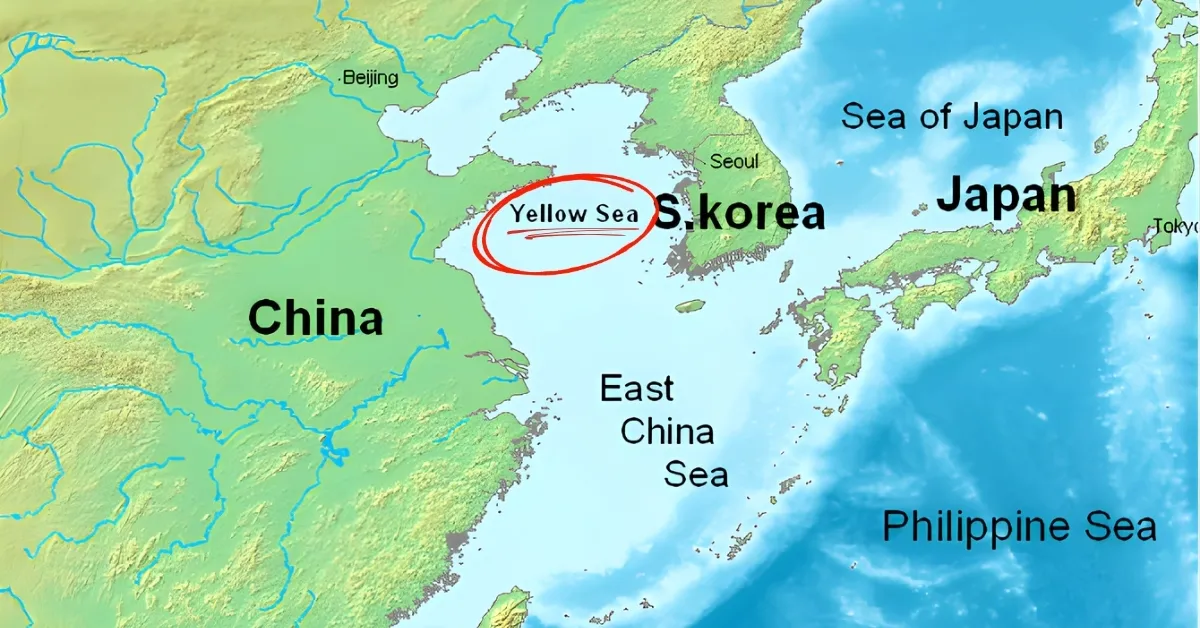
- The Yellow Sea is located between China and the Korean Peninsula.
- Its yellow color comes from silt from rivers and dust from the Gobi Desert.
- China, North Korea, and South Korea border the Yellow Sea.
About 71% of the Earth is made up of water. These can include oceans, seas, lakes, ponds, rivers, and streams. Now, imagine which water source has the most water in it. The answer is simple: the Ocean. It contains roughly 96.5% of the world's saltwater.
This means only about 3.5% of Earth's water is freshwater, and most of that, around 68%, is frozen in ice caps and glaciers.
From ancient times, these water bodies, especially the seas, have played an important role in trade, serving as massive highways that connect different cultures and civilisations. Each sea is unique, and many have interesting nicknames. However, some names are more mysterious.
Have you ever wondered why the Yellow Sea has that specific colour? We won't share the secret just yet. In this article, we will look at the history and science behind the well-known Yellow Sea.
ALSO READ| Why the Black Sea is Called the Black Sea?
Where Is The Yellow Sea Located?
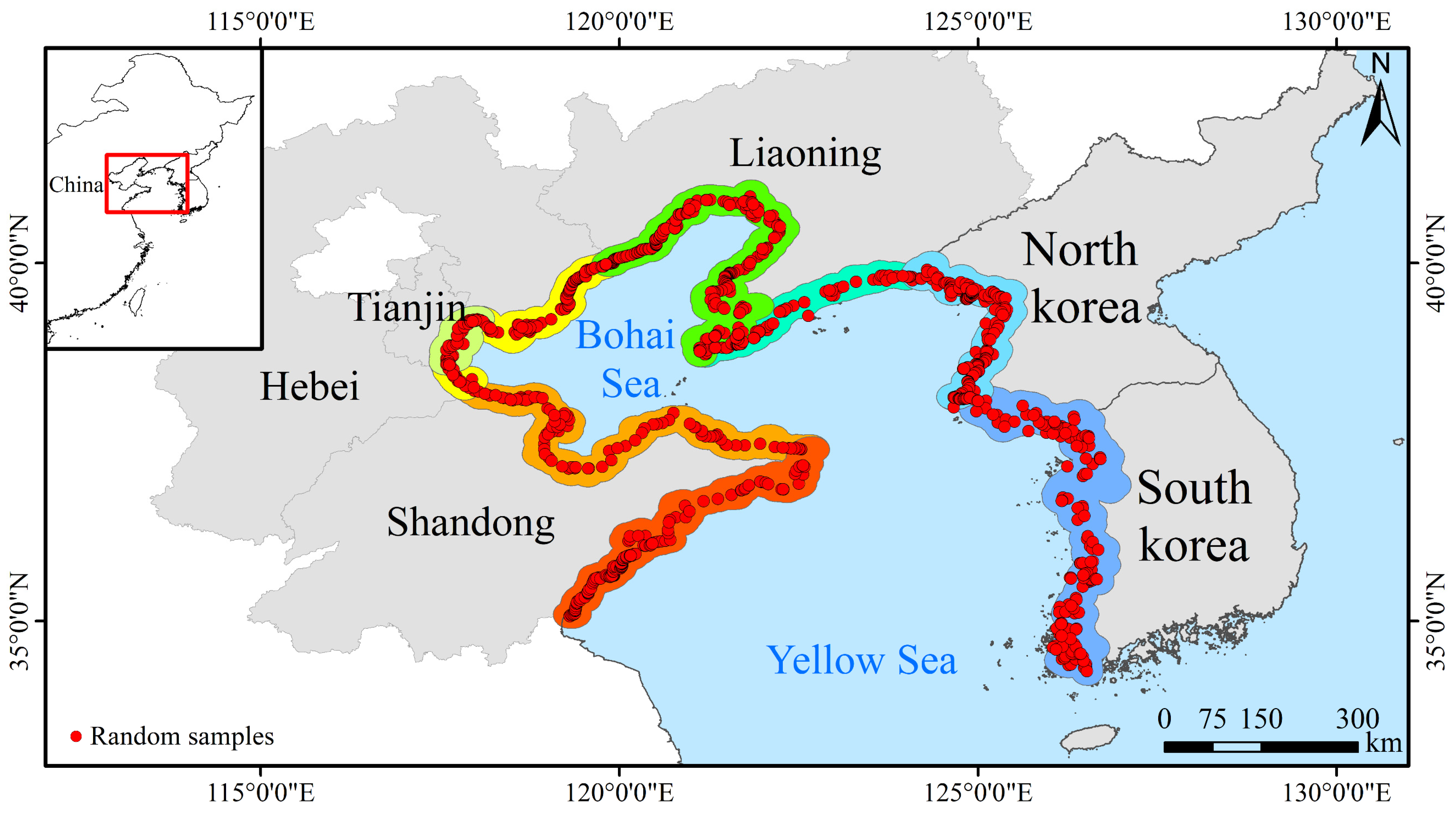
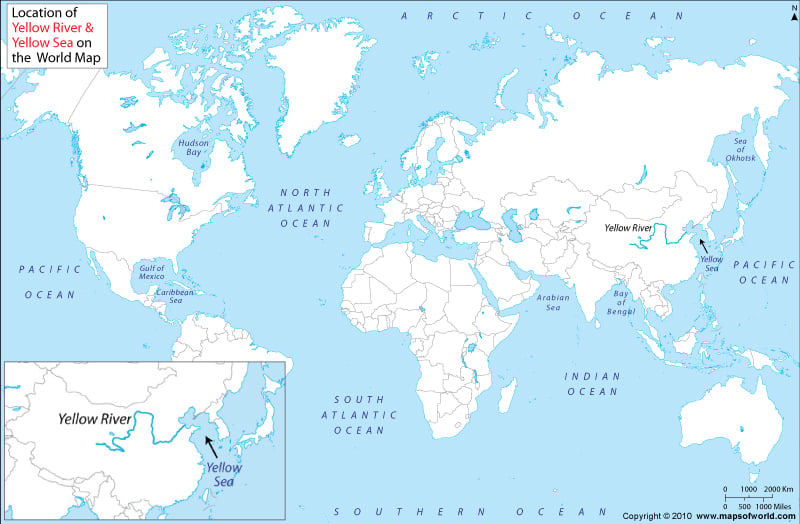
The Yellow Sea is a shallow part of the western Pacific Ocean. It lies between mainland China to the west and the Korean Peninsula to the east. Three countries surround this sea: China, North Korea, and South Korea.
Ancient sailors named it for the golden-yellow colour of its water. This unique shade comes from large amounts of silt and sand brought in by the Yellow River and dust storms from the Gobi Desert.
Geologically, it formed after the last Ice Age when rising sea levels flooded a large part of the continental shelf. It is still one of the shallowest seas in the world, with an average depth of just 44 metres. This makes it a rich habitat for marine life.
10+ Lesser-Known Facts About the Yellow Sea

- While we call it the Yellow Sea, people in South Korea call it the "West Sea".
- It is slowly becoming shallower every year because rivers dump over 1.6 billion tons of sediment into it.
- In the winter, the northern parts of the sea can freeze completely, making it hard for ships to move.
- Once a year at Jindo Island, the tide drops so low that a "land bridge" appears in the water.
- This sea is famous for massive blooms of Nomura's jellyfish, which can grow as big as a human.

- It is one of the most important stops in the world for millions of migratory birds.
- During the Ice Age, this entire sea was actually a dry valley that people could walk across.
- The tides here are very strong, reaching up to 10 metres in some parts of the Korean coast.
- Beneath the sandy seafloor lie massive hidden reserves of oil and natural gas.
- More than 600 million people live in the areas surrounding this sea.
- The innermost part of the Yellow Sea is called the Bohai Sea, which is considered China's "inner sea".
IN CASE YOU MISSED| Why the Red Sea is Called the Red Sea?
Why is the Yellow Sea called the Yellow Sea?
The Yellow Sea gets its name from the unique golden-yellow colour of its water. You can see this colour more clearly in the northern areas of the sea, particularly close to the mouths of rivers.
For centuries, travellers and locals have been amazed at how the water changes from typical ocean blue to a murky yellow. This visual effect happens because millions of tonnes of fine silt and sand flow into the sea from major rivers.
It is one of the world's most unique water bodies because its appearance is constantly changing based on the weather and the amount of sediment washed down from the land.
The Scientific Secret: Why is it Yellow?
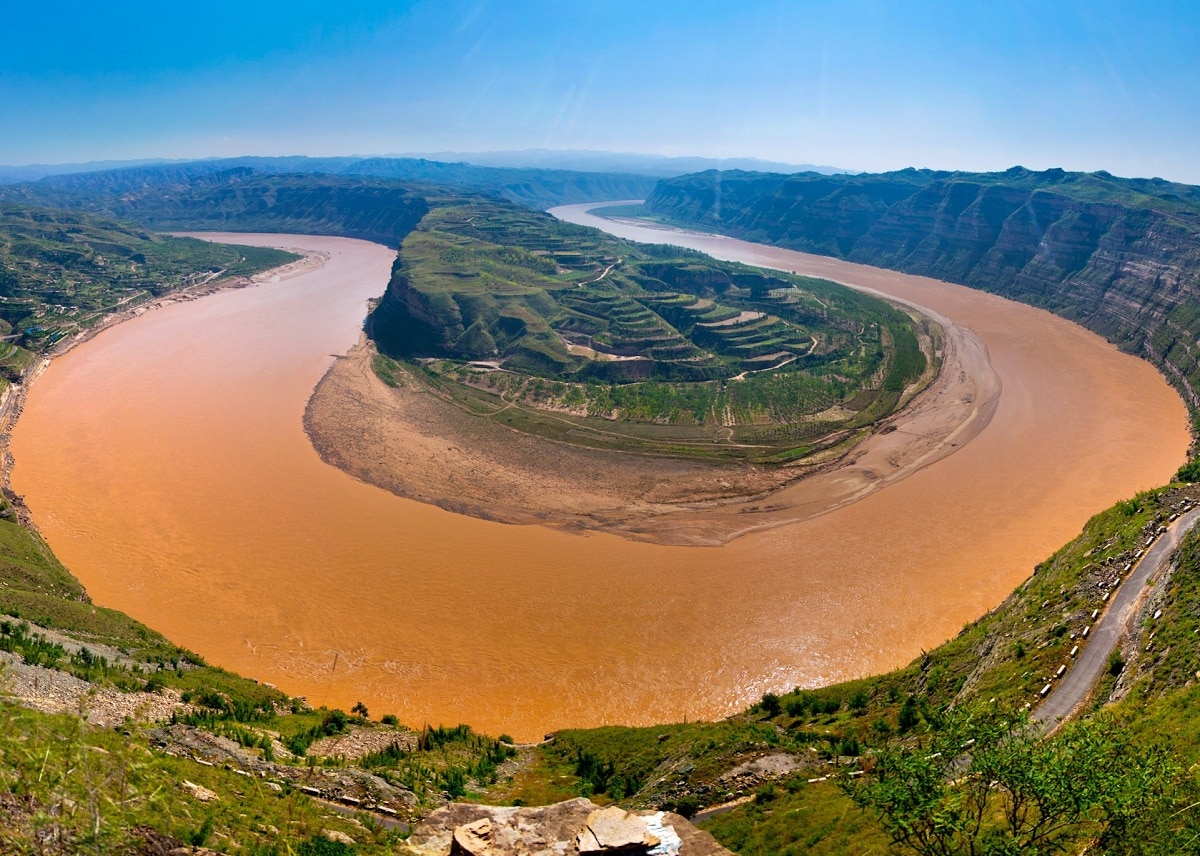
The Yellow Sea's colour is not just an illusion; it results from a mix of geological and environmental factors:
- The main contributor is the Yellow River (Huang He). As it flows through China's Loess Plateau, it collects large amounts of loess, a fine, yellowish-brown soil that erodes easily.
- Every year, rivers dump more than 1.6 billion tonnes of sediment into the sea. Since the Yellow Sea is quite shallow, averaging only 44 metres deep, this silt remains suspended in the water rather than sinking. This causes a permanent yellow tint.
- Giant dust storms from the Gobi Desert blow clouds of fine yellow sand across the sea. When this dust lands on the surface, it makes the golden colour even stronger.
- In world geography, the Yellow Sea is one of only four seas named after colours, the others being the Red, Black, and White seas.
- During the warm months, blooms of blue-green algae can mix with the silt. This sometimes changes the yellow hue to a brighter, lime-like shade.
List Of Countries Bordering The Yellow Sea
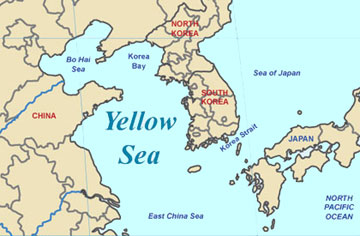
The Yellow Sea is a "semi-enclosed" sea, meaning it is mostly surrounded by land. Only three countries share its coastline:
- China borders the sea to the west and north. Provinces like Shandong and Liaoning are located there.
- North Korea borders the sea to the east, with cities like Nampo.
- South Korea also borders the sea to the east and south, including cities like Incheon and the island of Jeju.
These countries depend on the sea for international trade, as they have some of the world's busiest shipping ports, like Qingdao and Incheon.
WHAT'S NEXT| Which Country Is Called the Land of the Sea?




-1768398283970.jpg)
Comments
All Comments (0)
Join the conversation