Key Points
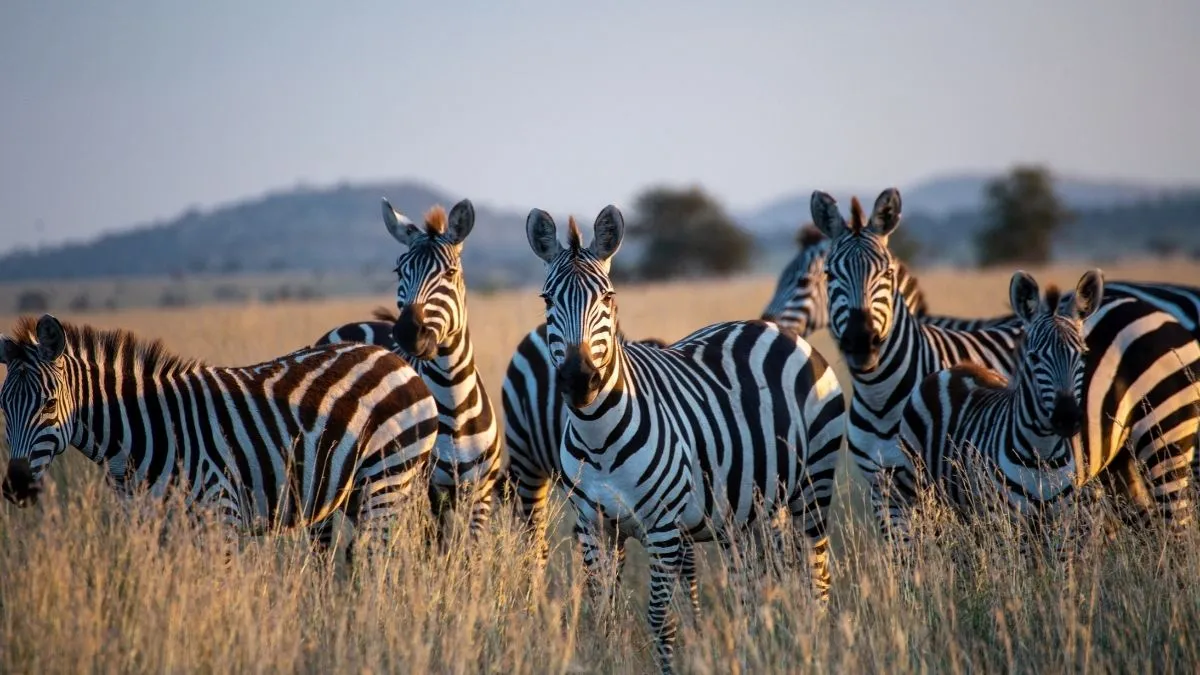
- Zebras have unique stripe patterns, acting as cooling and bug repellent.
- Zebrafish can regenerate heart tissue, crucial for medical research.
- Zorillas defend themselves with a foul spray stronger than a skunk's.
When asked to name an animal that starts with the letter Z, most people think of the black-and-white stripes of a zebra. There are, however, many more kinds of animals than just one. From the grasslands of South Asia to the rivers of the Himalayas, there are unique animal names that start with z, other than zebra. These creatures possess remarkable traits, such as the ability to regenerate a heart or defend themselves with a scent stronger than a skunk's.
Therefore, this list is all about five distinct species beginning with the letter Z, along with their habitats and unique evolutionary features. In a way, these animal names are proof that the last letter of the alphabet is far from least important.
List of Animals that Start with Z
The following table lists a few of the many animals whose name begins with a Z. Take note of how their traits differ from each other, before learning about them in detail:
| S.No. | Animal Name Starting with Z | Type | Primary Habitat | Unique Trait |
| 1 | Zebra | Mammal | African Savannas | Unique stripe patterns like fingerprints |
| 2 | Zebu | Mammal | South Asia / Africa | Fatty hump for heat regulation |
| 3 | Zorilla | Mammal | Sub-Saharan Africa | Foul spray stronger than a skunk |
| 4 | Zebrafish | Fish | Freshwater (South Asia) | Regenerates heart and fins |
| 5 | Zokor | Mammal | China / Siberia | Powerful digging claws |
Check Out: List of 5 Most Famous Animals that Migrate in Winter: Revealed
1. Zebra
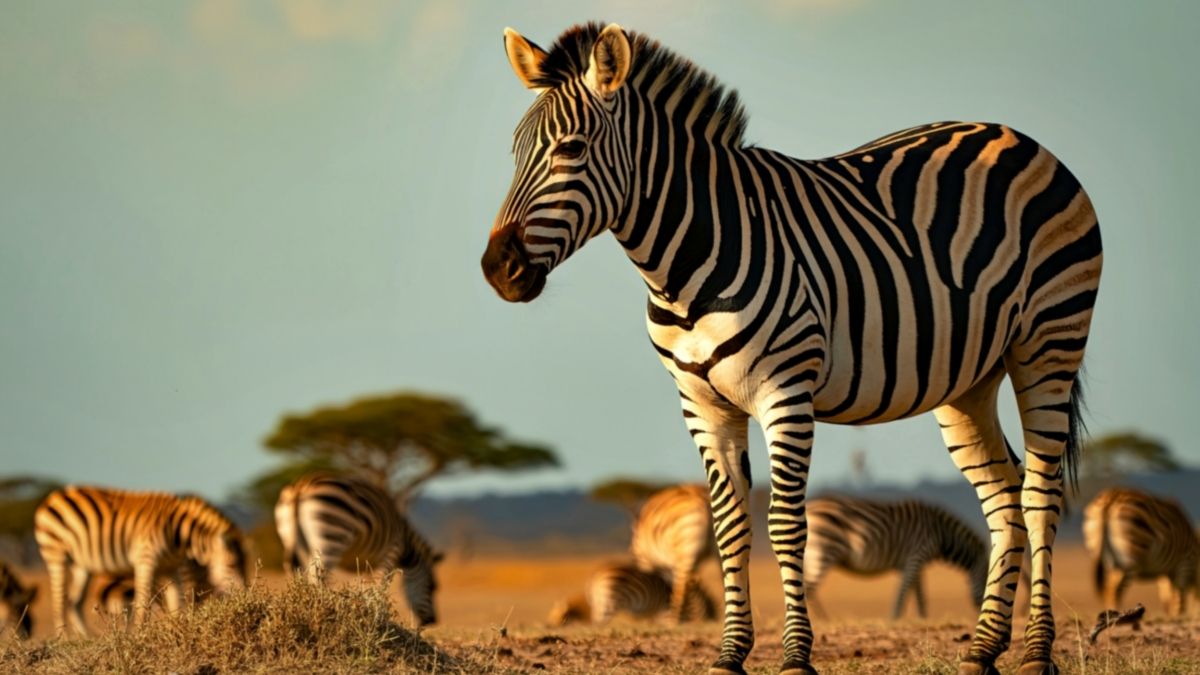
The Zebra is undoubtedly the most iconic animal that starts with Z. Native to Africa, these equids are famous for their black-and-white striped coats. A lesser-known fact is that these stripes act as a cooling mechanism and a bug repellent. Research suggests the pattern confuses horseflies, preventing them from landing. Furthermore, no two zebras have the same stripe pattern; they are as unique as human fingerprints.
2. Zebu
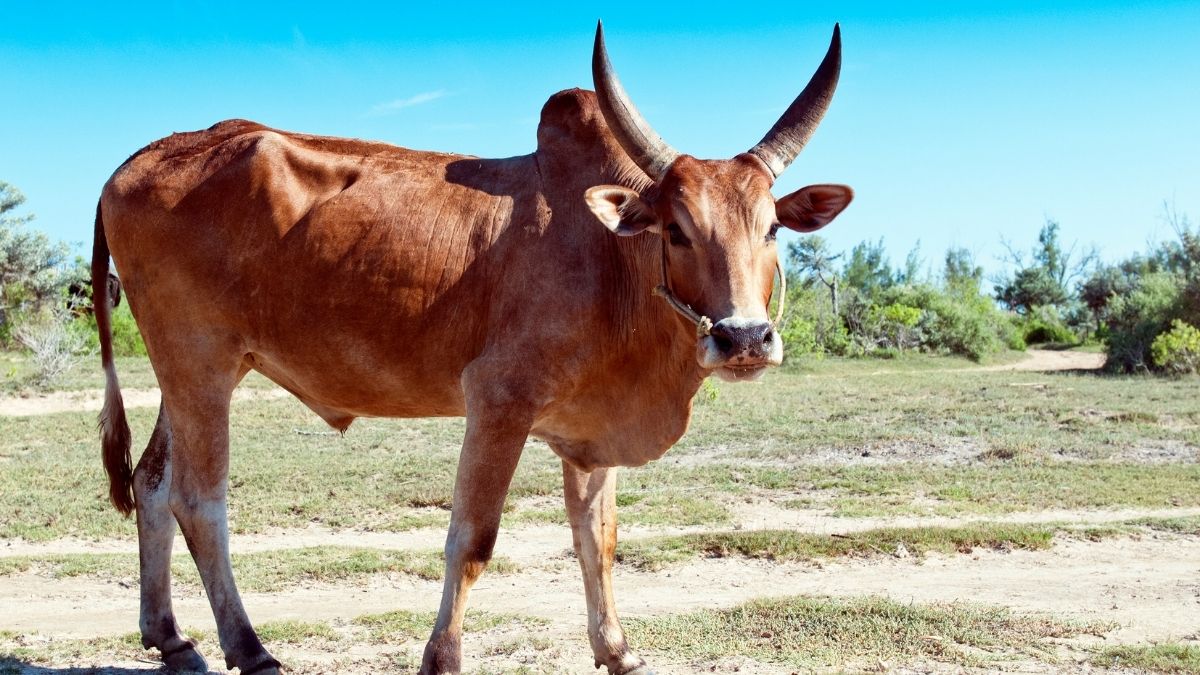
The Zebu (Bos indicus) is a species of cattle originating from the Indian subcontinent. Often called humped cattle, they are easily recognized by the fatty hump on their shoulders and their large dewlaps. This hump is not just for show; it stores fat that helps the animal survive during food shortages. Zebu are highly resilient to high temperatures, making them a vital livestock species in tropical climates worldwide.
3. Zorilla
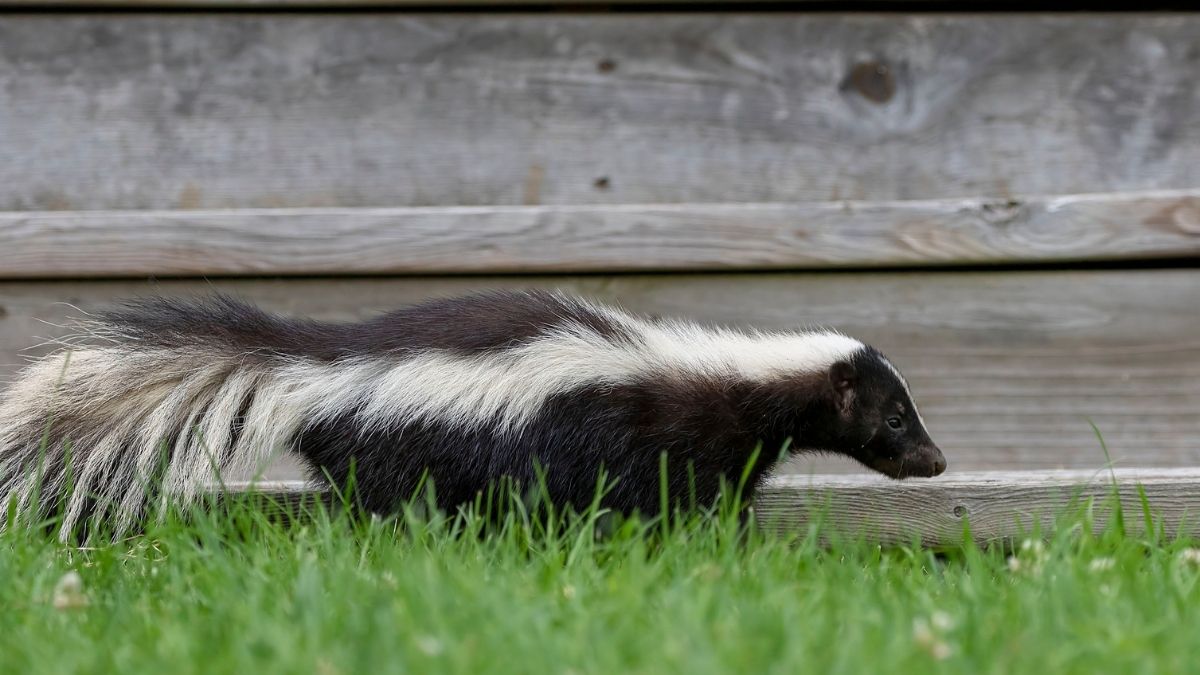
If you think skunks are smelly, meet the Zorilla. Also known as the Striped Polecat, this carnivorous mammal lives in the savannas of Africa. It looks a lot like a skunk, but it is actually a member of the weasel family. The Zorilla has a unique way of protecting itself: it can spray a smelly substance from its anal glands that is said to be stronger than a skunk's and can temporarily blind predators.
4. Zebrafish
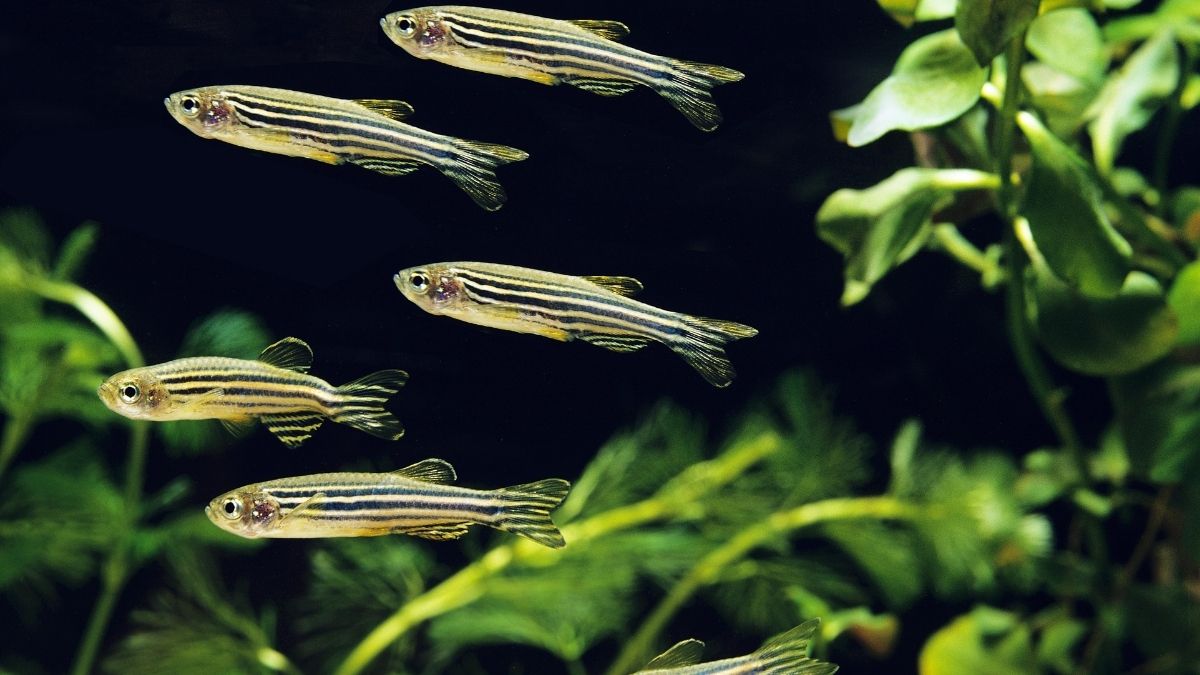
The Zebrafish is a small freshwater fish that has become a giant in the world of science. Native to South Asia, these fish are transparent during their embryonic stages, allowing scientists to watch their internal organs develop in real time. Most impressively, the Zebrafish has the superpower of regeneration. If part of their heart or spinal cord is damaged, they can regrow it, making them crucial for medical research into human tissue repair.
5. Zokor
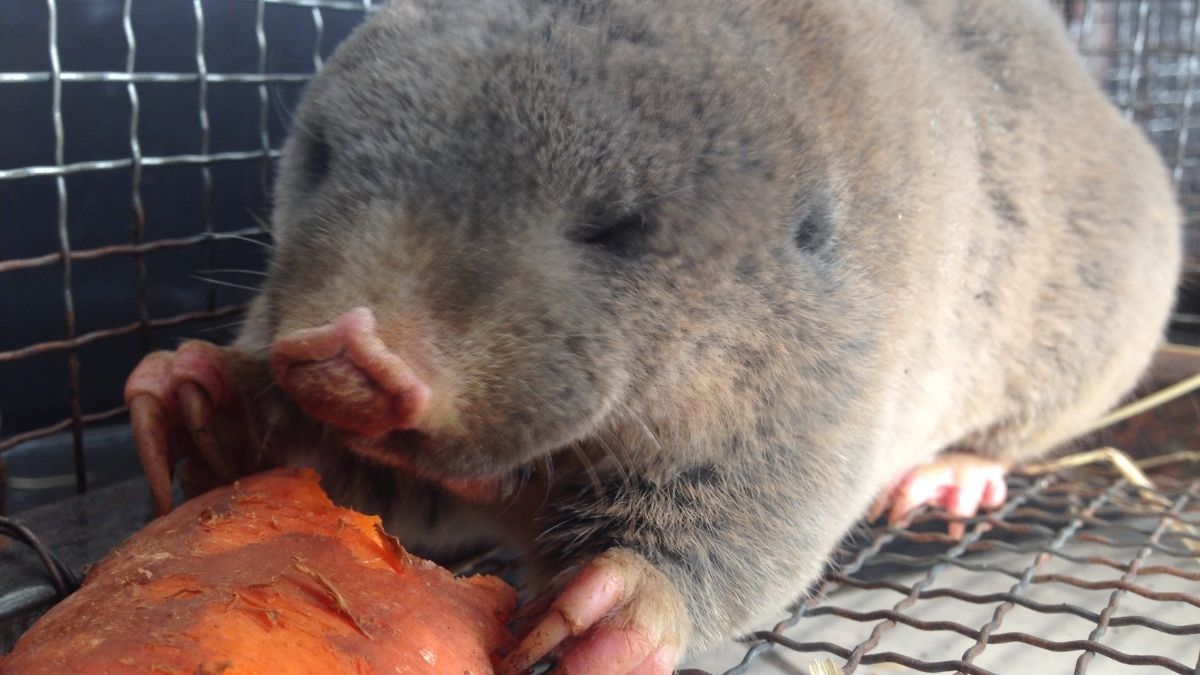
The Zokor is a rodent that digs holes and lives in China and Siberia. The Zokor looks like a mole and lives most of its life underground. It has developed strong, shovel-like front claws that are perfect for digging complicated tunnel systems. Zokors don't have outside ears like many other burrowing animals. This keeps dirt out of their ear canals while they dig.
Check Out Animal Names Beginning with Other Letters
While the Zebra remains the poster child for animals that start with Z, the natural world offers much more variety. From the heat-resistant Zebu in India to the medical marvel that is the Zebrafish, these creatures highlight the incredible adaptability of wildlife. Learning about these unique species helps us appreciate the biodiversity that exists from A to Z



-fi-1766043521738.jpg)
Comments
All Comments (0)
Join the conversation