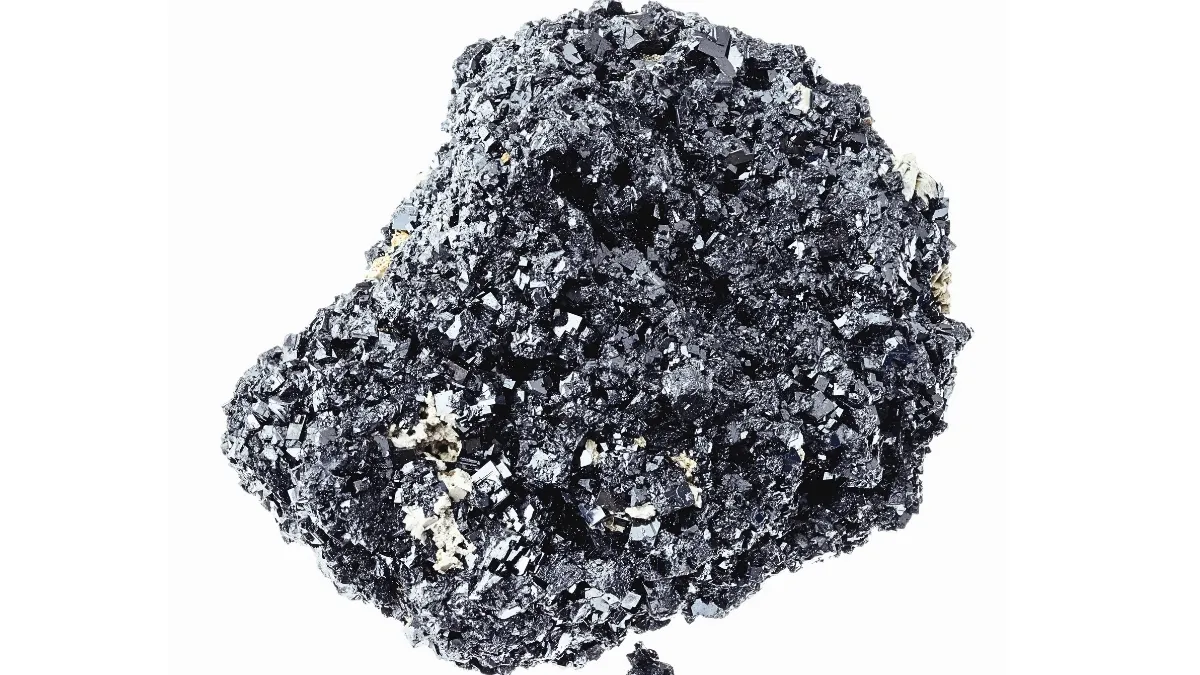
Titanium is known as the Metal of the Future. Titanium is often called the "space-age metal" for its incredible strength-to-weight ratio and resistance to extreme temperatures. As industries transition toward more efficient aerospace designs and advanced medical implants, the demand for this strategic mineral has reached record highs.
Which Country is the Largest Producer of Titanium in the World?
As of 2026, China remains the undisputed leader and the largest producer of titanium in the world. China's dominance spans the entire value chain, from the mining of raw ilmenite ore to the chemical processing of titanium sponge.
According to the latest U.S. Geological Survey (USGS) Mineral Commodity Summaries, China produces an estimated 3.3 million metric tons of titanium mineral concentrates annually. More importantly, China controls approximately 58% to 60% of the world’s titanium sponge production capacity, which is the raw metallic form used for industrial manufacturing.
-1777727362259.jpg)
Top Largest Producers of Titanium in the World (2025-2026 Data)
Titanium market is split into two categories: Mineral Concentrates (raw ore) and Titanium Sponge (refined metal). While many countries mine the ore, only a few have the advanced technology to produce the sponge. Here are the top largest producer of Titanium in the world
1. China
-
Role: Global Leader in both ore and sponge.
-
Key Regions: Baoji, known as "China's Titanium Valley," and the Panxi region.
-
Market Share: 60% of global sponge production.
2. Japan
-
Role: Specialized in high-purity aerospace-grade sponge.
-
Key Players: Toho Titanium and Osaka Titanium Technologies.
-
Primary Export: High-end alloys for Boeing and Airbus.
3. Russia
-
Role: Major supplier of large-scale forgings.
-
Key Player: VSMPO-AVISMA, the world’s largest integrated titanium producer.
-
Current Status: Production remains significant, though supply chains have shifted due to geopolitical tensions.
4. Mozambique and South Africa
-
Role: Leading miners of raw Ilmenite.
-
Impact: These nations are critical for the "upstream" supply, feeding the refineries in China and Europe.
5. Kazakhstan
-
Role: A vital independent source of titanium sponge.
-
Key Player: UKTMP (Ust-Kamenogorsk Titanium Magnesium Plant).
Largest Producer of Titanium: Global Rankings 2026
The following table highlights the annual production output based on the latest USGS and industry data.
| Rank | Country | Mineral Concentrates (Metric Tons) | Sponge Production (Metric Tons) |
| 1 | China | 3,300,000 | 220,000 |
| 2 | Mozambique | 1,900,000 | — |
| 3 | South Africa | 1,300,000 | — |
| 4 | Japan | — | 55,000 |
| 5 | Australia | 600,000 | — |
| 6 | Russia | 1,500 | 20,000 |
| 7 | Kazakhstan | — | 14,000 |
Largest Exporter of Titanium in the World
Although China is the largest in total production of Titanium. However the title of the Largest Exporter often shifts depending on whether we measure raw ore or high-value processed alloys.
The Export Leaders of Titanium is the United States.
-
The United States: the U.S. is a massive exporter of high-end aerospace-grade titanium scrap and processed alloys, despite being a smaller producer valued at over $2.2 billion annually.
-
China: China is the world's largest exporter of Titanium Oxides which is generally used in paints and coatings and industrial-grade titanium mill products. In early 2026, China’s monthly titanium exports averaged approximately $75M–$80M.
-
Japan: Japan is the critical exporter for the global aviation industry. It provides the high-purity sponge required by companies like Boeing and Airbus, making it the most significant exporter of "Certified Aerospace Grade" metal.
Types of Titanium
Titanium is categorized by its Grade, which is determined by its purity and the other metals it is alloyed with.
-
Commercially Pure (CP) Grades (1–4): These are unalloyed. Grade 1 is the softest and most ductile (easiest to shape), while Grade 4 is the strongest pure form.
-
Titanium Alloys (Grade 5): Also known as Ti-6Al-4V (6% aluminum, 4% vanadium). This is the "workhorse" of the industry, accounting for over 50% of total titanium usage worldwide due to its extreme strength.
-
Alpha and Beta Alloys:
-
Alpha alloys are preferred for high-temperature applications.
-
Beta alloys offer superior formability and are often used in orthodontic wires and specialized springs.
-1777727414824.jpg)
Uses of Titanium
Titanium’s unique properties of low density, high strength, and immunity to corrosion—make it irreplaceable in several high-stakes sectors.
-
Aerospace and Defense: Used in jet engines, firewalls, landing gear, and airframes. It can withstand the heat of a turbine and the pressure of supersonic flight.
-
Medical Implants: Because titanium is biocompatible (the human body does not reject it), it is the standard material for hip replacements, knee joints, and dental implants.
-
Chemical Processing: Its resistance to saltwater and chlorine makes it perfect for desalination plants and offshore oil rigs.
-
Consumer Goods: Found in premium laptop casings, bicycle frames, and high-end watches (like the Apple Watch Ultra).
-
Pigments (TiO2): Roughly 90% of mined titanium is actually used as Titanium Dioxide, a white pigment for paints, plastics, and even sunscreen.
While China leads in volume, Japan and Kazakhstan are increasingly vital for Western supply chains seeking to diversify their sources of high-purity, aerospace-certified titanium.