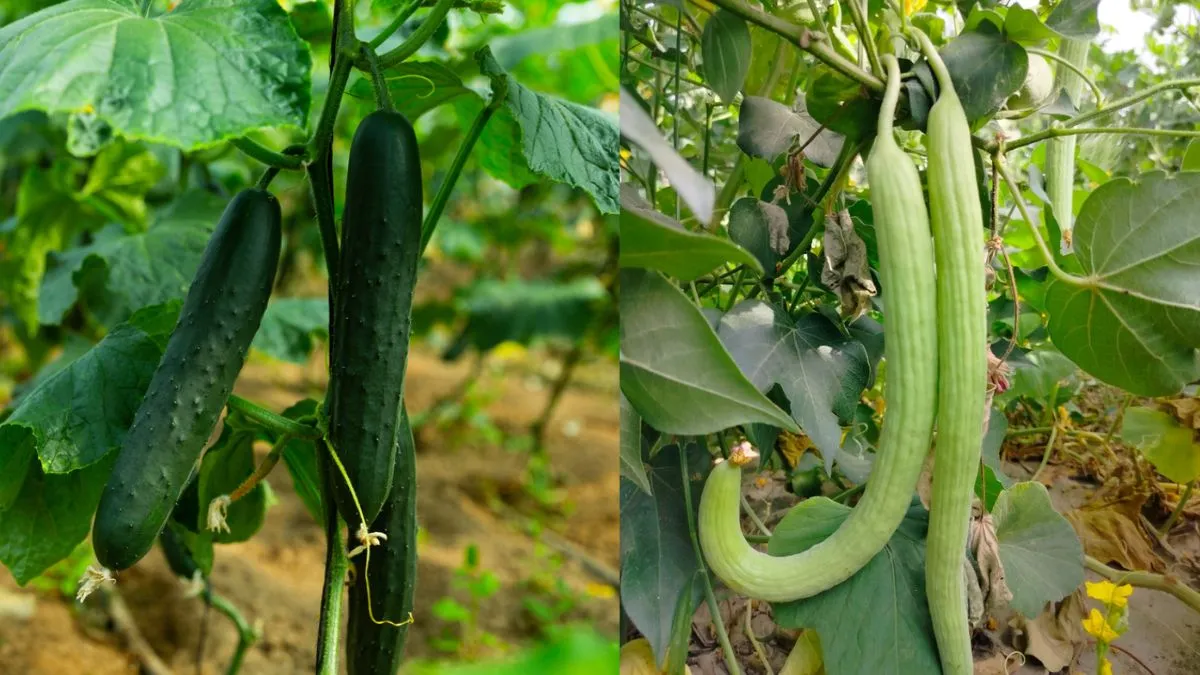
In India, especially during hot summers, two vegetables appear on almost every kitchen table — Kheera and Kakdi. Many people use these names interchangeably, but they are actually two different types of cucumber. Both are water-rich, low in calories, and great for beating the heat. But they look different, taste different, and even have slightly different health benefits. In this article, you will learn exactly what kheera and kakdi are, how they differ from each other, their key facts, and which one is better for you this summer
What is Kheera?
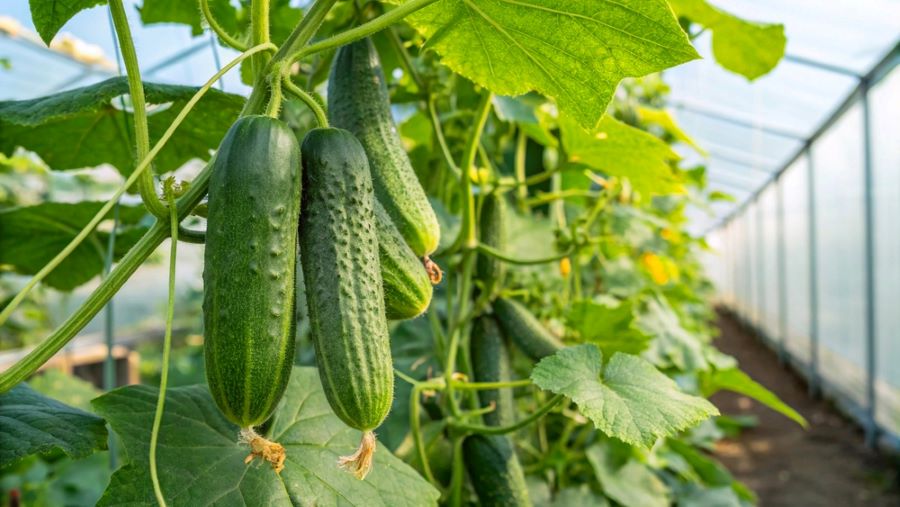
Source: shutterstock
Kheera is the common cucumber (scientific name: Cucumis sativus) that you see in every vegetable shop across India and the world. It is dark green in color, has smooth skin, and is firm to the touch. Kheera grows up to 15–20 cm in length. Its flesh is crisp, juicy, and has a mild, slightly sweet taste. It is available throughout the year and is used in salads, raita, sandwiches, juices, and detox water.
Kheera contains about 95% water, making it one of the most hydrating vegetables. It is rich in Vitamin C, Vitamin K, potassium, and antioxidants.
What is Kakdi?
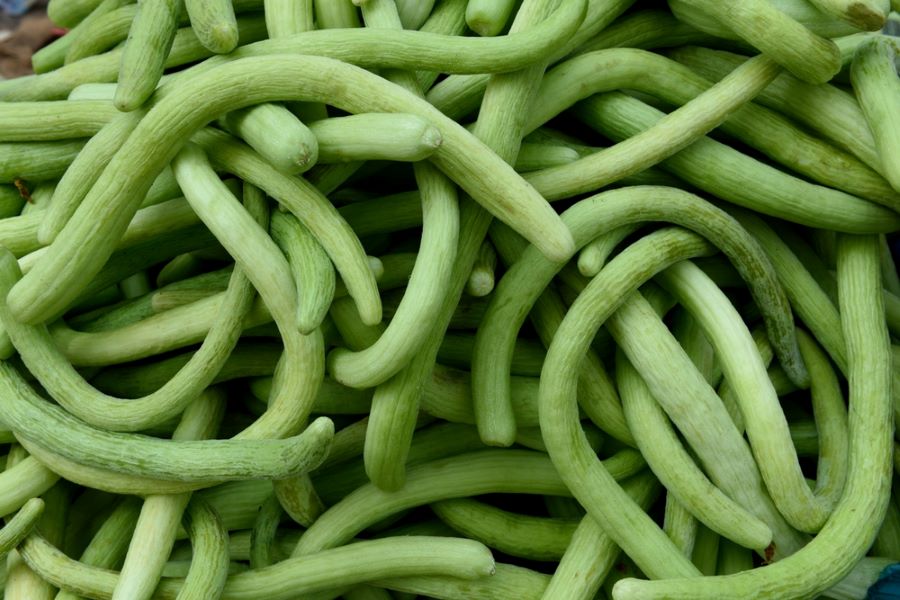
Source: shutterstock
Kakdi is also known as Armenian cucumber or Snake cucumber. It belongs to the same cucumber family but is a different variety. Its scientific name is Cucumis melo var. flexuosus.
Kakdi is longer and thinner than kheera — it can grow up to 60 cm in length. It has light green to pale white skin with slight ridges on it. The taste is milder and slightly sweeter, with a more melon-like flavour compared to kheera.
Kakdi is mostly found in North India and is a popular summer snack, especially in states like UP, Bihar, and Rajasthan. It is mainly a seasonal vegetable, most commonly available during the summer months (April–July).
Also Read: Difference Between Watermelon and Muskmelon
Kheera vs Kakdi
| ~ | Kheera (Cucumber) | Kakdi (Armenian Cucumber) |
|---|---|---|
| Color | Dark green, smooth skin | Pale green, ridged skin |
| Size | 15–20 cm long | Up to 60 cm long |
| Availability | All year round | Seasonal (summer) |
| Taste | Mild sweet | Mild melon-like sweet |
| Water Content | ~95% | ~90–92% |
Kheera vs Kakdi: Differences Table
| Feature | Kheera | Kakdi |
|---|---|---|
| Scientific Name | Cucumis sativus | Cucumis melo var. flexuosus |
| Also Known As | Common Cucumber | Armenian / Snake Cucumber |
| Color | Dark green | Light green to pale white |
| Skin Texture | Smooth & waxy | Ridged / grooved |
| Size / Length | 15–20 cm | Up to 60 cm |
| Taste | Mild, slightly sweet | Milder, melon-like sweet |
| Water Content | ~95% | ~90–92% |
| Calories (per 100g) | ~15 kcal | ~15 kcal |
| Fibre Content | Lower | Higher |
| Availability | All year round | Mainly summer (Apr–Jul) |
| Availability in India | Pan-India | Mostly North India |
| Best Used For | Salad, raita, detox water | Raw snack, salad, curry |
| Ayurvedic Property | Cooling (mild) | Highly cooling (reduces pitta) |
Quick Facts: Kheera vs Kakdi
-
95% — Water content in Kheera, one of the highest among all vegetables.
-
60 cm — Max length Kakdi can grow, much longer than Kheera's 15–20 cm.
-
15 kcal — Both Kheera and Kakdi have about 15 calories per 100g, perfect for weight management.
-
2 types — They are two distinct cucumber varieties, NOT the same vegetable.
-
Vitamin C — Kheera is richer in Vitamin C and antioxidants, great for skin health.
-
Pitta — In Ayurveda, Kakdi is recommended to reduce body heat (pitta) in summer.
-
Fibre — Kakdi has higher fibre than Kheera, better for digestion and gut health.
-
Potassium (K+) — Both contain potassium, which helps control blood pressure and supports heart health.
Which One Should You Choose?
If you want maximum hydration and year-round availability — go with Kheera. It also has more Vitamin C for skin health. If you want better digestion, more fibre, and a summer cooling effect — go with Kakdi. In Ayurveda, it is considered more cooling than Kheera.
The best choice? Eat both! They are low in calories, easy to eat, and perfect for India's hot summers.