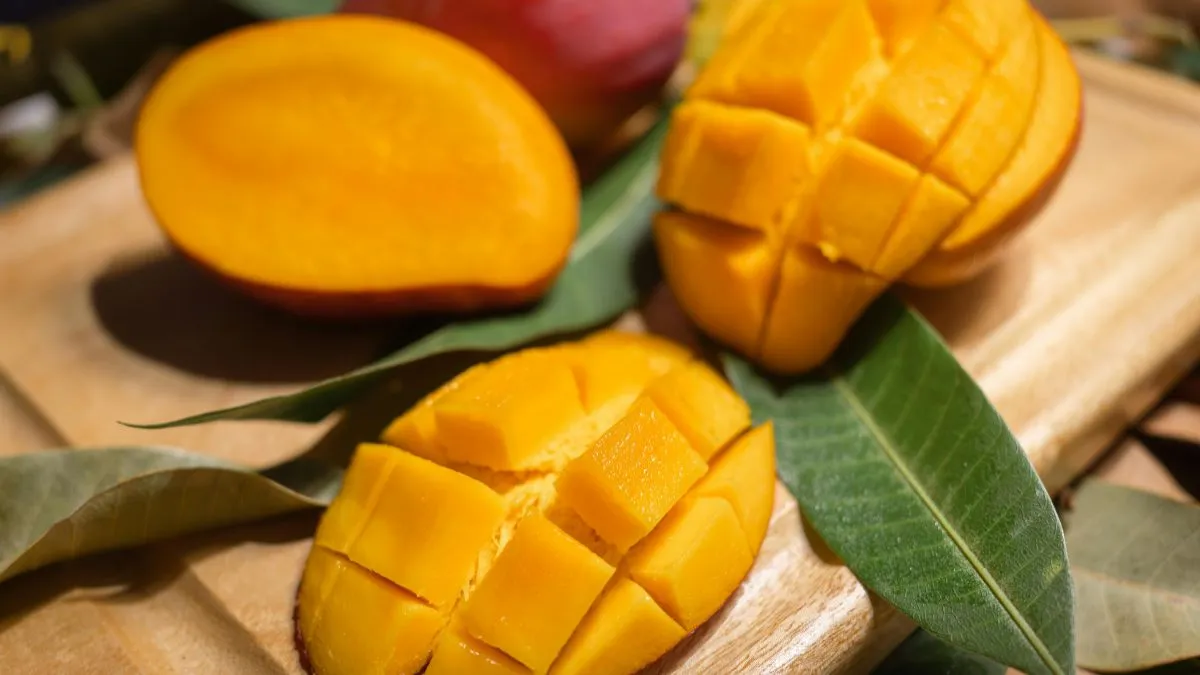
King of Tropical Fruits: Mango is known as the King of Tropical Fruits because of its rich flavour, high nutritional value, wide cultivation across tropical regions, strong cultural importance, and global popularity as one of the most consumed tropical fruits in the world.
Why Is Mango Called the King of Tropical Fruits?
Mango is called the King of Tropical Fruits due to its sweet taste, high vitamin content, versatile culinary uses, long cultivation history, and its important role in agriculture, trade, and fruit production across tropical and subtropical countries.
Origin and Distribution of Mango
Mango originated in South Asia and later spread across Southeast Asia, Africa, the Caribbean, and tropical regions of the world. Today, it is cultivated in countries with warm climates and monsoon-based growing conditions.
Nutritional Value of Mango
Mango is rich in Vitamin C, Vitamin A, dietary fibre, antioxidants, and natural sugars. It supports immunity, digestion, skin health, and energy metabolism, making it one of the most nutrient-dense tropical fruits.

Largest Mango Producer in the World
India is the largest producer of mangoes in the world, contributing a major share to global mango production with famous varieties such as Alphonso, Dasheri, Langra, Chausa, Banganapalli, and Kesar.
Major Mango-Producing Countries
Other leading mango-producing countries include China, Thailand, Indonesia, Pakistan, Mexico, and the Philippines, where mango cultivation supports agriculture, export, and fruit-processing industries.

Interesting Facts About Mango
Ancient Cultivation History
Mango has been cultivated for thousands of years and is historically associated with South Asian agriculture, trade routes, and royal fruit gardens.
Known as the National Fruit in Several Countries
Mango is recognised as the national fruit of India, Pakistan, and the Philippines, highlighting its cultural and historical importance.
Hundreds of Mango Varieties Worldwide
There are hundreds of mango varieties differing in taste, aroma, texture, fibre content, and sweetness levels across tropical regions.
Widely Used in Culinary Traditions
Mango is used in juices, desserts, pickles, chutneys, smoothies, salads, and traditional regional dishes in many tropical countries.
Strong Role in Tropical Fruit Economy
Mango farming, processing, export and seasonal markets contribute significantly to rural livelihoods and the tropical fruit industry.
Read more: Which Nut Is Called the King of Dry Fruits?
Mango is known as the King of Tropical Fruits because of its rich taste, high nutritional value, cultural significance, wide global cultivation and leading role in tropical fruit production and consumption across the world. Keep reading for more such articles.





Comments
All Comments (0)
Join the conversation