Show Key Points
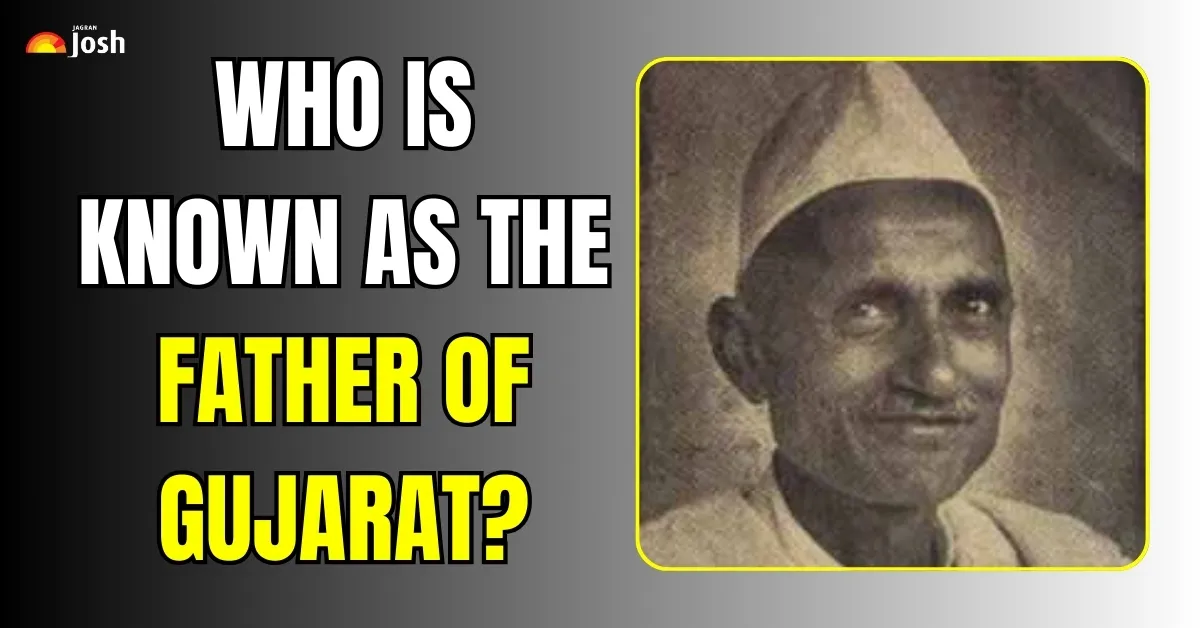
Ravishankar Maharaj, born Ravishankar Vyas, is remembered as the Father of Gujarat. He was a freedom fighter and social worker who dedicated his life to helping the people of Gujarat. Inspired by Mahatma Gandhi, he worked tirelessly for others and played a key role in the creation of Gujarat as a state in 1960. His efforts in social reform and rural development earned him great respect. This article will explore his life and achievements.
ALSO READ| Who is Known as the Father of the Indian Constitution?
Who Was Ravishankar Vyas?
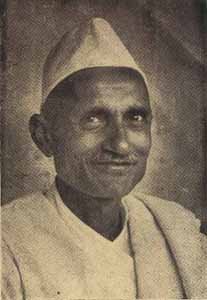
Ravishankar Vyas was born in 1884 in Radhu village, Gujarat. He grew up on a farm with little formal education, and these early experiences inspired his dedication to social reform and public service.
# Birth and Family
- Ravishankar Vyas was born on 25 February 1884 in Radhu village, which is now in Kheda district, Gujarat.
- He belonged to a simple farming family.
- His parents were Pitambar Shivram Vyas and Nathiba.
# Education and Youth
- He studied only up to the sixth standard.
- He left school early to help his parents with farm work.
- He married Surajba when he was young.
# Early Influences
- Even as a young man, he was attracted to social ideas.
- He was influenced by the Arya Samaj philosophy, which taught social equality.
What Role Did Ravishankar Maharaj Play in India’s Freedom Struggle?
Ravishankar Maharaj was a key Gandhian freedom fighter from Gujarat. He took part in the Bardoli Satyagraha, the Salt March, and the Quit India Movement, and played an important role in India’s fight for independence.
i. Follower of Gandhi
- Ravishankar met Mahatma Gandhi in 1915 and became his follower.
- He believed in non-violence (ahimsa) and joined Gandhi's movements.
ii. Major Movements He Joined
- He joined the Borsad Satyagraha in 1923 to fight against unfair taxes.
- He took part in the Bardoli Satyagraha in 1928 alongside leaders such as Sardar Patel.
- In 1930, he walked with Gandhi in the Salt March and was jailed for it.
- He also joined the Quit India Movement in 1942.
iii. Time in Jail
- Because of his protests against British rule, he was jailed several times.
- His courage made him a respected freedom fighter.
- How Did He Serve Society After India’s Independence?
- After independence, Ravishankar Maharaj focused on nation-building and social upliftment.
- He worked for rural development, supported the Bhoodan Movement, and promoted Gandhian ideals like non-violence, equality, and Sarvodaya across Gujarat.
IN CASE YOU MISSED| Who is Known as the Father of Ancient Medicine
Why Is Ravishankar Maharaj Called the Father of Gujarat?

Ravishankar Maharaj is known as the Father of Gujarat for dedicating his life to serving the state. He played an important part in social reform and the freedom movement, and he guided Gujarat during its formation, which led to this honour.
i. His Impact on the State
- Ravishankar Maharaj is known as the Father of Gujarat for his lifelong service.
- He helped inspire people during the freedom struggle and worked to build unity and progress in society.
ii. Gujarat’s Formation
- When the state of Gujarat was formed on 1 May 1960, he was present at the event and blessed its leaders.
iii. Legacy and Respect
- Many Gujarat leaders visited him for blessings.
- The Government of India issued a postal stamp in his honour in 1984.
- A social service award is named after him in Gujarat.
Conclusion: How Did He Serve Society After India’s Independence?
To sum up, Ravishankar Maharaj made a significant impact on Gujarat’s society after independence. Following 1947, he stayed committed to social service, working to improve the lives of villagers and the poor throughout Gujarat.
He took part in Vinoba Bhave’s Bhoodan Movement, travelling over 6,000 kilometres to convince landowners to give land to those without any.
His work helped reduce inequality and support social justice. Ravishankar Maharaj also promoted Sarvodaya, or the "welfare of all".
He encouraged people to live simply, to cooperate with one another, and to follow Gandhian values such as equality, nonviolence, and collective progress.
WHAT'S NEXT| Who Is Known As The Father Of Geometry?




Comments
All Comments (0)
Join the conversation