The word 'communication' originated from a Latin word, 'communes', which means something common. Communication is the process of exchanging information, ideas, thoughts, feelings and emotions through speech, writing, or behaviour.
Communication is not simply vocalising your thoughts. Communication is an art of speaking so that people want to listen to you. The best communicators don't impress people; they own the room. Great communicators are not only about what they say but also about how they make the people feel when they speak.
Often people ignore the tiny communication habits that could make them instantly likeable. These small behaviours quietly decide how people judge you in seconds. And indeed, these small changes in how you speak, listen, and respond can set you apart from the average.
Five of the most common communication mistakes that people make are not listening actively, information overload, being inconsistent, talking over others, and avoiding tough conversations.
Not listening actively leaves the other person feeling ignored and unimportant. Information overload can leave them overwhelmed and confused. Being inconsistent with your communication can make you look unreliable. Talking over others leaves no room for others to speak their mind. Avoiding tough conversations often is more harmful than it seems, leaving both parties confused.
If you struggle with articulating your thoughts, speaking confidently, initiating conversations, or acting appropriately as per the situation, then these 9 books are your best friends and mentors at enhancing your communication and social skills.
9 Must-Read Books To Boost Your Communication and Social Skills
1. Think Faster, Talk Smarter
Many of us dread having to convey our ideas to others, often feeling ill-equipped, anxious, and awkward. Yet, most of our professional and personal communication occurs in spontaneou situations that creep up on us and all too often leave us flustered and stumbling for words. The book 'Think Faster, Talk Smarter' by Matt Abrahams will help you learn how to speak successfully when you are put on the spot.
2. 4 Essential Keys to Effective Communication
The author Bento C. Leal III explains that healthy relationships depend on the ability to effectively and empathetically listen and express ourselves to others. Leal teaches you to integrate empathy into every step of the communication process.
3. Talking to Strangers
This eye-opening book about the impossibility of truly understanding a stranger breaks down famous events in recen human history. Maclolm Gladwell shows us the strategies we often use when dealing with people we don't know-and how deeply flawed those strategies are.
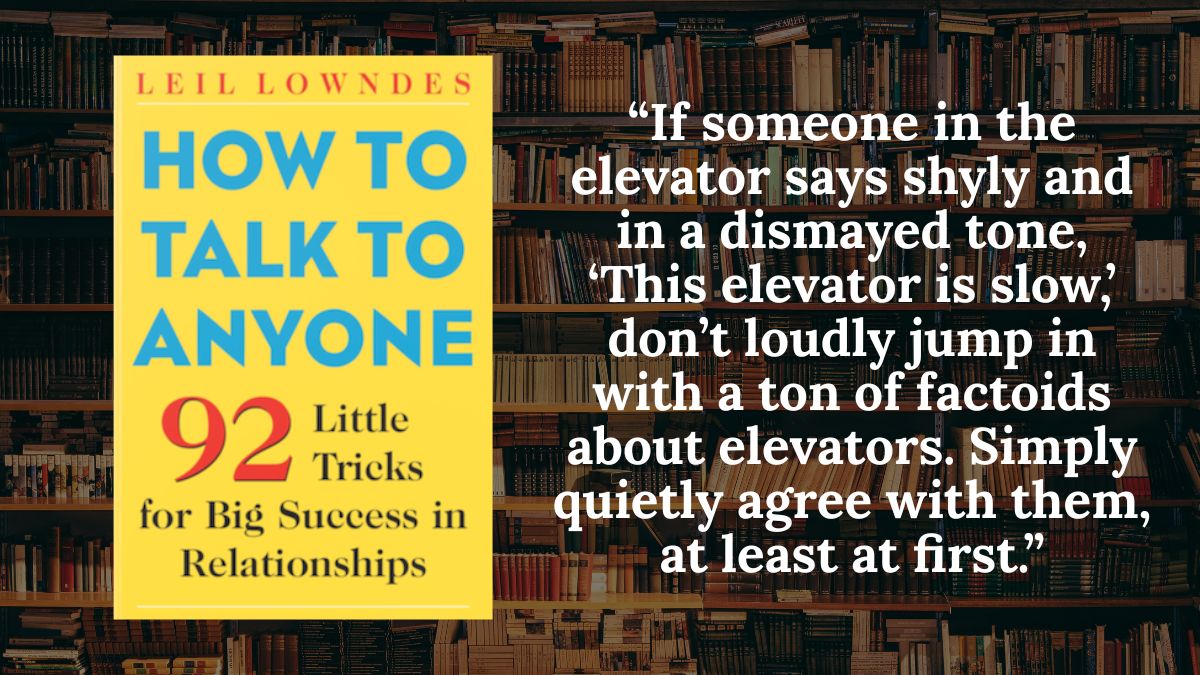
4. How to Talk to Anyone
Communications expert and bestselling author Leil Lowndes presents practical techniques to help you overcome social discomfort, make a great first impression, and confidently develop new social and professional connections.
5. Nonviolent Communication
One key communication tool is using 'I' statements to take ownership of your feelings without blaming. Instead of saying "You never listen," try "I feel frustrated when I'm not heard because understanding is important to me."
6. Never Split The Difference
Former FBI negotiator Chriss Voss teaches a simple yet powerful tool: mirroring. This involves repeating the last few words your conversation partner just said. It encourages them to continue and feel heard. It's subtle, disarming, and surprisingly effective in both tense and casual conversations.
7. Make It Stick
The Heath brothers explain why some ideas thrive and others die. One reason? Simplicity. Good communicators strip down ideas down to their essence without dumbing them down. Avoid jargon, analogies that confuse, or over-explaining.
8. The Science of Speaking
Most people think speaking is simple. You think, then you talk. But every word you say isn't just language, but a thought taking form. The Science of Speaking explores how thinking becomes speech, how the brain translates emotion into langauge, and how words shape perception. The books unpacks how misunderstandings begin long before words are spoken.
9. How to Win Friends and Influence People
Most people crave recognition and validation. A well-placed compliment, active interest in someone's thoughts, or remembering their name can make them feel truly valued. Published 80 years ago, this self-improvement classic by Dale Carnegie teaches universal communication principles like how to be a great conversationalist and how to get others to see your way of thinking.



Comments
All Comments (0)
Join the conversation