Show Key Points
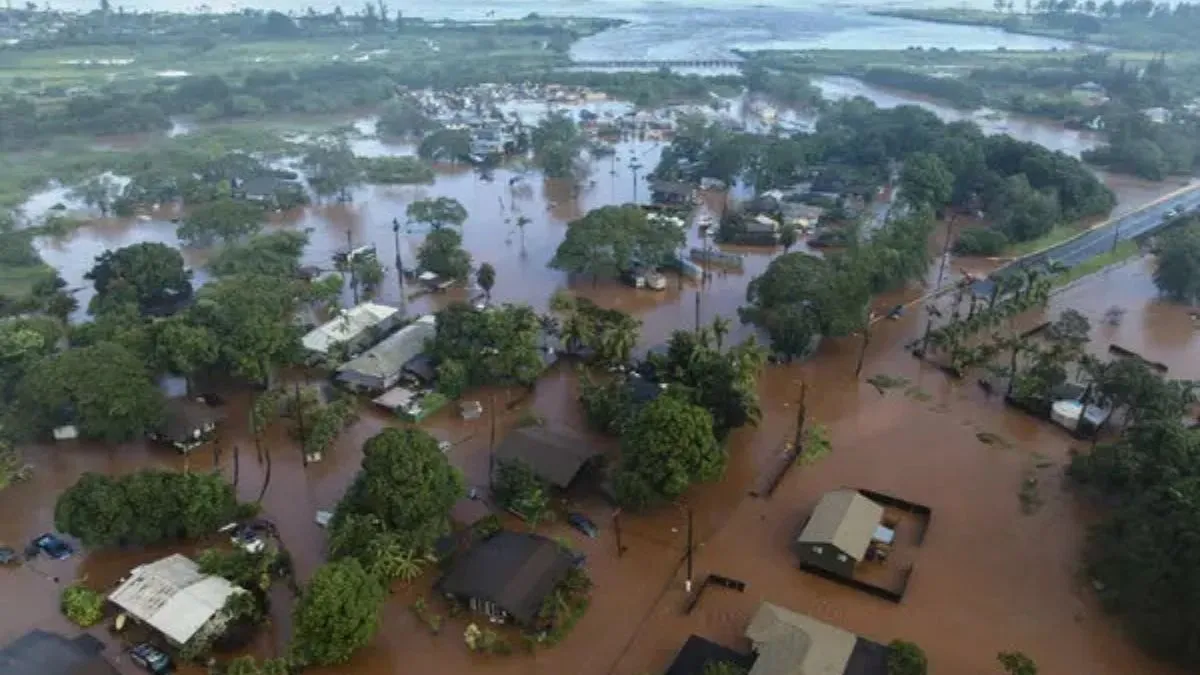
Hawaii is currently grappling with its most catastrophic weather event in over two decades, as a second powerful Kona Low storm system slams the islands. The Hawaii flooding has reached critical levels, prompting the evacuation of thousands across Oahu’s North Shore and various regions in Maui.
Governor Josh Green confirmed that the state is facing over $1 billion in potential damages after record-breaking rainfall, up to 16 inches in some areas, saturated soil already weakened by last week’s downpours.
With the National Weather Service (NWS) maintaining a Flash Flood Watch through Sunday, March 22, 2026, emergency management teams are working around the clock to prevent a dam-related disaster while housing displaced families in local shelters.
Why is the Wahiawa Dam under an Imminent Failure Alert?
The primary concern for Oahu residents is the structural integrity of the 120-year-old Wahiawa Dam. Heavy runoff from the Kaukonahua Stream caused water levels to surge to within six feet of the dam's maximum capacity.
While the dam has not breached, the Honolulu Department of Emergency Management (DEM) issued mandatory evacuation orders for Haleiwa and Waialua residents living downstream.
-
Risk Level: Imminent Risk of Failure (High Hazard Potential)
-
Impacted Areas: Haleiwa, Waialua, and low-lying North Shore communities.
-
Action Taken: Activation of the Hawaii National Guard and opening of shelters at Leilehua High School and Kahuku Elementary.
What are the Current Hawaii Flooding Evacuation Zones?
Evacuation statuses vary by island as the storm shifts. Officials utilize a three-tier system: Orders (Leave Now), Warnings (Potential Threat), and Advisories (Be Alert).
| Island | Affected Region | Current Status |
| Oahu | North Shore / Waialua | Evacuation Orders (Lifted/Monitored) |
| Maui | Lahaina / Wahikuli | Evacuation Warning (Retention Basin Risk) |
| Maui | ʻĪao Valley / Wailuku | Evacuation Warning (River Overflow) |
| Molokaʻi | Low-lying areas | Flood Advisory / Monitoring |
Check Out - Houston Meteor Explosion: NASA Confirms 1-Ton Fireball Hit Texas Sky with Sonic Boom
How can Residents Stay Safe during Flash Flood Warnings?
The Maui Emergency Management Agency (MEMA) and NWS Honolulu emphasize that even as rain pauses, the danger of landslides and "rapid-onset" flooding remains high due to saturated ground.
-
Move to Higher Ground: Flood evacuations do not require long travel; simply moving out of low-lying flood zones to nearby high ground can save lives.
-
Avoid Moving Water: Never attempt to drive through flooded roads. Most storm-related fatalities occur when vehicles are swept away in seemingly shallow water.
-
Monitor Official Alerts: Use the Genasys Protect app or subscribe to HNL/MEMA alerts for real-time updates on dam status and road closures like the Karsten Thot Bridge.
Flash Flood Warning continues for Kahului HI, Kihei HI and Wailuku HI until 12:00 AM HST pic.twitter.com/iRaKJQS5wr
— NWSHonolulu (@NWSHonolulu) March 22, 2026
Check Out - Aurora Forecast: G3 Solar Storm to Spark Northern Lights Over 18 U.S. States Tonight
As the second Kona Low departs, the threat of Hawaii flooding remains a primary concern for state officials. Some evacuation orders have been lowered, but the saturated ground and weak infrastructure, especially old dams, still need to be watched closely. Until the Flood Watch is fully canceled, residents should stay in touch with official emergency channels.



Comments
All Comments (0)
Join the conversation