12 Schedules of the Indian Constitution Explained
The Constitution of India was adopted on 26 November 1949 and became effective on 26 January 1950. It was drafted by the Constituent Assembly. The Constitution provides for a parliamentary form of government. The Preamble of the Indian Constitution outlines India as a sovereign, secular, socialist, and democratic republic. In this article, we will learn about the 12 Schedules of the Indian Constitution.
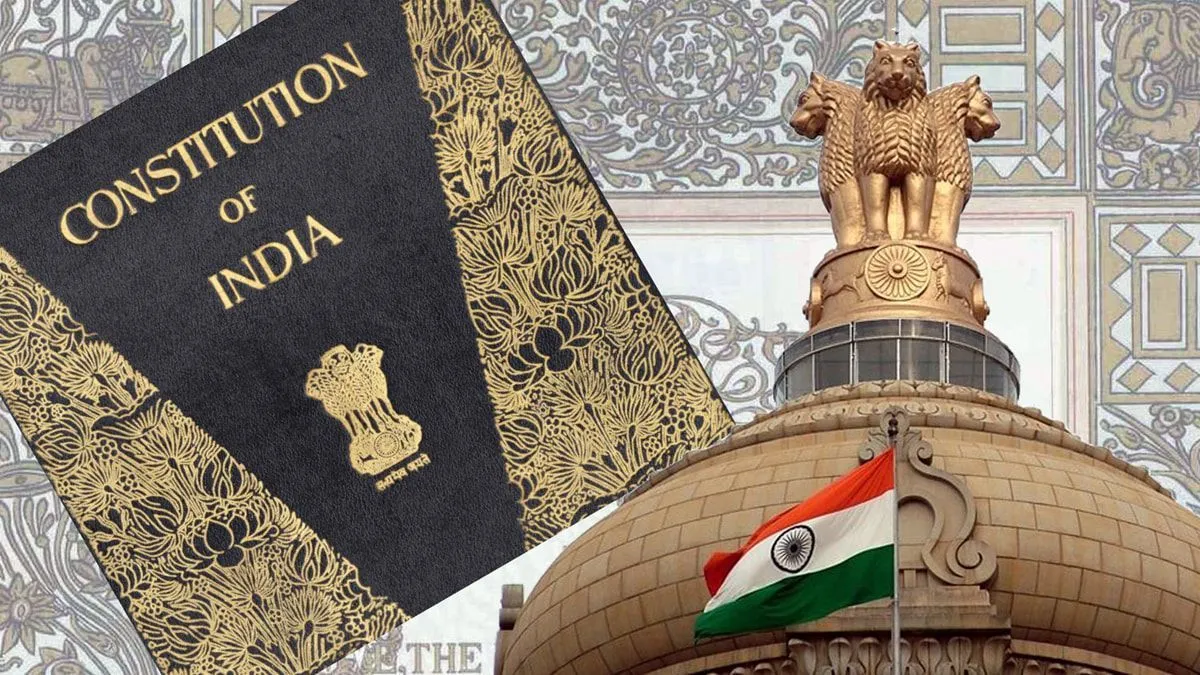
The Constitution of India was adopted on 26 November 1949 and became effective on 26 January 1950. It was drafted by the Constituent Assembly. The Constitution provides for a parliamentary form of government. The Preamble of the Indian Constitution outlines India as a sovereign, secular, socialist, and democratic republic.
Dr Ambedkar is known as the Father of the Indian Constitution. He was appointed as the permanent president of the Constituent Assembly on 11 December 1946. Later in the same year, 300 people became members in 1946 and met periodically for the next three years to draft the Indian Constitution. The committee worked for 141 days to prepare the draft constitution.
Originally, the Draft Constitution included 315 Articles and 8 Schedules. The final Constitution comprised 395 Articles, divided into 22 parts and 8 Schedules. Originally 8 Schedules, the Constitution of India has grown to comprise 12 Schedules through various constitutional amendments. In this article, we will learn about the 12 Schedules of the Indian Constitution in detail.
12 Schedules of the Indian Constitution Explained
The table below provides an in-depth overview of the Schedules in the Indian Constitution, along with their related subject matter and related articles.
| Schedule | Subject | Related Articles |
| First Schedule | It lists the States and Union Territories and their corresponding territories. | Articles 1 and 4 |
| Second Schedule | Lists the pay, allowances, and emoluments to:
| Articles 59(3), 65(3), 75(6), 97, 125, 148(3), 158(3), 164(5), 186 and 221 |
| Third Schedule | Outlines the form of oath of office for:
| Articles 75(4), 99, 124(6), 148(2), 164(3), 188 and 219 |
| Fourth Schedule | Specifies the allocation of seats in the Council of States (Rajya Sabha) | Articles 4(1) and 80(2) |
| Fifth Schedule | Outlines the provisions regarding the Administration and Control of Scheduled Areas and Scheduled Tribes | Article 244(1) |
| Sixth Schedule | Outlines the provisions for the Administration of Tribal Areas in the States of Assam, Meghalaya, Tripura and Mizoram | Articles 244(2) and 275(1) |
| Seventh Schedule | Outlines the allocation of powers and functions between the Union and the State legislatures. It entails three lists:
| Article 246 |
| Eighth Schedule | Lists the officially recognised languages of India. Originally 14 languages, currently 22 languages:
| Articles 344(1) and 351 |
| Ninth Schedule | Contains a list of central and state laws that are granted immunity from judicial review. If a law is placed in this Schedule, it cannot be challenged in the courts. | Article 31B |
| Tenth Schedule | Outlines provisions in relation to the Anti-defection law, i.e., disqualification of the members of Parliament and State Legislature on the grounds of defection. | Articles 102(2) and 191(2) |
| Eleventh Schedule | Outlines the functions, powers, and responsibilities of Panchayati Raj institutions. It was introduced through the 73rd Amendment Act of 1992. It includes 29 matters. | Article 243G |
| Twelfth Schedule | Outlines 18 matters of municipalities, including urban planning, town planning, construction of buildings, etc. It was added through the 74th Amendment Act of 1992. | Article 243W |

Roopashree Sharma is a seasoned content writing professional with over 5 years of experience in digital journalism, specialising in writing explainers and IQ quizzes across geopolitics and strategic affairs, and international affairs and trade. She holds a degree in Journalism and Mass Communication and has contributed to leading media houses, including Zee, Times, and India TV. Currently serving as Deputy Manager – Editorial at Jagran New Media, she writes and produces videos for the General Knowledge (GK) section of the Jagran Josh (English) portal. For inquiries, contact her at roopashree.sharma@jagrannewmedia.com.

-1780507359442_t.webp)

