Key Points
- Bengaluru is the 2nd most congested city globally in 2026, with 168 hours lost yearly.
- Delhi's congestion rose in 2026; commuters lose 104 hours yearly to traffic.
- India ranks 2nd in Asia for congestion in 2026; six of top ten cities are Indian.
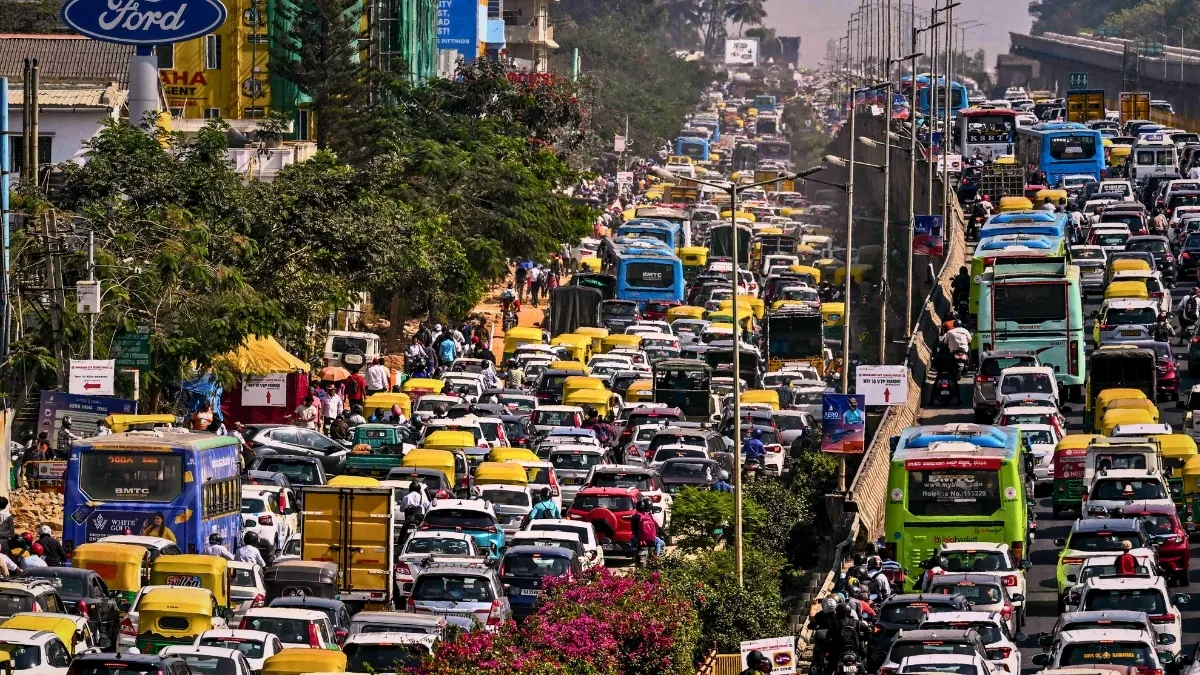
According to the most recent TomTom Traffic Index, Bengaluru has emerged as the world's second most congested city, with average rush-hour speeds plunging to a crawl of 13.9 km/h. India ranks second in Asia for congestion. While Mumbai saw small gains, Delhi's congestion levels increased by 3.5%, with commuters losing over 104 hours per year to traffic, the equivalent of four full days at a standstill.
For residents of India's biggest cities, "rush hour" is more than just a time of day; it is a way of life. The 2026 mobility data reveals that Indian cities are the most congested hubs in Asia. From Bengaluru's small, tech-heavy corridors to Delhi's huge arterial roadways, the cost of growth is measured in billions of lost hours and growing environmental damage.
The Most Congested Cities in 2026:
Traffic congestion is a universal challenge, but certain cities have become synonymous with the "stationary commute." Mexico City leads the global index, followed closely by India’s Silicon Valley.
Top 5 Most Congested Cities Globally (2026)
| Global Rank | City | Country | Congestion Level | Time Lost Per Year |
| 1 | Mexico City | Mexico | 75.9% | 184 Hours |
| 2 | Bengaluru | India | 74.4% | 168 Hours |
| 3 | Dublin | Ireland | 72.9% | 191 Hours |
| 4 | Łódź | Poland | 72.8% | 135 Hours |
| 5 | Pune | India | 71.1% | 152 Hours |
Also Read: Census 2027: Full List of 33 Questions for Phase I
Bengaluru: The Global "Silver Medalist" in Congestion
Bengaluru’s rise to the 2nd most congested city in the world behind only Mexico City comes as "no surprise" to its weary residents. The city has steadily climbed the rankings, moving from 6th in 2023 to 2nd in 2026.
-
The Crawl: The average speed during rush hour in the tech hub has slowed to just 13.9 km/h.
-
Time Lost: An average commuter loses 168 hours a year which is exactly 7 days and 40 minutes and is stuck in traffic for a standard 10km daily commute.
-
The Worst Day: May 17, 2025, was recorded as the city's worst day, where congestion peaked at 101% meaning travel took more than double the time it would under free-flow condidtions.
The Growing Pressure: Capital Delhi
New Delhi is witnessing a sharp upward trend in delays, While Bengaluru takes the top spot. Ranking as the fourth most congested city in India and 23rd globally, the capital’s congestion level rose to 60.2% this year.
-
Peak Hour Crisis: During the evening rush (4 PM – 6 PM), congestion consistently exceeds 100%, with average speeds falling to 18.9 km/h.
-
Impact: Delhiites now lose an average of 104 hours per year, a significant jump from 2024 data, driven by rising vehicle numbers and ongoing infrastructure projects that have temporarily throttled road capacity.
Also Read: How One District One Product (ODOP) is Transforming Local Crafts into Global Brands?
Top Congested City of Indian In the Asia:
The 2026 worldwide traffic rankings revealed a sobering reality: India is now Asia's second most crowded country, after only the Philippines. As urban migration and vehicle ownership soar, the nation's infrastructure struggles to keep up. While Bengaluru has restored its status as a global hub of traffic congestion, the national capital, Delhi, is experiencing rapid deterioration in travel times, indicating a statewide urban mobility problem.The survey ranks India as Asia's second most congested country. Six of the region's top ten most congested cities are in India.
-
Bengaluru (1st in Asia)
-
Pune (2nd in Asia / 5th Globally)
-
Mumbai (6th in Asia)
-
New Delhi (7th in Asia)
-
Kolkata (9th in Asia)
-
Jaipur (10th in Asia)
Why are Bengaluru and Delhi ranked at the Top?
-
Vehicle Explosion vs. Static Roads: Bengaluru adds nearly 3,000 new vehicles every day, yet its road length has remained almost the same for a decade. In Delhi, even with massive 8-lane highways, the sheer volume of over 1.5 crore registered vehicles creates "permanent" bottlenecks.
-
The "Last-Mile" Public Transport Gap: While both cities have growing Metro networks, commuters still use private cars because getting from a station to their final destination is difficult. This lack of "last-mile" connectivity makes personal cars and two-wheelers a necessity rather than a luxury.
-
Centralized Job Hubs: Both cities concentrate their economic activity in specific zones (like the Outer Ring Road in Bengaluru or Gurugram/Noida transit points for Delhi). This funnels hundreds of thousands of people onto the same narrow corridors at the exact same time.
-
Infrastructure "Chokepoints": Ongoing construction for Metro Phase 3 and Phase 4 often shuts down major road lanes for years. In Bengaluru, 90 vehicle breakdowns occur daily on average; without emergency lanes, a single stalled bus can trigger a tailback that lasts for hours.
-
Poor Drainage & Weather Sensitivity: Both cities are highly vulnerable to rain. Poorly maintained sewers lead to instant waterlogging (even during light showers), which reduces road capacity by 50% or more, turning a 20-minute drive into a 2-hour ordeal.
-1764828864392.jpg)

-1769174635347.jpg)
Comments
All Comments (0)
Join the conversation