Key Points
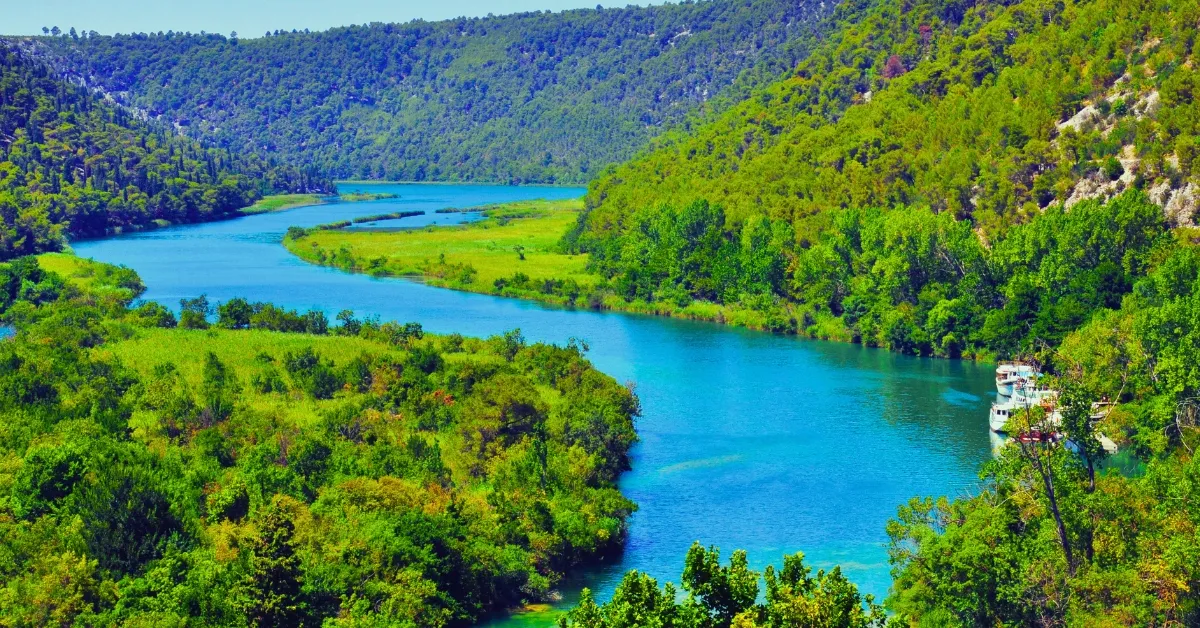
- The Lukha River in Meghalaya is known as the 'Blue River' of India.
- Its water turns a striking blue during the dry winter season.
- The blue color is due to calcification and light scattering.
India is a land of vast waters, with over 400 rivers winding through its varied landscape. These rivers fit into major river basins, serving as lifelines for millions. They supply water for agriculture and everyday activities.
Rivers in India often have multiple names. The Brahmaputra is referred to as the Tsangpo in Tibet. The Ganges is called the Padma when it flows into Bangladesh.
But do you know which river is celebrated as the "Blue River" of India? In this article, we will look at the interesting facts about this hidden beauty.
ALSO READ| Which River Is Known As The Red River Of India?
Which River Is Known As The Blue River In India?
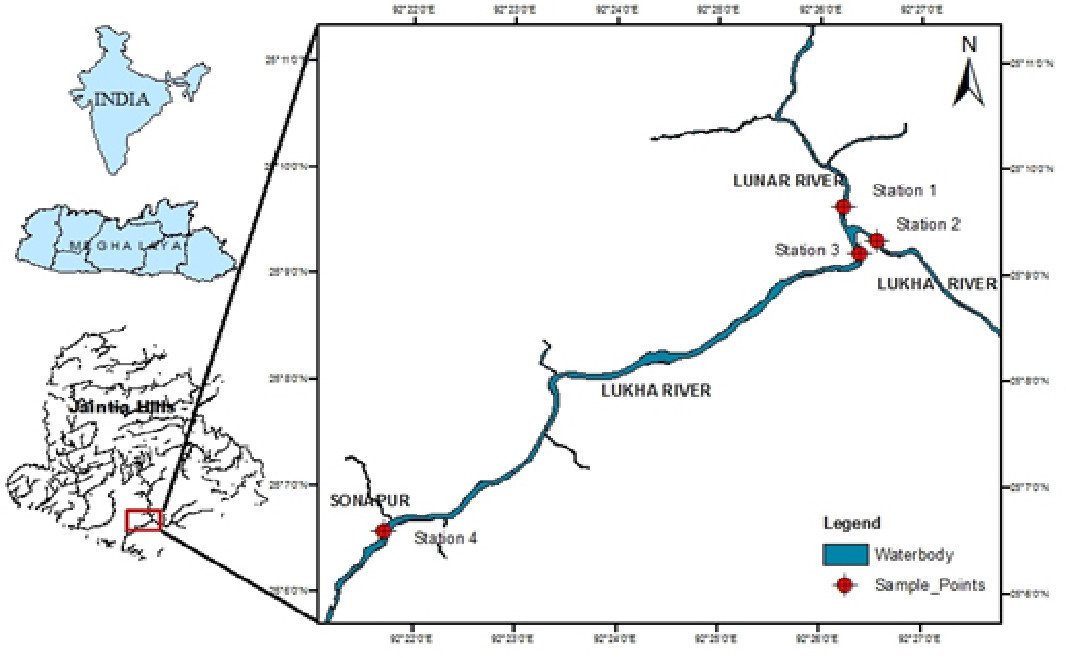
Source: Abhipedia
The Lukha River, found in the East Jaintia Hills of Meghalaya, is the beautiful body of water called the Blue River of India. It is well-known for its striking change into a rich, deep blue colour during the winter months.
The Path of the Lukha River
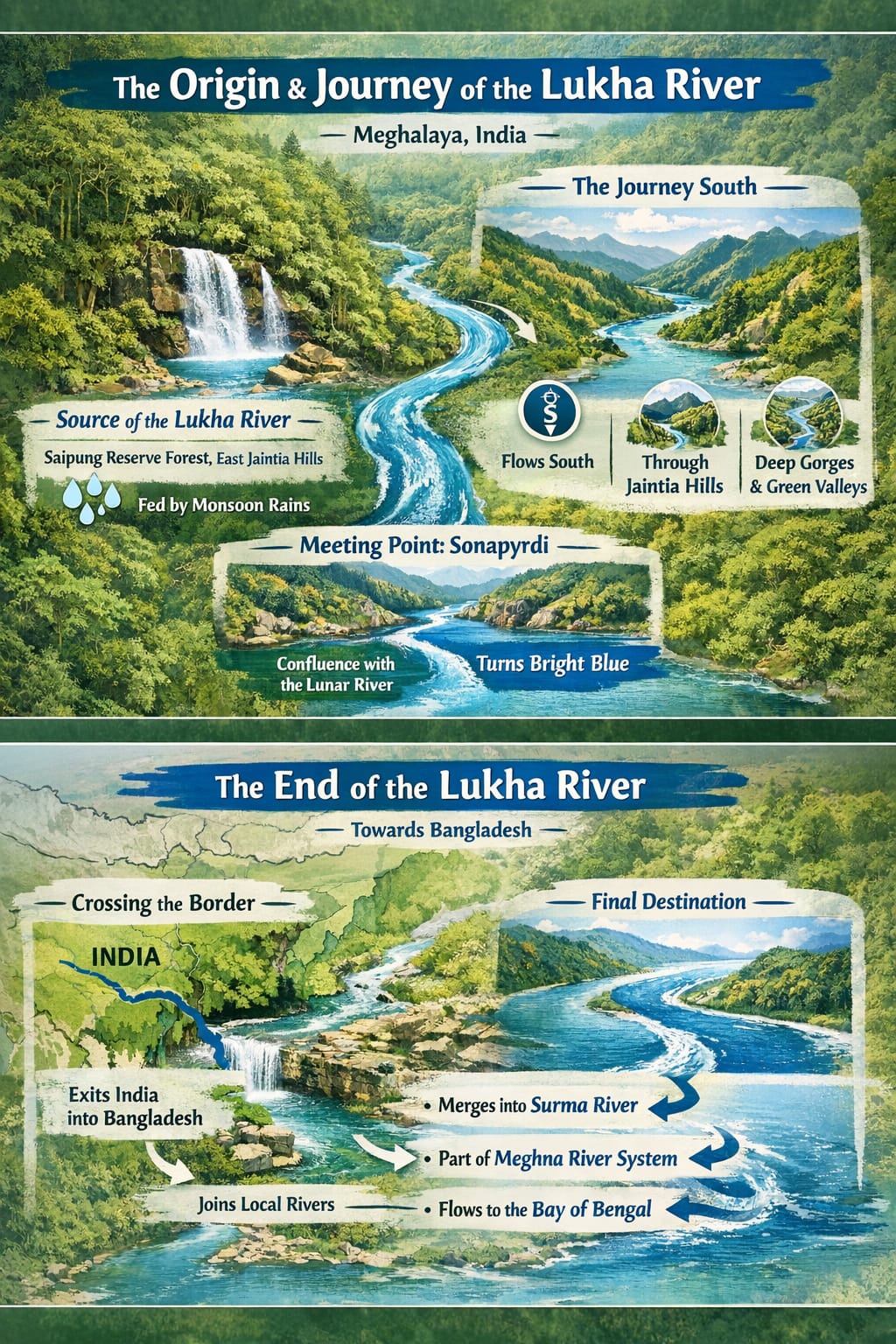
The Lukha is a rain-fed river that begins its journey high in the hills of Meghalaya.
- Origin: It starts in the Saipung Reserve Forest area.
- Flow: The river flows southwards through the lush green valleys of the Jaintia Hills.
- The Meeting Point: On its way, it is joined by a major lunar tributary called the Lunar River.
- Final Destination: After travelling through the rugged terrain, it crosses the international border into Bangladesh.
- There, it merges with other water bodies and eventually empties into the Surma River system.
7+ Fascinating Facts About the Lukha River
- The river is not blue year-round; it usually turns this vibrant colour during the dry winter season when the water flow slows down.
- Science suggests the blue colour is caused by "calcification", a chemical reaction between the alkaline Lukha and its acidic tributaries.
- During the blue phase, the water often shows a high pH level, making it more alkaline than typical river water.
- The colour is enhanced by the way sunlight scatters off fine mineral particles suspended in the clear water.
- The river flows through areas rich in limestone deposits, which play a major role in its unique chemistry.
- Despite its unusual chemistry, the surrounding valley is a critical habitat for various species of birds and local flora.
- The river acts as a primary drainage system for the southern part of the East Jaintia Hills.
- The river basin is part of a corridor used by various wildlife moving between the hills of India and the plains of Bangladesh.
- Geologists study the Lukha to understand how mining and natural minerals interact to change water pigments.
FOR YOU| Which River Is Known As The Gold River Of India?
Why Does the Lukha River Change Its Colour?

Source: India Water Portal
It seems like magic, but the change from clear water to a bright blue is actually an interesting science experiment taking place in nature. Here's how it happens:
The Science of the "Blue"
The colour change isn't just a reflection of the sky. It is caused by a specific chemical process.
- The Meeting of Waters: The Lukha is naturally alkaline. However, it meets a tributary called the Lunar River, which is often highly acidic due to nearby mineral deposits.
- The Reaction: When these two types of water mix, they create a chemical reaction that produces precipitates (tiny solid particles).
- Light Scattering: These tiny white particles float in the water. When sunlight hits them, it scatters the blue light back to our eyes, making the river look like a giant sapphire.
Key Factors Involved:
- Limestone Rocks: The area is full of limestone, which reacts with the water.
- Low Water Flow: The blue is most visible in winter when the water is calm and deep.
- Sediment Levels: In the rainy season, mud turns the river brown, hiding the blue effect.
MUST READ| Which River Is Known As The Diamond River Of India?
How Does the Blue River Support Local Life?
The Lukha River is more than just a beautiful sight; it is a vital part of the ecosystem and the local community in Meghalaya.
i) A Lifeline for the Jaintia Hills
For the people living in the East Jaintia Hills, this river is a central part of their daily environment.
- Transportation: In many areas, the river serves as a path for small boats to move goods between villages.
- Tourism Income: The "Blue" phenomenon attracts travellers from all over the world, helping local shops and guides earn a living.
ii) The Environmental Balance
Because the river's chemistry is so sensitive, it acts as a "warning sign" for the environment.
Why we must protect it:
- Fish Migration: The river is home to local fish species that rely on clean water to travel downstream.
- Water Quality: Studying the blue colour helps scientists monitor the impact of nearby mining on the water's health.
- Forest Health: The Lukha flows through the Saipung Reserve Forest, providing moisture to rare tropical plants and trees.
WHAT'S NEXT| Which River Is Known As The 'Sky River Of The Himalayas'?




Comments
All Comments (0)
Join the conversation