India is a land of many rivers. These rivers are divided into several major river basins that provide water to millions of people. Among them, the Ganges is the longest river in India, stretching across the vast northern plains. However, the Brahmaputra holds its own unique records. It is known as the widest river in India and, in terms of water volume, the largest. But do you know which glacier is the source of the mighty Brahmaputra? This mysterious glacier is located at an altitude of over 5,000 metres in the Himalayas. It feeds a river that travels through three different countries. In this article, we will take a look at the origin, journey, and the exact glacier that starts it all.
Which Glacier Is The Source Of The Brahmaputra?
![Solved] Brahmaputra river originates from](https://storage.googleapis.com/tb-img/production/21/03/brah.png)
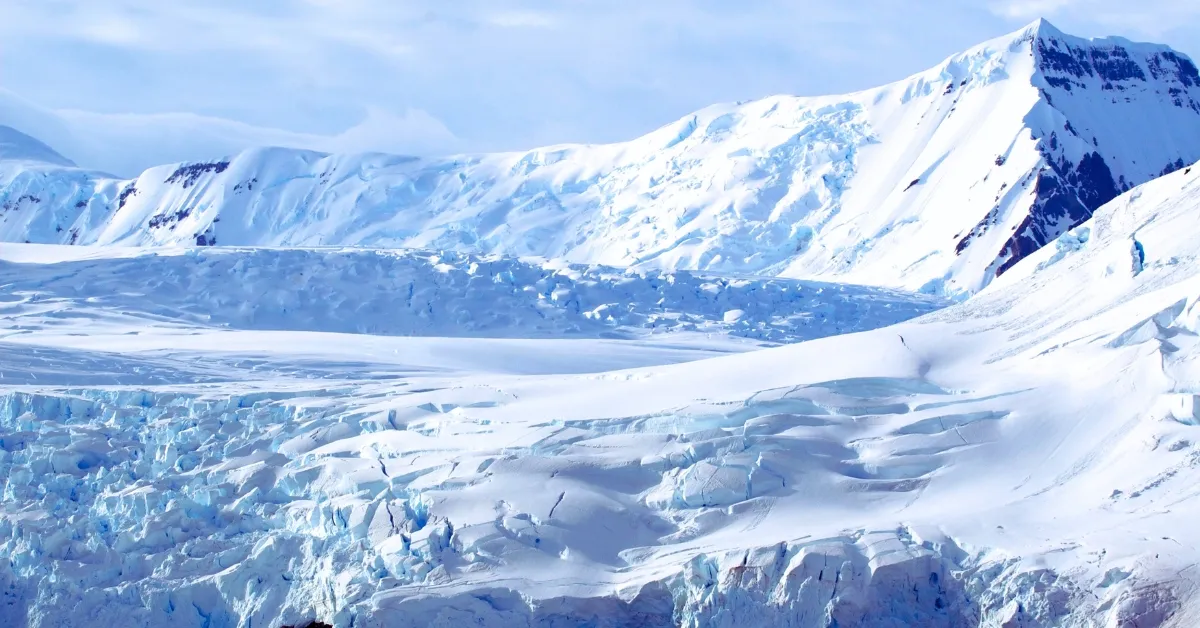
The source of the Brahmaputra River is the Angsi Glacier in Burang County, Tibet. While older records often pointed to the nearby Chemayungdung Glacier, modern satellite technology has confirmed Angsi as the true origin. Starting at a staggering altitude of over 5,000 metres near the sacred Mount Kailash, the river begins its journey as the Yarlung Tsangpo.
| Feature | Tibet (China) | India | Bangladesh |
| Local Name | Yarlung Tsangpo | Brahmaputra / Siang | Jamuna |
| Approx. Length | 1,625 km | 916 km | 337 km |
| States/Regions | Tibet Autonomous Region | Arunachal Pradesh, Assam | Mymensingh, Dhaka |
| Key Landmark | Yarlung Tsangpo Canyon | Majuli Island | Confluence with Padma |
It flows eastward across the Tibetan plateau before making a dramatic "U-turn" to enter India through Arunachal Pradesh, where it is known as the Siang or Dihang. It then moves through the vast plains of Assam, gaining massive width and volume. Finally, the river enters Bangladesh as the Jamuna, merges with the Ganges, and empties into the Bay of Bengal.
10+ Lesser-Known Facts About the Brahmaputra

- In a land where most rivers have female names, Brahmaputra stands out with a masculine name meaning "Son of Brahma".
- It is often called the "Red River" because the high iron content in the soil turns the water reddish during the monsoon.
- It houses Majuli, recognised as the largest river island in the world.
- Before entering India, the Yarlung Tsangpo Grand Canyon carves through the Himalayas, which are even deeper than the famous Grand Canyon in the USA.
- It is one of the few rivers in the world that experiences a "tidal bore", where an incoming ocean tide creates a wave that travels upstream.
- It is a "braided river", meaning its channels are constantly shifting, making it a nightmare for mapmakers.
- Since it flows at an average altitude of 4,000 metres in Tibet, it is often called the "highest major river in the world".
- The river is a critical habitat for the endangered **One-Horned Rhinoceros** and the rare Gangetic Dolphin.
- Geologists believe the river is older than the Himalayan mountains themselves!
- It is the only river in the region to change its name three times: Tsangpo (Tibet), Brahmaputra (India), and Jamuna (Bangladesh).
What Are the Tributaries of the Brahmaputra River?
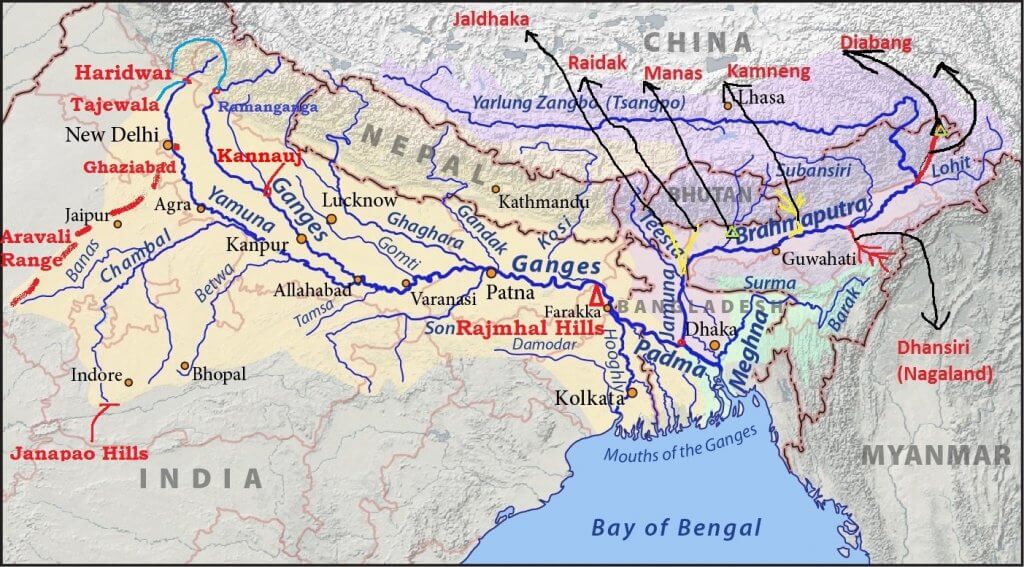
The Brahmaputra River has a massive and complex network of tributaries. Because the river flows through a deep valley, it receives water from both the northern Himalayan ranges and the southern hills. These are typically divided into the Right Bank (flowing from the north/Himalayas) and the Left Bank (flowing from the south/hills).
1. Right Bank Tributaries (North Bank)
These rivers mainly originate in the high Himalayas and are snow-fed, meaning they have water year-round.
- Subansiri: The largest tributary of the Brahmaputra. It is known as the "Gold River" because of its gold dust.
- Kameng: Originates in Arunachal Pradesh and is famous for its swift, white-water rapids.
- Manas: A transboundary river that flows through Bhutan and Assam.
- Sankosh: This river forms the border between the states of Assam and West Bengal.
- Teesta: A major river that starts in Sikkim. It joins the Brahmaputra (Jamuna) in Bangladesh.
2. Left Bank Tributaries (South Bank)
These rivers are mostly rain-fed and originate from the Naga Hills, the Patkai Range, and the Meghalaya plateau.
- Lohit: Known as the "River of Blood" due to its reddish laterite soil. It joins the river in Arunachal Pradesh.
- Dibang: A mighty mountain river that meets the mainstream at the head of the Brahmaputra valley.
- Dhansiri: The main river of the Golaghat district in Assam; it passes through the famous Kaziranga National Park.
- Burhi Dihing: A major south-bank tributary that flows through the coal- and oil-rich areas of Upper Assam.
- Kopili: The largest south-bank tributary in Assam, it is an essential source of hydroelectric power.
Comparison of Tributary Types
| Feature | North Bank (Right) | South Bank (Left) |
| Source | Himalayan Glaciers (Snow-fed) | Southern Hills (Rain-fed) |
| Flow Speed | Very fast with steep slopes | Generally slower with flatter grades |
| Silt Load | Very high (causes heavy flooding) | Comparatively lower silt |
| Nature | Flashy floods during the monsoon | Deep meandering channels |
The river's path is distinct, as it winds through three very different ecological areas. It kicks off way up in the chilly, high-altitude deserts of Tibet, then drops down into the thick, tropical jungles of Arunachal Pradesh. After that, it fans out over the rich, fertile floodplains of Assam and Bangladesh. Because of this shift in landscapes, it ends up being one of the most varied river systems you'll find anywhere on Earth.





Comments
All Comments (0)
Join the conversation