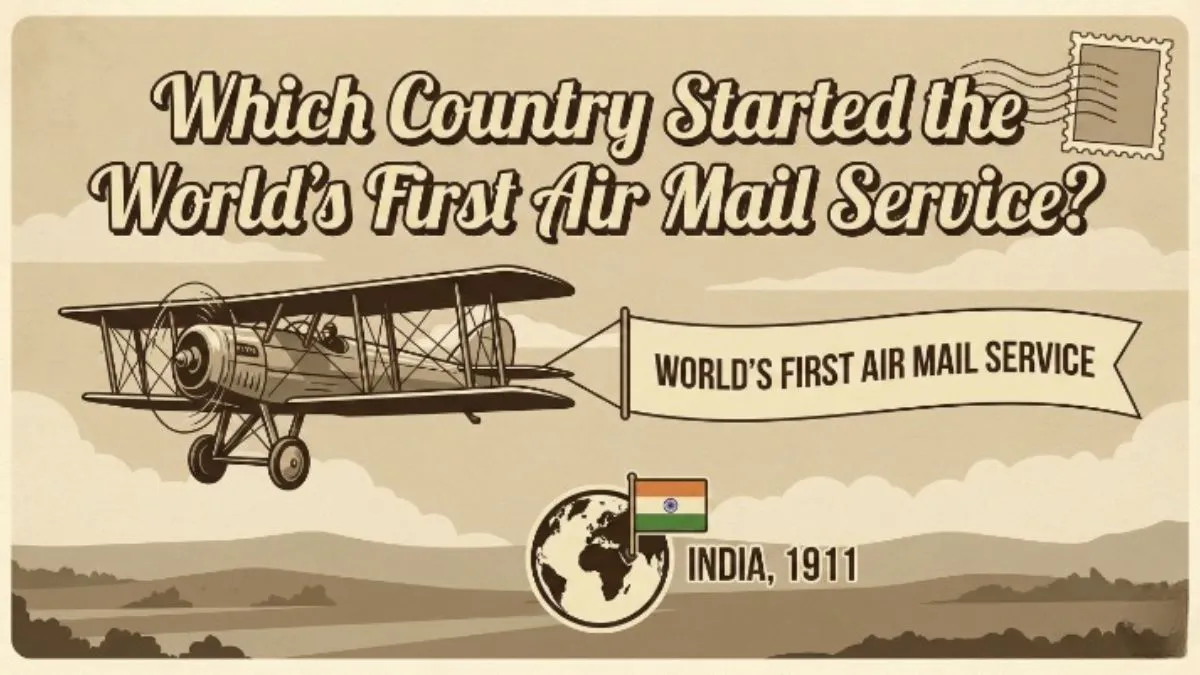
Mail service is the service of physically transporting postcards, packages and letters (mail/post) sent by a sender to the recipient, which can be by public postal operators or private companies, consisting of collection, sorting, and delivering, by various means. The history of technology has influenced the development of international communication with a number of breakthroughs, and the process of the introduction of the first official air mail service in the world took one of the leading positions.
Since the turn of the 20 th century, even the earliest flight was taken to prove how it was possible to deliver messages faster than any rail or road-system. This historical event did not only demonstrate the potential possibilities of air transportation, but also established the basis of modern postal logistics.
Let’s understand where and how the first air mail service began, which provides valuable insight into the pioneering spirit that transformed communication worldwide.
Source: stampssa.africa
Which Country Started the World’s First Air Mail Service?
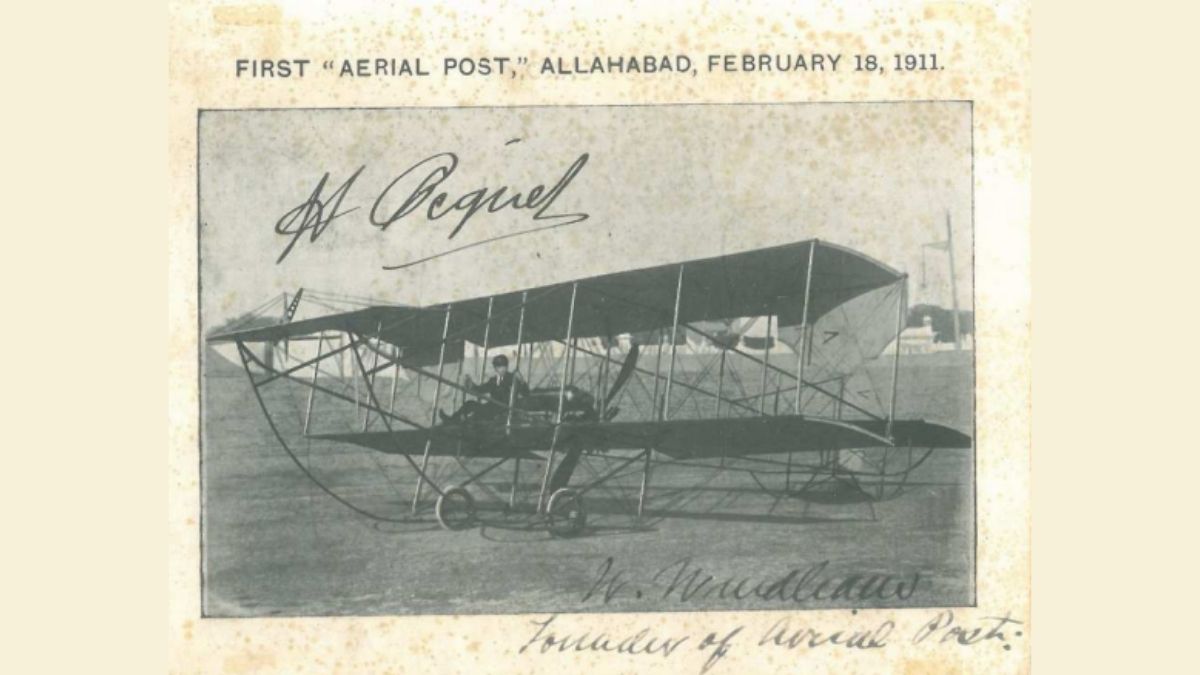
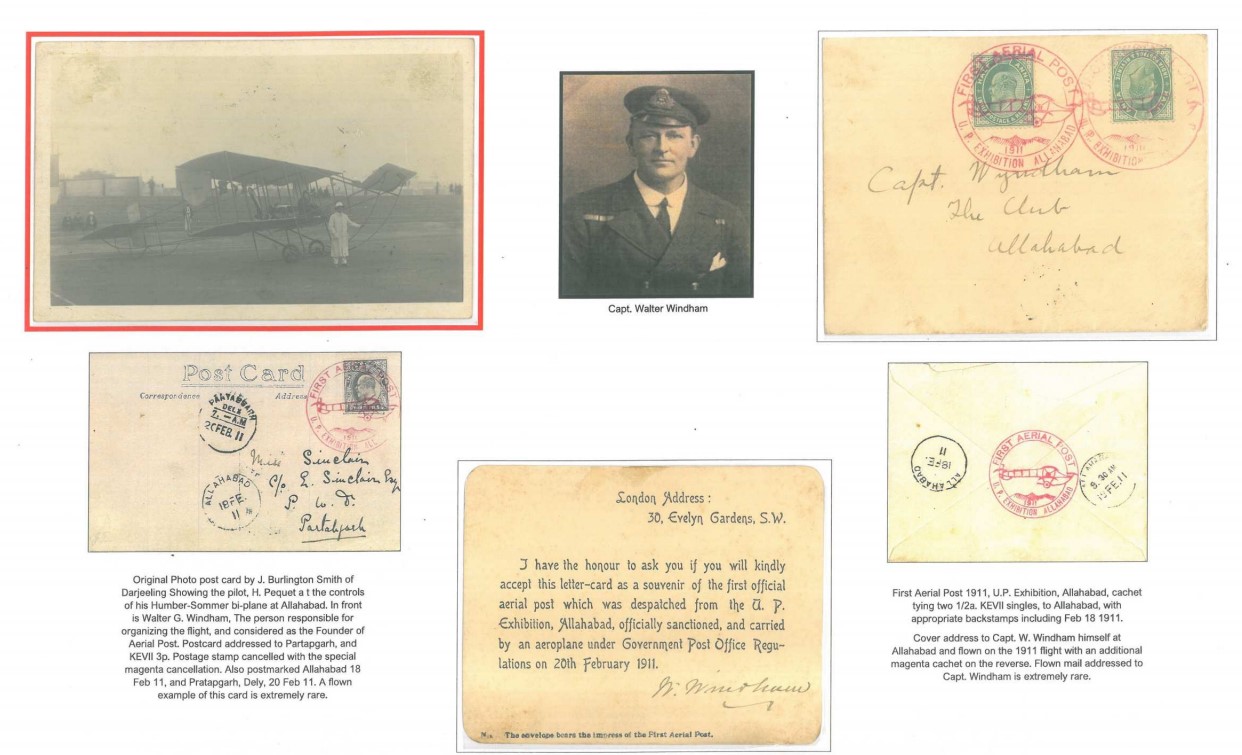
The world’s first official Air Mail Service was started by India. This historical landmark was experienced on 18 February in 1911 when Britain was in power. French pilot Henri Pequet used a Humber biplane to transport 6, 500 letters to Naini (then Allahabad) nine miles in five minutes to raise money in support of charity in the Maha Kumbh Mela. It was a historic occurrence with special postmarks of First Aerial Post which initiated airmail services and aviation in India.
Key Details:
| Fact | Detail |
| Date | 18 February 1911. (Press Information Bureau) |
| Location | Allahabad (Prayagraj) to Naini (United Provinces, British India). (Press Information Bureau) |
| Pilot | Henri Pequet (French aviator). (National Postal Museum) |
| Aircraft | Humber-Sommer biplane (small, early biplane). |
| Mail carried | ~6,500 letters and postcards. (Press Information Bureau) |
| Flight distance | ≈10–13 km (5–8 miles); flight time about 10–15 minutes. (Guinness World Records) |
Source: stampssa.africa
Why this was Historically Significant?
-
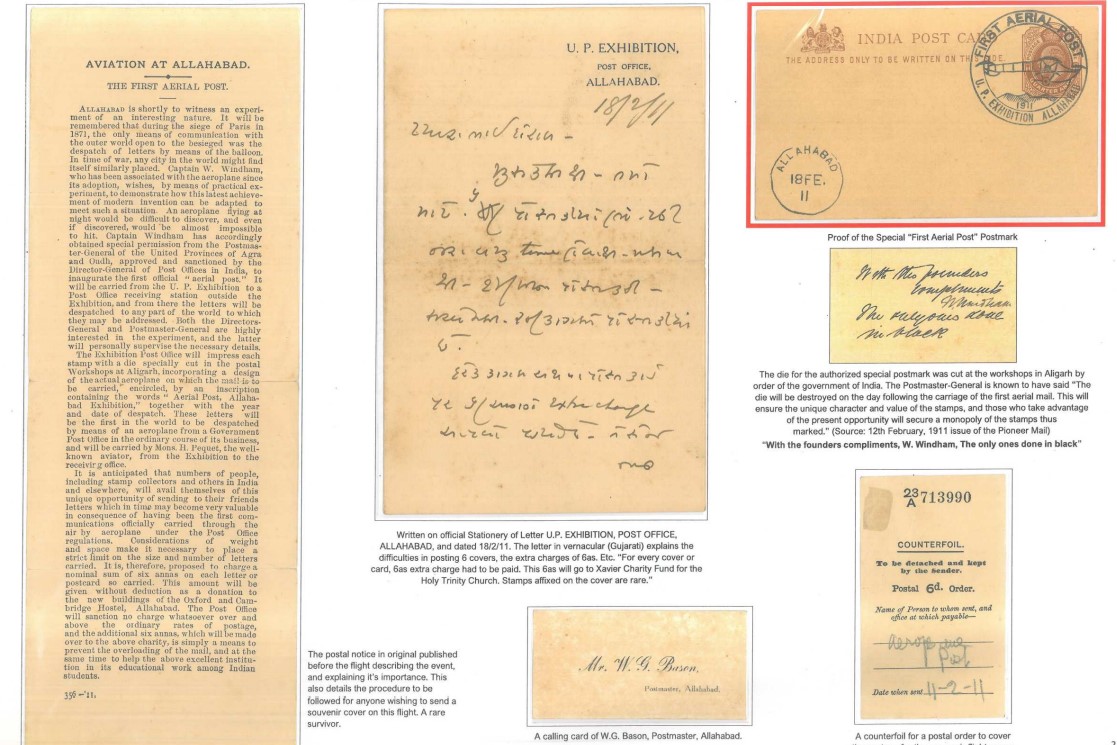
First official government-recognised airmail: Earlier balloon and experimental flights had carried messages, but the 1911 Allahabad flight was organised with postal authority involvement and formal cancellation marks—setting the standard for official airmail.
-
Proof of practical utility: The experiment demonstrated that planes could also be used everyday as postal, not necessarily, on exhibitions or military purposes. This field experiment prompted the governments and the postal services to schemealong formal routes.
-
Global ripple effect: Over a few years, other countries such as the UK, France, Germany and the USA extended airmail tests to regular services which finally led to international airmail networks.
Source: stampssa.africa
Timeline
-
Before 1911: Balloons and novelty flights occasionally conveyed mail, but no officially authorised aeroplane airmail existed.
-
18 Feb 1911: Henri Pequet flies mail from Allahabad to Naini; ~6,500 items carried.
-
1912–1920s: Rapid expansion of airmail experiments and establishment of scheduled routes in several countries.
Conclusion
The 18 February 1911 Allahabad–Naini flight, flown by Henri Pequet, stands as the world’s first officially recognised airmail service. Small in distance but immense in impact, it proved aviation’s value to postal systems and helped spark the global development of airmail routes that underpin today’s fast worldwide communication.

-1765558143278.jpg "GK Quiz on Indian Rupee")



Comments
All Comments (0)
Join the conversation