Harbinger of Spring: Since ancient times, people from numerous cultures have turned to nature for the indication of seasonal change.
Before the weather-predicting technologies that we have today, many communities would look at any specific birds to mark the arrival or departure of winter, to signify when warmer weather was on its way.
Birds have also served as a prominent natural indicator of seasonal change due to their easily identifiable migration routes, as well as their visible differences in behaviour.
One such bird is commonly seen searching for food as it hops around people's yards in the spring and is considered to be one of the first signs that the long winter has passed.
It was also one of the first birds people saw returning after months of cold weather.
Because this bird is so frequently seen during the transition from winter to spring, many people have forged a connection between this bird and the arrival of spring.
This bird has also been given a specific nickname, “The Harbinger of Spring”.
READ | Which Bird is Known as the King of Birds?
Which bird is known as the harbinger of spring?
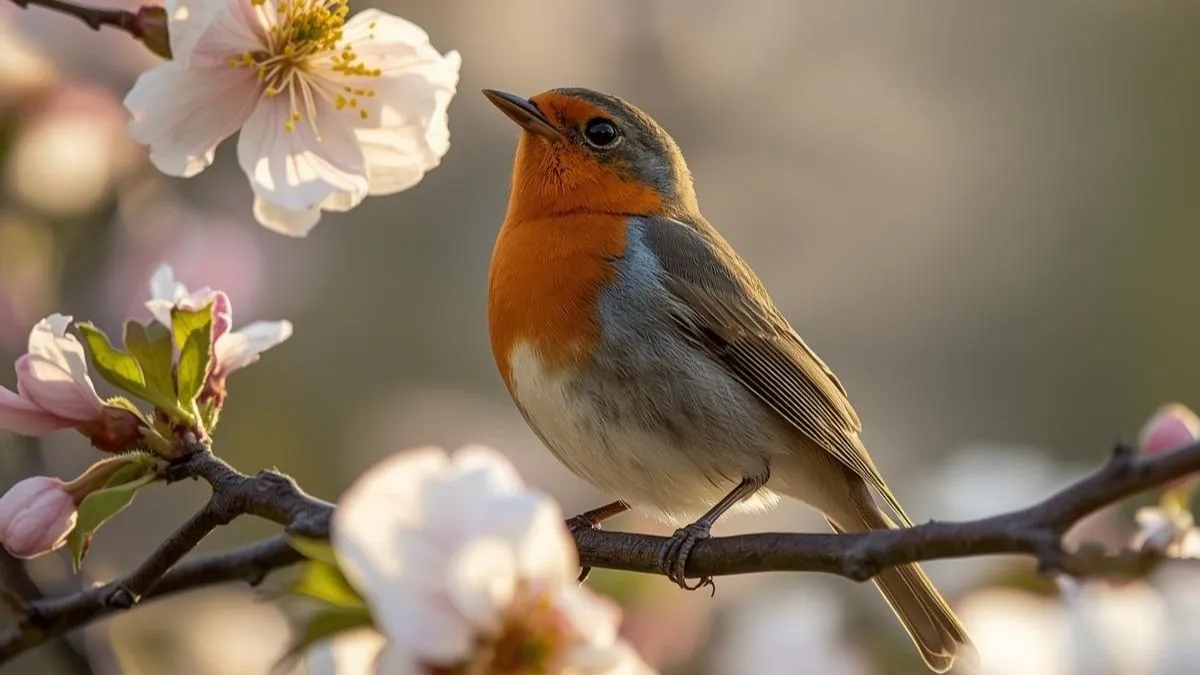
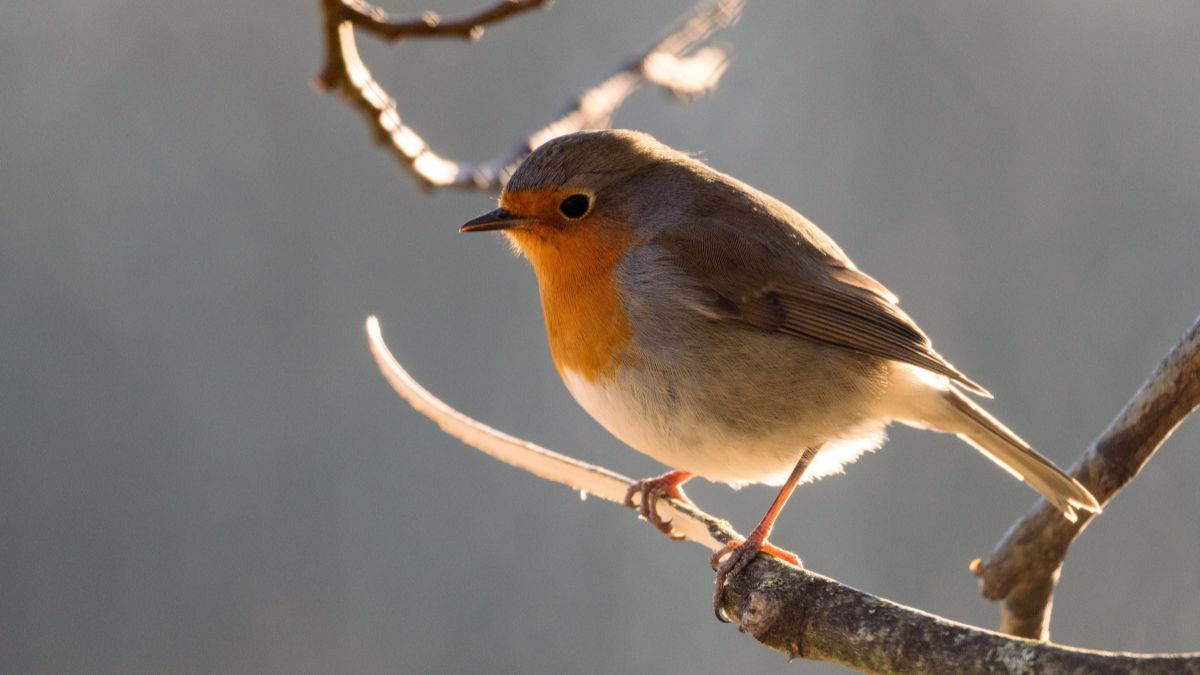
The American robin is commonly known as the harbinger of spring, especially in North America. It belongs to the thrush family and is easily identified by its reddish-orange breast, gray-brown back, and clear, melodious song.
Why is the American robin called the harbinger of spring?
The main reason behind American Robins getting this famous name is that when winter begins to fade, robins are the first birds to appear in open spaces, lawns, and gardens.
Historically, robins migrate to south in large flocks during autumn to escape harsh winter conditions. Their return northward in late winter or early spring is because of rising temperatures, melting snow, and the reappearance of insects and earthworms.
This behaviour made the robin a natural seasonal marker for farmers, gardeners, and nature observers.
Meanwhile, according to recent observations, some American Robins no longer migrate as far south as they once did. Many now remain in northern states and even parts of southern Canada during winter, especially where food and open water are available.
Despite this shift, large numbers of robins remain more visible as spring approaches, and their increased activity continues to signal a seasonal transition.
Interesting Facts About American Robin
Let’s have a look at some of the interesting and unique facts about the robin birds:
-
The American robin's eggs are a beautiful, unspotted sky blue. The color is so iconic that it has inspired the trademarked ‘Tiffany Blue’ used by Tiffany & Co.
-
Robins can actually become intoxicated if they eat berries that are fermented on the vine, especially after a late-season frost.
-
The American Robin is often the very first bird to start singing in the morning, sometimes beginning an hour before sunrise, and this is known as ‘Dawn chorus.’
-
A single robin can eat up to 14 feet of earthworms in a single day.
-
As adults, robins’ magnetic compass only works in their right eye; if that eye is covered, they will lose their way.
The American robin remains the bird most widely known as the harbinger of spring. Even after modern climate patterns have influenced its migration habits, its historical significance and seasonal behaviour continue to make it a powerful symbol of renewal and change.
Recommended Reading:





Comments
All Comments (0)
Join the conversation