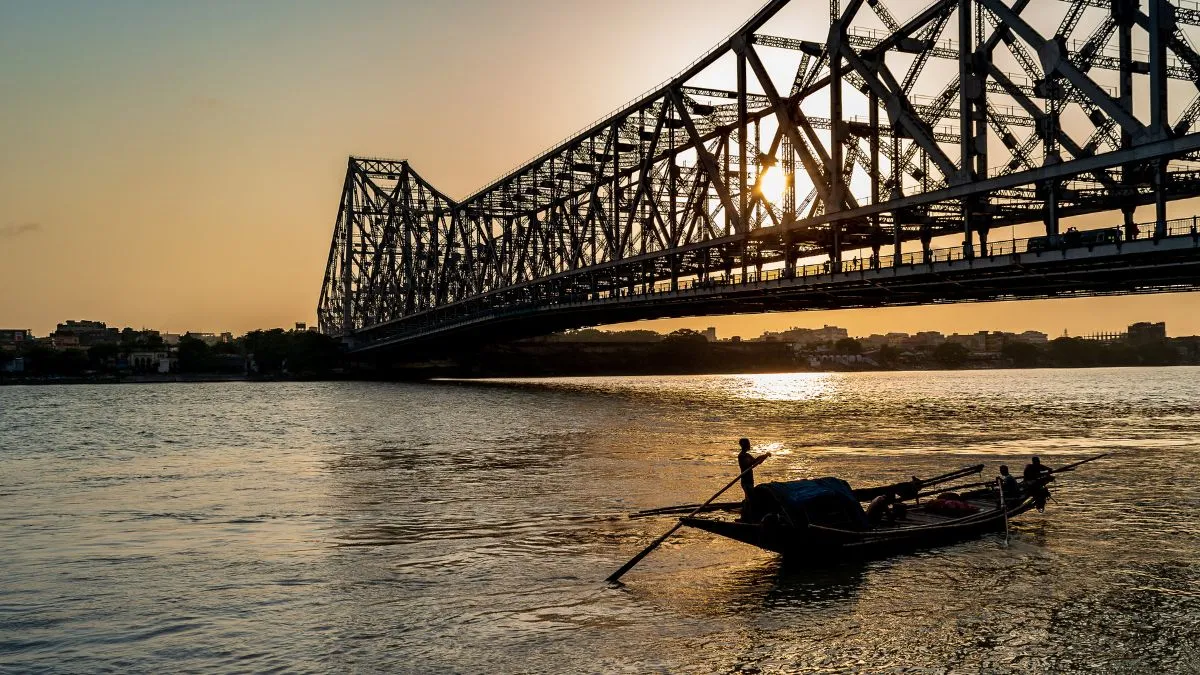
Gift of Kashmir: The Jhelum River is known as the Gift of Kashmir because it is the lifeline of the Kashmir Valley and plays a crucial role in its geography, agriculture, economy, transportand daily life. Flowing through the heart of the valley, the Jhelum has shaped Kashmir’s fertile plains, settlements and cultural development for centuries.
Why the Jhelum River Is it Called the Gift of Kashmir?
The Jhelum River is called the Gift of Kashmir because it supports irrigation, agriculture, fisheries, drinking water supply, and transport across the Kashmir Valley. The river deposits fertile alluvial soil, helps regulate water availability, and sustains livelihoods, making it indispensable to the region’s survival and prosperity.
Origin of the Title Gift of Kashmir
The title Gift of Kashmir emerged from the river’s vital contribution to the valley’s natural beauty and human settlement. Similar to how the Nile is called the Gift of Egypt, the Jhelum earned this title because Kashmir’s fertile land, agriculture and civilisation largely depend on the river’s continuous flow.
Origin and Course of the Jhelum River
The Jhelum River originates from the Verinag Spring at the foothills of the Pir Panjal Range in Jammu and Kashmir. It flows through Srinagar and the Kashmir Valley, enters Pakistan, and later joins the Chenab River, eventually becoming part of the Indus River system.
Location of the Jhelum River Basin
The Jhelum River basin lies mainly in Jammu and Kashmir and extends into Pakistan. In India, it flows through major towns such as Anantnag, Srinagar and Baramulla, forming an essential drainage system for the Kashmir Valley.
Importance of the Jhelum River in Kashmir
The Jhelum River is central to Kashmir’s economy and environment. It supports rice cultivation, horticulture, water transport, hydroelectric projects, and wetland ecosystems. The river also helps regulate floods through its channels and floodplains, although flooding remains a recurring challenge during heavy rainfall.
Tributaries of the Jhelum River
Major tributaries of the Jhelum River include the Lidder River, Sindh River, Vishav River and Pohru River. These tributaries strengthen the river system and provide water from glaciers, springs, and rainfall across the valley.
Jhelum River and Srinagar City
The city of Srinagar developed along the banks of the Jhelum River. The river passes through the city, crossed by several historic bridges and has traditionally served as a transport route for goods and people using boats and shikaras.
Interesting Facts About the Jhelum River
Lifeline of the Kashmir Valley
The Jhelum River is the primary source of freshwater for the Kashmir Valley, supporting agriculture, drinking water needs and daily household use across urban and rural areas.
Forms the Famous Kashmir Plains
The fertile plains of Kashmir were formed by sediments deposited by the Jhelum over thousands of years, making the valley suitable for rice cultivation and horticulture.
Flows Through Dal Lake and Srinagar
The river connects with Dal Lake and flows through Srinagar, enhancing the city’s scenic beauty and playing a key role in tourism and local transport.
Part of the Indus River System
The Jhelum is an important tributary of the Indus River system, linking Kashmir’s water resources to a larger transboundary river network.
Historically Important Trade Route
Historically, the Jhelum served as a major inland waterway for trade, communication and movement of goods before the development of modern road networks.
Read more: Which River Is Called the Rocky River of India?
The Jhelum River is known as the Gift of Kashmir because it sustains the valley’s agriculture, settlements, economy and natural beauty. Originating from the Verinag Spring and flowing through the heart of Kashmir, the river has shaped the region’s landscape. Keep reading for more such topics.






Comments
All Comments (0)
Join the conversation