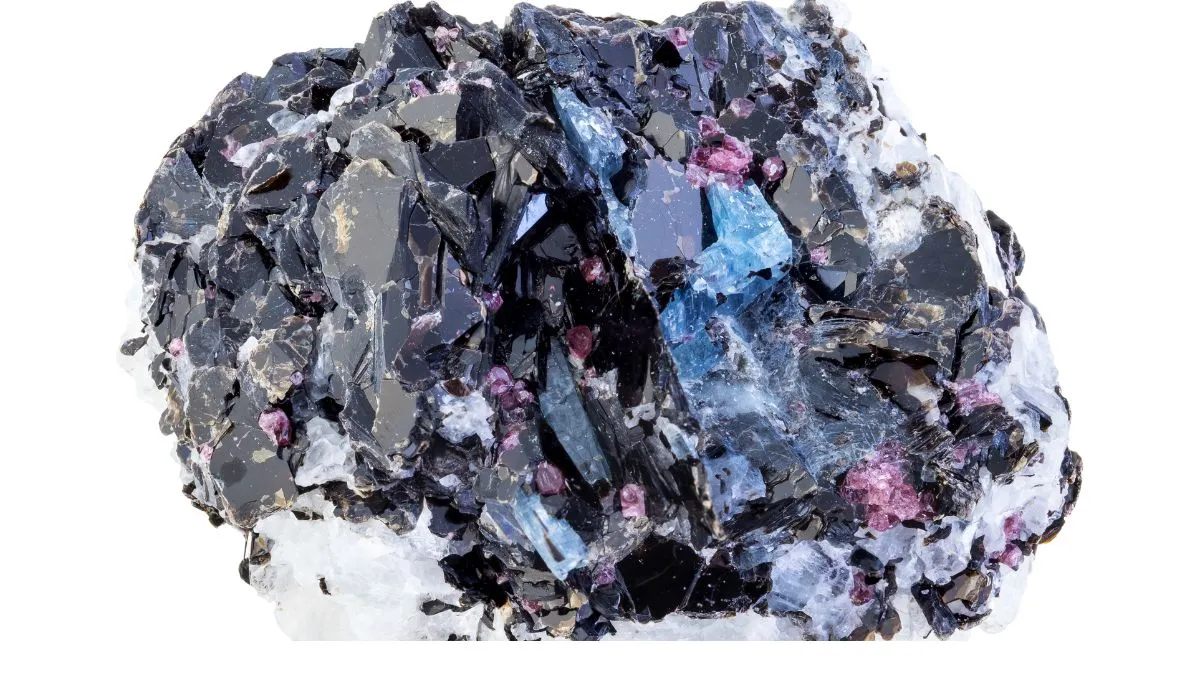
Oldest Rocks on the Earth: The Acasta Gneiss is known as one of the oldest rocks on the Earth because it is estimated to be about 4.0 to 4.03 billion years old. The Acasta Gneiss is regarded as the oldest rock on Earth because it dates from the early Archean period and is one of the world's oldest known exposed rock formations.
Why Is Acasta Gneiss Called the Oldest Rock on Earth?
The Acasta Gneiss is known as the oldest rock on Earth because scientific dating methods, such as radiometric isotope analysis, revealed that it formed during the early stages of the Earth's crust. They are important in geological history because their ages correspond to the start of the Earth's cooling and solidification process.
Origin of the Name Acasta Gneiss
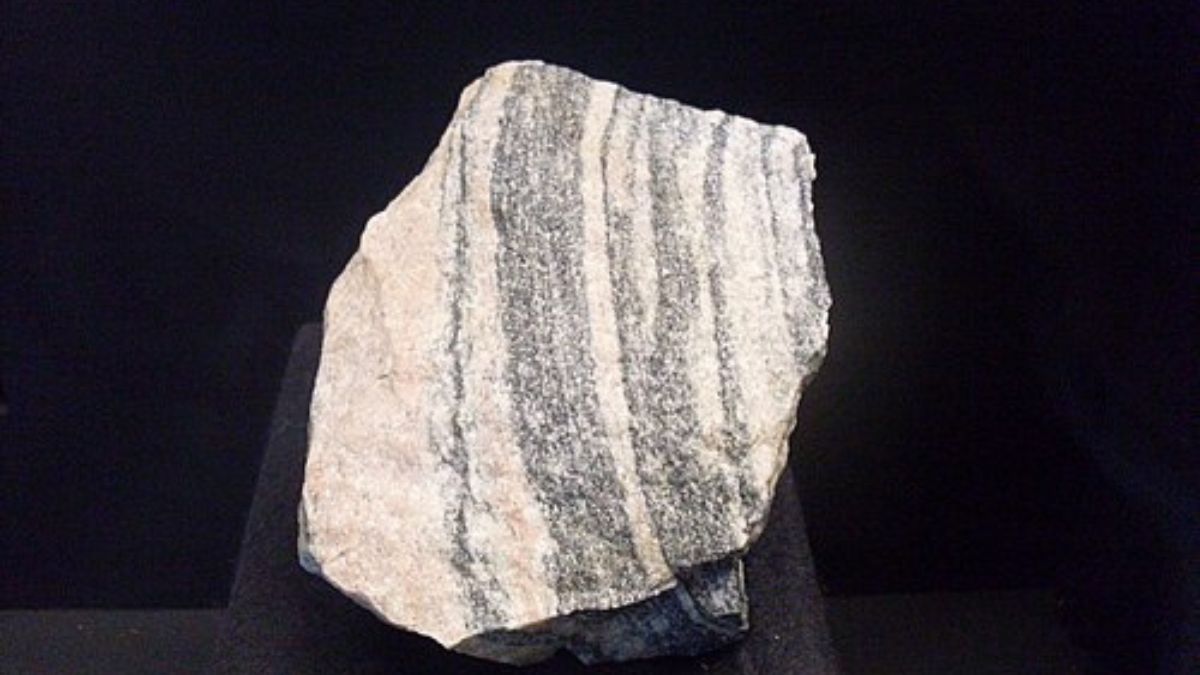
The term 'Acasta Gneiss' refers to the ancient rocks discovered and studied in Canada's Northwest Territories, specifically the Acasta River region. The term "gneiss" refers to the rocks' banded metamorphic structure, which formed after billions of years of intense heat and pressure.
Location of the Acasta Gneiss
The Acasta Gneiss is located in the Canadian Shield, particularly in Canada’s Northwest Territories. The area is a major focus for geologists studying early Earth history because it is known to contain some of the oldest exposed continental crust in the world.
Oldest Minerals on Earth
While the Acasta Gneiss is one of the oldest known rocks, the oldest minerals on Earth are zircon crystals discovered in the Jack Hills region of Western Australia. These zircon minerals are dated to be between 4.3 and 4.4 billion years old, making them older than any known rock formation, despite being preserved as crystals rather than complete rock masses.
Oldest Rock Formations in India
Some of the oldest rocks in India are found in areas like Karnataka, Telangana, Odisha, Jharkhand, and portions of Rajasthan. They are part of the Dharwar Craton and Archaean rock systems. These ancient geological formations are among the oldest continental crust units in the Indian subcontinent.
Interesting Facts About the Acasta Gneiss
Formed During the Early Archean Era
The Acasta Gneiss formed more than 4 billion years ago, during a period when the Earth was still cooling from its molten state and stabilising into a solid crust.
Among the Oldest Exposed Rocks in the World
These rocks are part of the exposed continental crust, meaning they are visible on the Earth’s surface and not buried deep beneath younger rock layers.
Shaped by Extreme Heat and Pressure
Over billions of years, the rocks underwent intense metamorphism, which created their layered and banded gneiss structure seen today.
A Key Source of Geological Evidence
The Acasta Gneiss provides valuable scientific clues about early plate movement, crust formation and the primitive conditions of the Earth’s surface.
Often Compared With Jack Hills Zircons
While Acasta represents some of the oldest rocks, the even older Jack Hills zircons are considered the oldest surviving minerals, offering insight into an even earlier stage of Earth’s history.
Read more: Which Is The Oldest Spice In The World?
The Acasta Gneiss is known as one of the oldest rocks on the Earth because it is estimated to be over 4 billion years old and represents some of the earliest formed continental crust. Keep reading for such topics.





Comments
All Comments (0)
Join the conversation