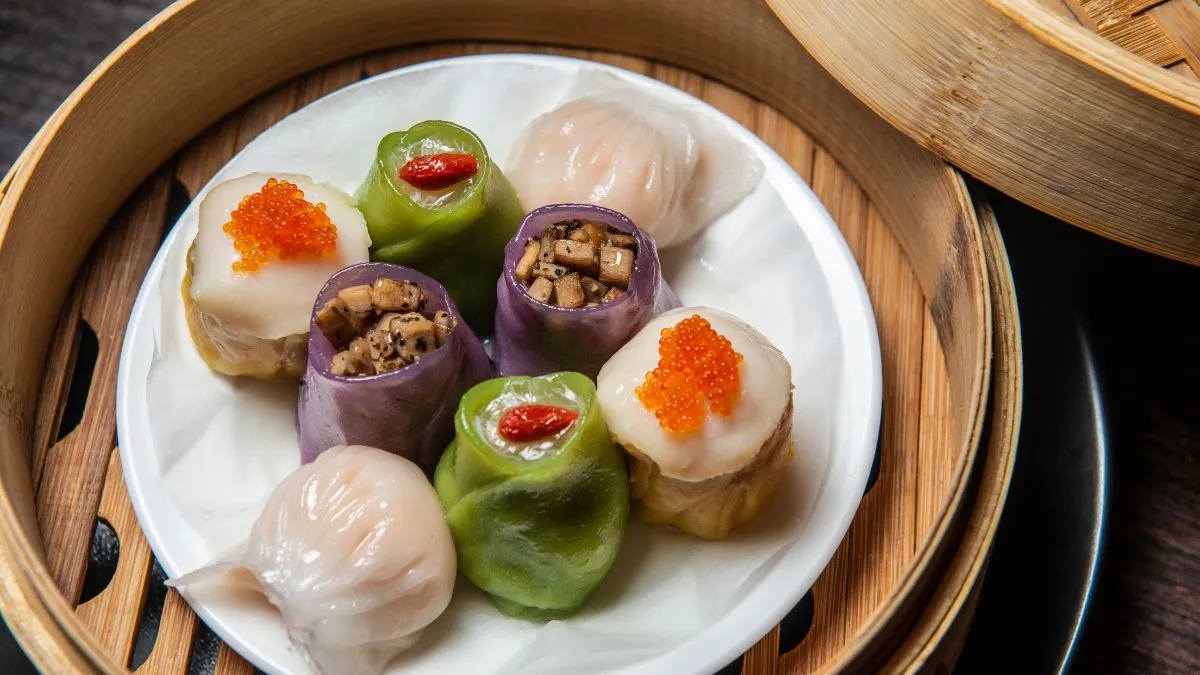
Momo and dim sum are among the most popular dumpling-style foods across Asia. Both dishes include fillings wrapped inside dough and cooked using different techniques. They are widely served in restaurants and street food markets. Although they appear similar, their preparation styles and cultural origins differ significantly. Understanding these differences helps identify their unique characteristics.
Origin of Momo
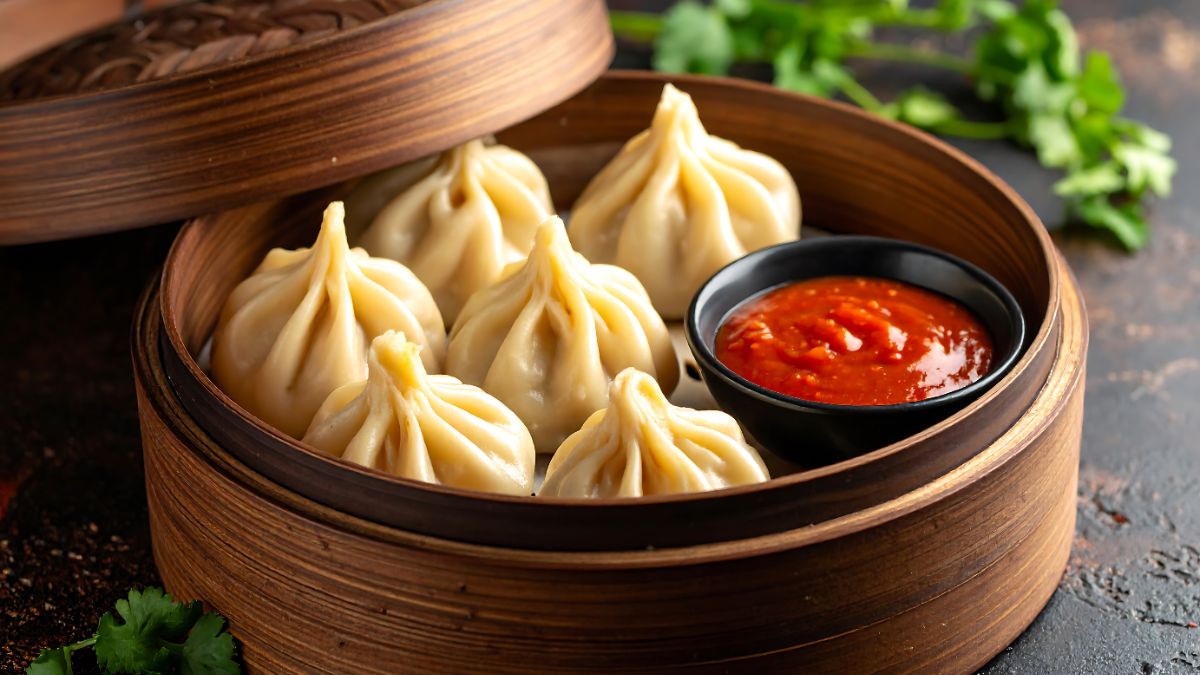
Momo originated in Nepal and Himalayan regions such as Sikkim and Arunachal Pradesh in India. It was influenced by Tibetan cuisine. Momos became popular due to their simple ingredients and filling taste. Street vendors widely sell momos in many cities. The dish spread rapidly across urban regions.
Origin of Dim Sum
Dim sum originated in China, especially in Guangdong Province. It refers to a variety of small dishes served together. Dim sum is traditionally served with tea. Restaurants prepare multiple varieties at the same time. The cuisine became popular internationally due to migration and trade.
Types of Momos
Steamed momos are the most common type and are served hot with chutney. Fried momos have a crispy outer layer due to frying. Tandoori momos are cooked using high heat in ovens. Chocolate momos are sweet versions prepared with dessert fillings. These variations show how momo recipes evolved over time.
Types of Dim Sum
Dim sum includes dumplings, buns and rolls. Shrimp dumplings and steamed buns are common types. Some varieties include sticky rice wrapped in leaves. Many dim sum dishes are cooked in bamboo steamers. Each type has unique shapes and flavours.
Key Differences Between Momo and Dim Sum
Momo refers to a specific dumpling type. Dim sum includes multiple small dishes. Momos are commonly served with spicy chutney. Dim sum is usually served with tea. Cooking methods differ based on regional tradition.
Interesting Facts About Momo and Dim Sum
Momos Became Popular in India in Recent Decades
Momos spread widely in cities such as Delhi and Gangtok. Street vendors played a major role in increasing popularity. Urban demand led to many new momo varieties. Restaurants began including momos in menus.
Dim Sum Is Traditionally Served During Tea Time
Dim sum meals are commonly eaten during morning or afternoon tea sessions. Multiple dishes are served together. Small portions allow variety in meals. Tea enhances flavour balance.
Steaming Is the Most Common Cooking Method
Steaming helps retain moisture in fillings. This method prevents food from becoming dry. It also reduces oil usage. Steamed dishes remain soft and juicy.
Different Shapes Represent Different Fillings
Some dumplings are folded into round shapes. Others are pleated to seal fillings. Shape helps identify the type of filling. Visual appearance is important in presentation.