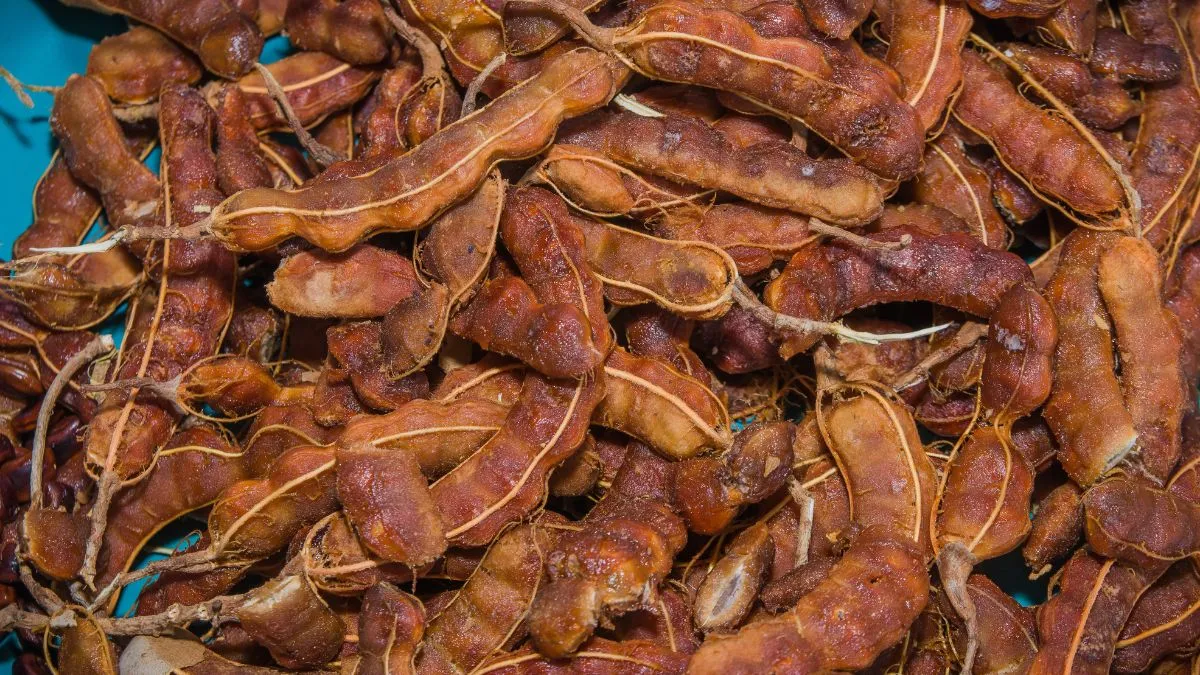
Tamarind is a tropical fruit widely used in Indian cooking for its sour flavour and preservative properties. It is commonly added to curries, chutneys and beverages to enhance taste. Tamarind trees grow best in regions with warm temperatures and moderate rainfall. India has several states that cultivate tamarind for both local consumption and export. Among these states, one contributes the largest share of national production.
Largest Producer of Tamarind in India
Tamil Nadu is the largest producer of tamarind in India. The state’s warm climate and dry regions provide suitable conditions for tamarind tree growth. Tamarind cultivation is common in rural districts where dryland farming is practised. Farmers often grow tamarind trees along field boundaries due to their long lifespan and low maintenance needs. The harvested fruit is processed into pulp and sold in domestic and export markets.
-1776826850295.jpg)
Major Tamarind Producing States in India
Apart from Tamil Nadu, states such as Karnataka, Andhra Pradesh and Maharashtra also produce significant quantities of tamarind. These states have tropical and semi-arid climates suitable for tamarind cultivation. Tamarind production in these regions supports rural livelihoods. The fruit is often sold in both raw and processed forms. Some states also produce tamarind-based packaged food products.
India Is One of the Largest Tamarind Producers Globally
India contributes a major share of global tamarind production due to its large cultivation area. The fruit is widely used in both domestic cooking and food processing industries. Tamarind pulp is exported to several countries in Asia and the Middle East. The export demand has increased due to the growing popularity of Indian cuisine worldwide.
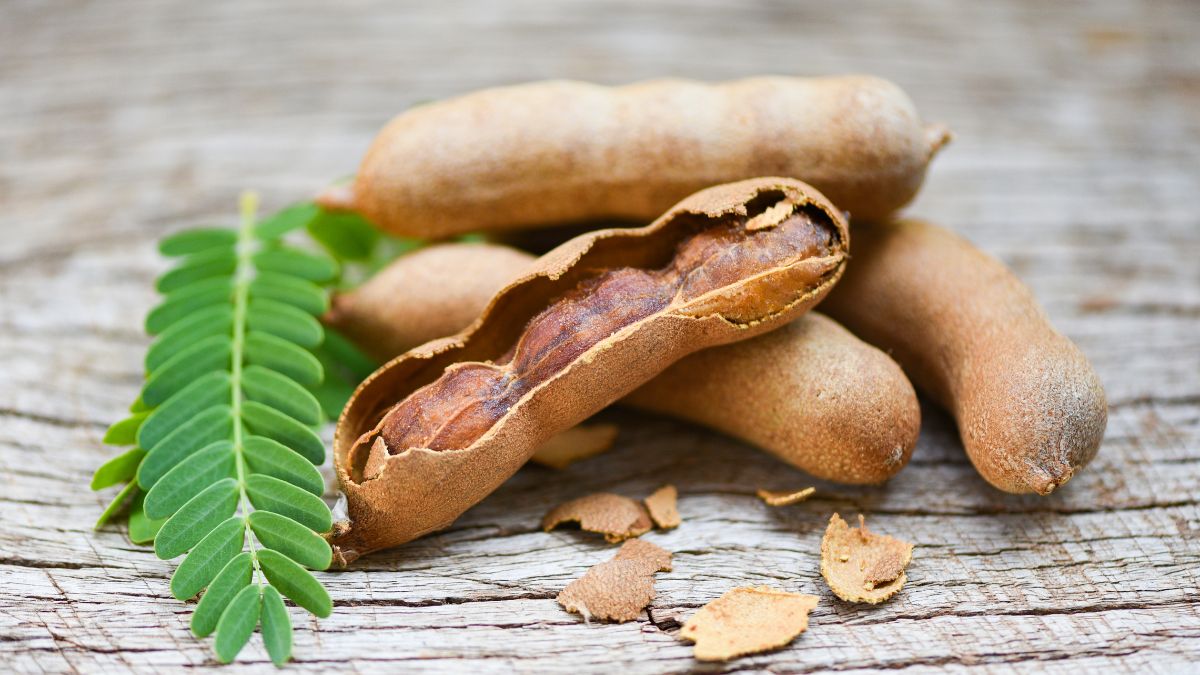
Interesting Facts About Tamarind Production
Tamarind Trees Have Long Lifespans
A tamarind tree can live for more than 100 years, making it one of the longest-living fruit trees. Mature trees produce large quantities of pods annually. Due to their durability, tamarind trees are commonly planted along roads and farm boundaries. Their deep root systems allow them to survive drought conditions.
Tamarind Is Used in Many Regional Dishes
Tamarind is a key ingredient in dishes such as Sambar and Rasam in southern India. It is also used in chutneys, sauces, and street foods across different states. Tamarind water is sometimes used as a base for tangy beverages. Its sour taste balances spicy flavors in many recipes.
Tamarind Pulp Has Natural Preserving Properties
The acidic nature of tamarind pulp helps slow down bacterial growth in certain foods. This property allows it to act as a natural preservative in chutneys and sauces. Tamarind paste can be stored for extended periods without spoilage when properly processed. Its preservative qualities make it useful in traditional food storage methods.