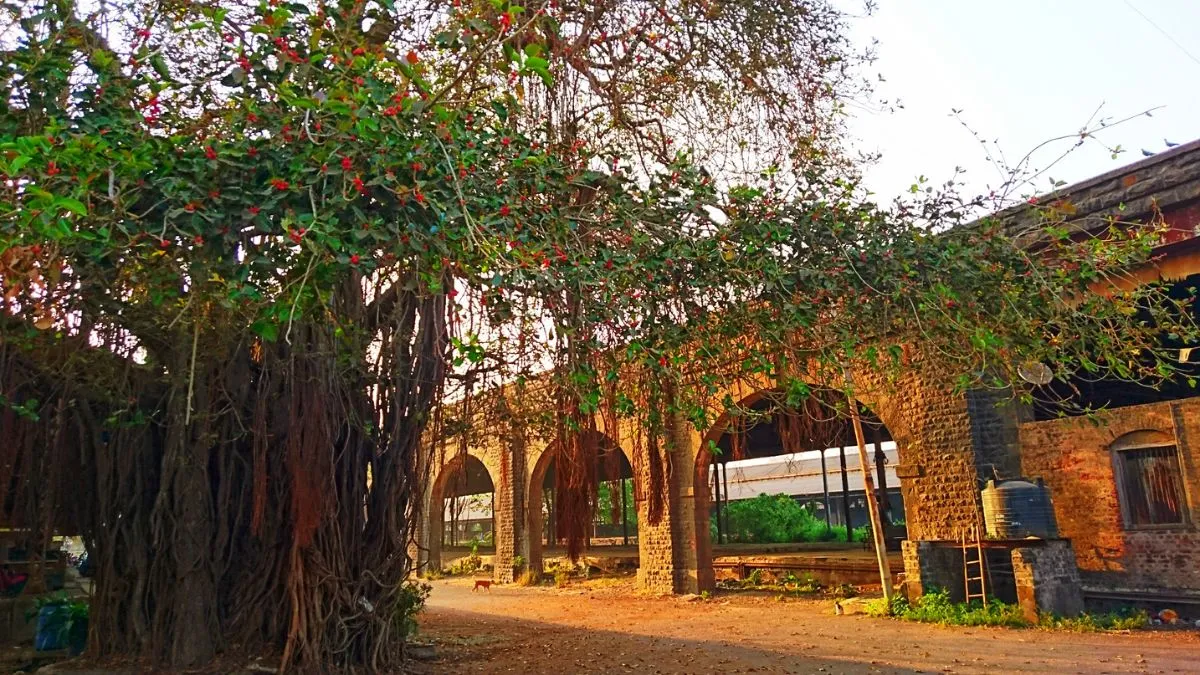
For centuries, this giant tree has stood silently across villages, temples and public spaces, witnessing generations come and go. With its massive spread, countless trunks and deep-rooted presence in culture and ecology, it raises curiosity about why this tree is honoured with a royal title. Keep reading to know which tree is called the King of Trees.
Why Is This Tree Called the King of Trees?
The Banyan Tree is known as the King of Trees because of its enormous size, exceptional lifespan, and unique ability to expand endlessly through aerial roots. It dominates the landscape wherever it grows and provides shelter, food, and shade to countless living beings, earning its royal status among trees.
Banyan Tree Overview
| Detail | Information |
| Common Name | Banyan Tree |
| Scientific Name | Ficus benghalensis |
| Title | King of Trees |
| National Status | National Tree of India |
| Lifespan | Several hundred years |
| Native Region | Indian subcontinent |
| Tree Type | Evergreen fig tree |
What Is the Scientific Name of the Banyan Tree?
The scientific name of the Banyan tree is Ficus benghalensis. It belongs to the fig family and is known for producing aerial prop roots that develop into additional trunks.
Where Is the Banyan Tree Found?
The Banyan tree is widely found across India, Sri Lanka, Nepal, and Bangladesh. It thrives in tropical and subtropical climates and commonly grows near villages, roadsides, temples, and open plains.
Why Is the Banyan Tree Ecologically Important?
The Banyan tree plays a crucial ecological role by providing food and shelter to birds, insects, mammals, and microorganisms. Its dense canopy regulates temperature, improves air quality, and supports biodiversity.
Cultural and National Importance of the Banyan Tree
The Banyan tree is deeply rooted in Indian culture and mythology. It symbolises immortality, wisdom, and strength and is officially recognised as the National Tree of India, representing unity and resilience.
Interesting Facts About the Banyan Tree
Massive Canopy
The Banyan tree is one of the largest trees in the world by area covered. Its expanding branches and prop roots allow a single tree to occupy several acres, creating the appearance of a forest.
Natural Support System
The tree produces aerial roots that descend from its branches and turn into woody trunks. This natural pillar system enables the Banyan to support its vast horizontal growth.
Extremely Long Lifespan
Banyan trees can survive for centuries. Some ancient Banyan trees in India are believed to be over 200 years old, making them symbols of longevity.
Rich Wildlife Habitat
The tree supports a wide range of wildlife, including birds, bats, insects, and monkeys. Its figs serve as an important food source throughout the year.
National Symbol of Strength
As India’s National Tree, the Banyan represents eternal life, unity, and stability. Its ability to grow continuously reflects cultural values of continuity and endurance.
Read more: Which City Is the Tourism Capital of India?
The Banyan tree is called the King of Trees because of its unmatched size, strength, lifespan, and ecological value. Its presence across India reflects both natural grandeur and deep cultural significance.




Comments
All Comments (0)
Join the conversation