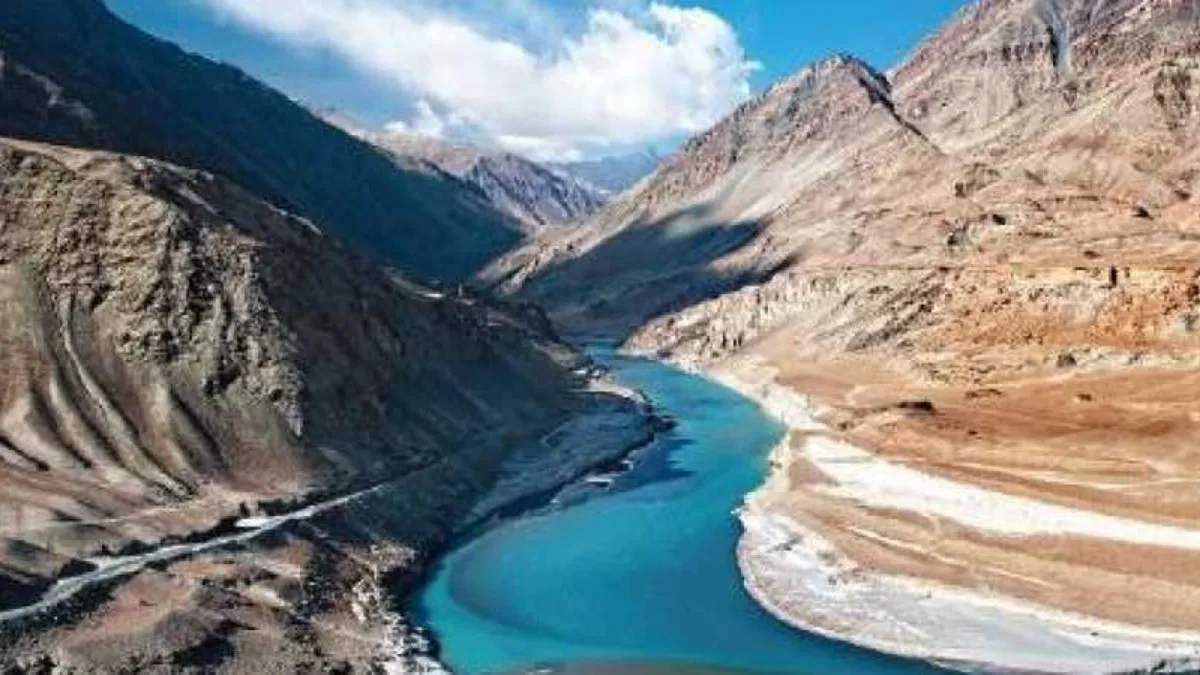
The Brahmaputra River is one of the largest and most important rivers in the world. Do you know that it originated from the Kailash range of the Himalayas in Tibet? It was at an elevation of around 5,300 metres, and flows through India and Bangladesh before emptying into the Bay of Bengal.
Its catchment region measures about 580,000 square kilometers in Tibet, India, Bhutan, and Bangladesh. The river is the fifth largest in the world in regards to its mean discharge, which makes it an important force in hydrological properties. Through this article, you will be learning all the interesting facts about the Brahmaputra River.
1. Origin of the Brahmaputra
The river begins high in the Kailash range of the Himalayas, at an elevation of around 5,300 metres in Tibet. Locally, it is known as the Yarlung Tsangpo before entering India. From its mountainous origin, it travels over 2,900 kilometres before meeting the Bay of Bengal.
2. Vast Catchment Area
The Brahmaputra basin spans an impressive 580,000 square kilometres across China, India, Bhutan, and Bangladesh. In India alone, it drains nearly 195,000 square kilometres, covering states such as Assam, Arunachal Pradesh, Meghalaya, Nagaland, Sikkim, and West Bengal.
3. Width of the River
The average width of the river in the Brahmaputra Valley is about 5.46 kilometres. It expands to a much-wider floodplain in some reaches, particularly during monsoon floods. It is one of the widest rivers of India.
4. Unique Braided Nature
As the river enters Assam, its slope flattens dramatically. This causes it to form multiple channels, creating a braided river pattern. These channels shift frequently, depositing sediment and forming sandbars across the valley.
5. Tributaries Add Power
The Brahmaputra River has more than 30 important tributaries. The tributaries of the Brahmaputra River on the north side, such as the Subansiri and the Dhansiri, carry high silt. The south-side tributaries of the Brahmaputra, such as the Manas and Kopili, have a slow current and hence influence the ecology.
Check Out:
6. Monsoon and Floods
Are you aware of the fact that the Brahmaputra is notorious for its floods? It receives 85% rainfall during the South-West monsoon season between May and September. The massive rainfall accompanied by floods in its tributaries often produces catastrophic after-effects.
7. Rich Aquatic Life
The river supports many rare fish species and other aquatic life. Its diverse ecosystem is crucial for local fisheries and contributes to the livelihoods of millions of people in Assam and Bangladesh.
8. Hydro Power Potential
The Brahmaputra has strong slopes in Tibet and Arunachal Pradesh; thus, it is apt for hydroelectric schemes. Many dams and schemes are already under way or proposed to fulfill the demand for energy.
9. Cultural and Economic Importance
Besides its natural significance, the Brahmaputra plays a central role in the culture and economy of Assam. River transport, agriculture, and fishing are deeply linked to its flow and seasonal changes.
10. Global Recognition
The second-longest river in the world by discharge, the Brahmaputra is known globally for its massive discharge, powerful currents, and the fertile valleys that the river sustains. The highly dynamic environment presented by the river makes it one of the most scenic rivers worldwide.
You may also like to read: The Brahmaputra River System, Check Here!
To conclude, Brahmaputra is more than a river, as its a symbol of life, culture, and nature’s power. Whether you are exploring its waters on a map or learning about its ecosystems, this river leaves an unforgettable impression.




-1767987324333.png)
Comments
All Comments (0)
Join the conversation