Show Key Points
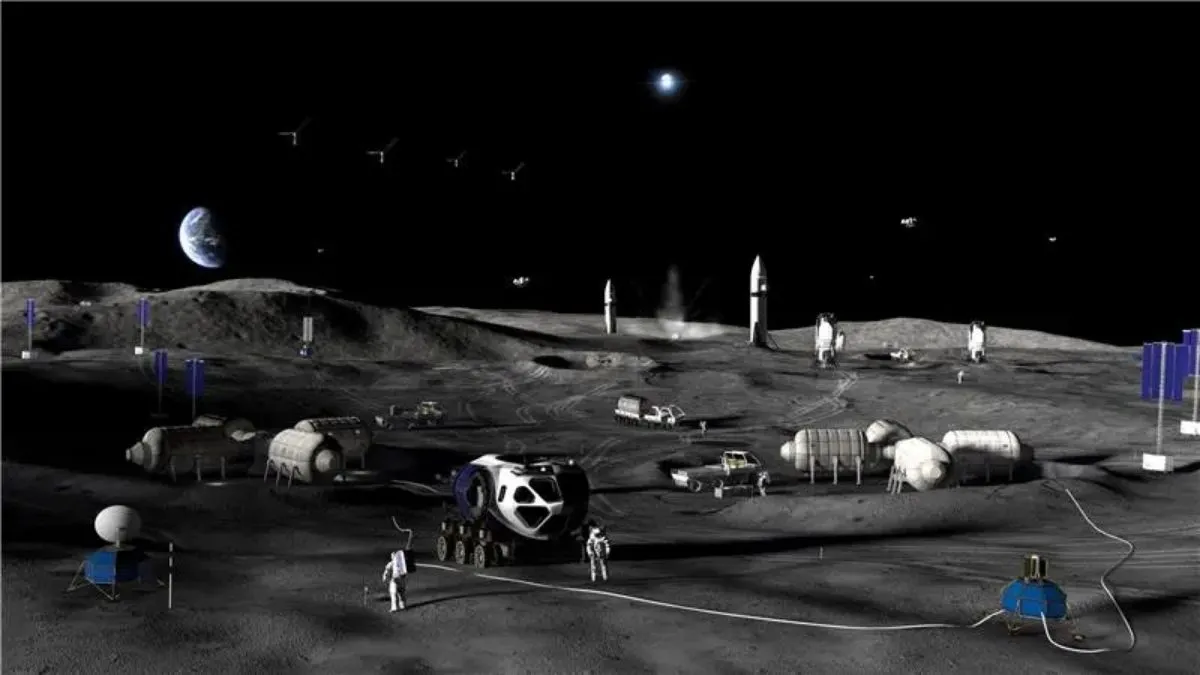
In a historic shift for American space exploration, NASA Administrator Jared Isaacman has unveiled a comprehensive $20 billion roadmap to establish a permanent NASA moon base near the lunar south pole. Moving away from the orbital Gateway station to prioritize immediate surface presence, the agency is now targeting 2028 for the first human landing of the decade via the Artemis IV mission.
This strategic pivot to the surface is meant to keep the U.S. in charge even as competition from other countries grows. NASA wants to turn the Moon from a place where flags and footprints are left into a busy center for scientific discovery and the starting point for the first crewed trip to Mars. They plan to do this by using advanced nuclear propulsion and a fast pace of robotic deliveries.
What are the Three Phases of the NASA Moon Base Roadmap?
NASA's plan to create a permanent presence on the Moon has three main stages of development, each with a different focus on muscle memory and the ability to expand infrastructure:
Phase 1: Build, Test, Learn (2026–2027)
This phase utilizes the Commercial Lunar Payload Services (CLPS) to ramp up robotic missions. NASA plans nearly 30 robotic landings to test power generation, navigation, and the new Lunar Terrain Vehicle (LTV).
Phase 2: Establish Early Infrastructure (2028–2030)
Following the Artemis IV landing, NASA will introduce semi-habitable modules and regular logistics. This stage incorporates the first pressurized rovers, allowing astronauts to explore the resource-rich South Pole for weeks at a time.
Phase 3: Enable Long-Duration Presence (Post-2030)
The final phase transitions to permanent habitats. Using heavy-lift cargo landers, NASA will deliver the Multi-purpose Habitats and large-scale nuclear fission reactors to provide constant power during the 14-day lunar night.
Check Out - National Hurricane Center Unveils Major 2026 Updates: New Forecast Cone and Hawaii Storm Surge Alerts
To build a sustained human presence on the Moon, we are building @NASAMoonBase, prioritizing surface operations and scalable infrastructure.
— NASA Administrator Jared Isaacman (@NASAAdmin) March 24, 2026
- Frequent robotic landings and mobility testing including MoonFall drones
- Starting in 2027 nearly monthly cadence of equipment and… pic.twitter.com/3T00Y450kO
Why is NASA Pausing the Lunar Gateway Project?
The decision to pause the Gateway orbital station in its current form is a tactical move to accelerate surface operations. "We are focusing on the main needle-moving objectives," stated Administrator Isaacman.
By repurposing hardware originally meant for the Gateway, such as power and propulsion elements, NASA can redirect billions of dollars directly into lunar south pole habitats.
This adjustment aligns with the national goal of returning Americans to the lunar surface before the end of 2028, ensuring the U.S. remains the dominant force in the new cislunar economy.
Check Out - Houston Meteor Explosion: NASA Confirms 1-Ton Fireball Hit Texas Sky with Sonic Boom
NASA’s revamped roadmap marks the end of "experimental" lunar visits and the beginning of a permanent American era on the Moon. With the Artemis II crew currently in quarantine for an April 1 launch, the momentum is undeniable. This $20 billion investment secures the foundation for a NASA moon base that will eventually serve as humanity's first true "interplanetary pier" to Mars and beyond.



Comments
All Comments (0)
Join the conversation