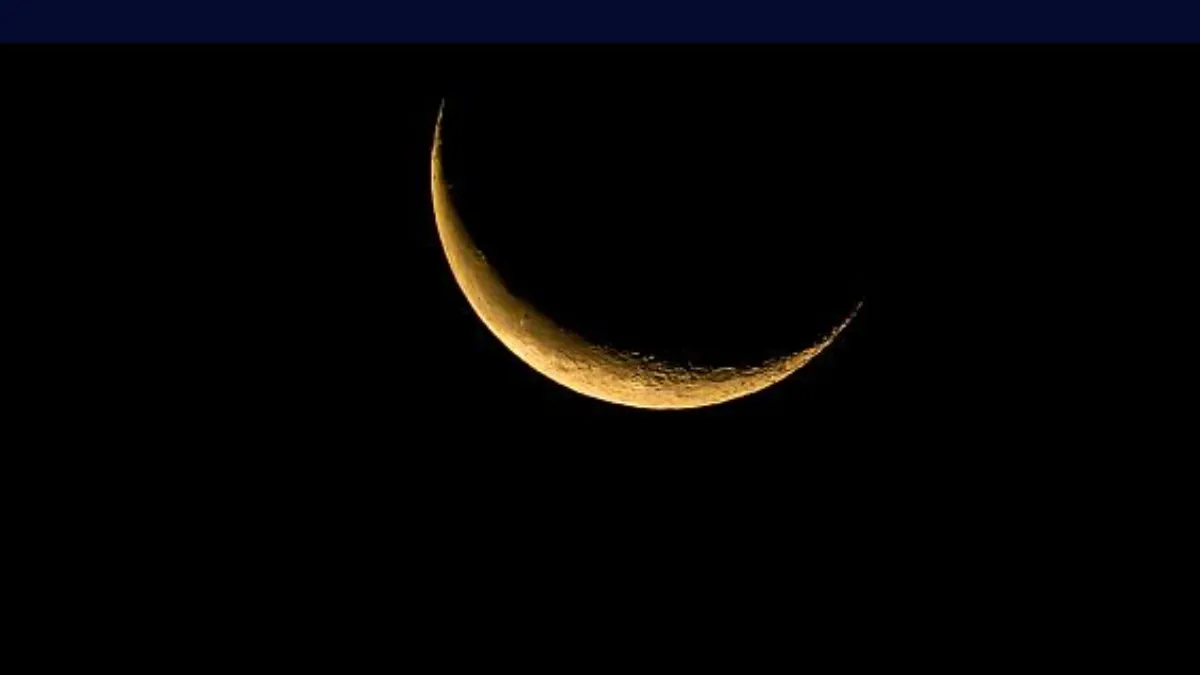
The moon has fascinated people for thousands of years not just because of its beauty, but because of all the rhythms (phase changes) that are associated with the moon. The rhythms of the phases of the moon are created by the way that the moon reflects sunlight at an angle to the observer as it travels around the earth in an orbital path of approximately 29.5 days. (The lunar period is approximately 28 days, plus one additional day due to the eccentricities in the moon's orbit.) The moon appears completely dark (new moon), then gets brighter until it reaches a full round (full moon) shape, and then returns to a partially darkened state before reaching another new moon.
All these phases have names and serve different purposes. They affect how ocean tides work, how we use calendars based on the lunar cycles, how various cultures have an affiliation with the moon, and how modern science has an understanding of how the earth, moon and sun interact. Understanding moon phases will help people know how to view the world through the changing rhythms and cyclical process of how the earth, moon and sun work together as one large unit to control it all.
Check Out: The History of Black Friday: How It Became America’s Biggest Shopping Day?
What are the different moon phases?
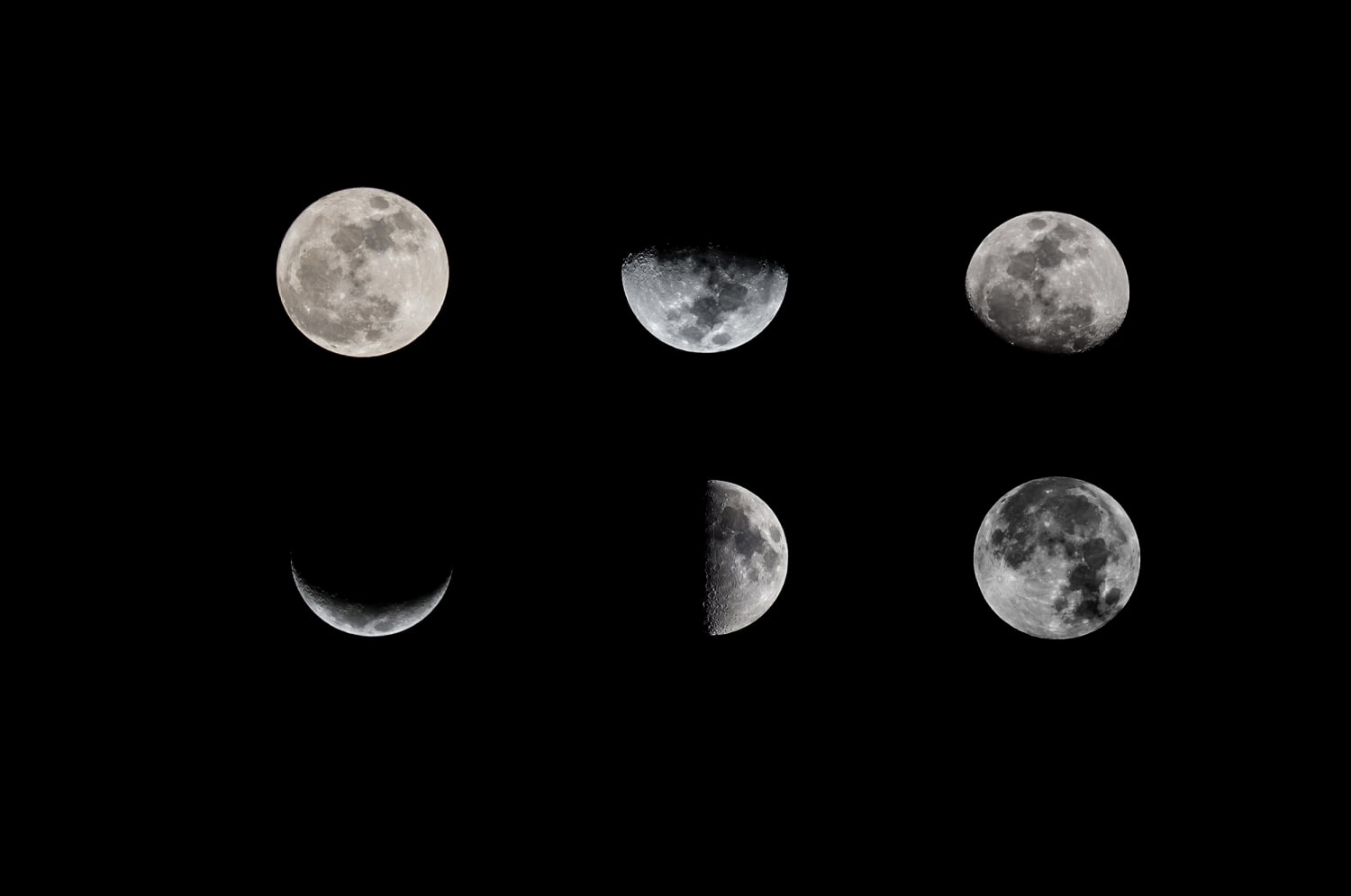
Below are the basic phases of the moon, simply defined:
1. New Moon
The Moon is positioned between Earth and the Sun, with the dark side of the Moon facing us. This phase of the Moon cannot be seen at night.
2. Waxing Crescent
A small arc of brightening moonlight starts to emerge from its dark New Moon phase. The term "waxing" refers to the increase of illuminated area of the Moon.
3. First Quarter Moon
50% or half of the Moon is illuminated on the right side in the Northern Hemisphere and this shape will be in a perfect half-circle.
4. Waxing Gibbous
The Moon is now brightly lit up and will continue to increase in brightness until it gets to full moon position.
5. Full Moon
The Moon is now completely illuminated and will rise at sunset and will shine all night long.
6. Waning Gibbous
The illuminated portion of the Moon is beginning to decrease in size (waxing) after reaching full moon position. More than 50% of the Moon is illuminated but getting smaller.
7. Last Quarter Moon
The Moon is half illuminated again. This time left side is illuminated in Northern Hemisphere.
8. Waning Crescent
There is a very small amount of light emitted from the Moon before going back to the original position of the moon (New).
All of the moon phases will repeat in a 29.5-day cycle, which creates what is called the "lunar cycle," which occurs each month.
What is today’s moon phase?
Currently, the moon is currently in the waning crescent phase. Over time, with each night passing, the illuminated portion of the lunar surface appears smaller and less visible as we approach the new moon phase when we will be unable to see the moon in the evening sky.
When is the next full moon?
Following the Cold Moon of December, the next Full Moon, known as the Wolf Moon, will rise on January 3, 2026, marking the first Full Moon of a new year as well as the beginning of a new lunar cycle after December's Cold Moon.
Conclusion
Each year has a unique cycle of the Moon's phases, which adds to the beauty of the night sky through its own distinct rhythm. December might contain a supermoon, or it may completely lack one. However, regardless of a particular year's December phase and supermoon cycle, the Moon will continue to travel gracefully through the sky each evening, regardless of what happens within the December cycle.

-1765705895491.png "Moon Phase Today: What the Moon Will Look Like On December 14?")


Comments
All Comments (0)
Join the conversation