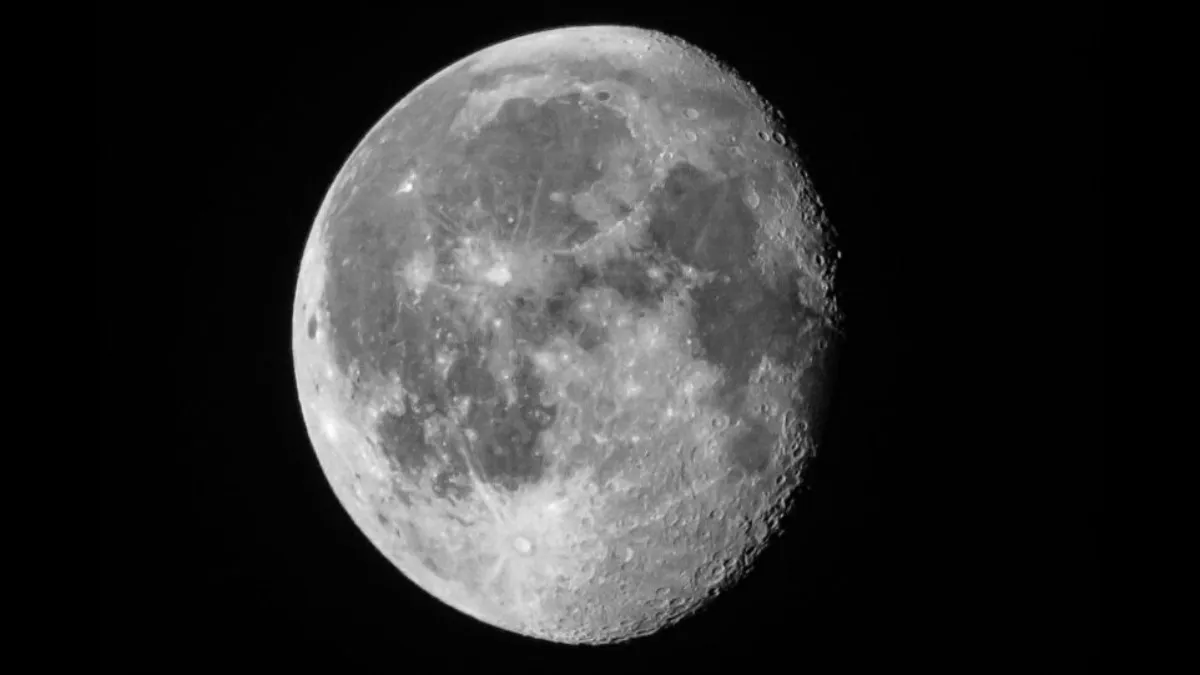
Creating what is called "moon phases" is a cycle of beautiful transformations of the Moon, created as it orbits around Earth, by the changing angles of sunlight that illuminate it. In about 29.5 days, we see the Moon change from a completely dark new moon to a bright full moon and back again, and in between its transformation, we see the Moon in various phases such as crescent, quarter, gibbous, waxing and waning.
Each of these phases indicates a different point in the continuous cycle of the Moon's orbit. These phases of the Moon also provide a reference for calendars and cultures' traditional practices in many areas, as well as to indicate the Moon's positioning in the night sky. The changing shape of the Moon from night to night provides a unique connection to astronomy and the rhythm of nature.
Check Out: The History of Black Friday: How It Became America’s Biggest Shopping Day?
What are the different moon phases?
The eight main phases of the moon during the moon's 29.5-day cycle are as follows:
The moon revolves around the earth; thus, when the light from the sun hits, we see some of the illuminated half. Therefore, we refer to the phases of the moon.
1. The new moon is when the moon is positioned between the earth and the sun. The elumination (lighting) is hidden from the view of the Earth.
2. Waxing crescent - An illuminated sliver on the right of the moon is now present.
3. First Quarter - The moon looks like a full half circle illuminated on the right half of the moon
4. Waxing gibbous - The moon is more than a half-circle illuminated and close to a full circle, lit on both sides.
5. Full Moon - The entire face of the moon is illuminated and bright.
6. Waning gibbous - The lighting begins to lessen after full illumination.
7. Last quarter (third) is half-lit and illuminated on the left side.
8. Waning crescent - Only a small sliver of light remains; then the new moon reappears.
The full moon will repeat the above eight phases every month to give us the monthly routine.
What is today’s moon phase?
 On the 8th of December, 2025, the moon would be in a waning gibbous phase.
After a recent full moon, the moon has started to decrease in brightness and the light it gives off will continue to fade within this period. Functionally, while the moon is in this phase, it would still appear large and bright with approximately 84-85% of its surface illuminated.
The days of the moon during the waning gibbous period are longer as each night it would rise later and will begin to move through the last quarter direction as the moon continues through its month-to-month cycle and eventually will look like a smaller illuminated half.
When is the next full moon?
Following the Cold Moon of December, the next Full Moon, known as the Wolf Moon, will rise on January 3, 2026, marking the first Full Moon of a new year as well as the beginning of a new lunar cycle after December's Cold Moon.
Conclusion
Each year has a unique cycle of the Moon's phases, which adds to the beauty of the night sky through its own distinct rhythm. December might contain a supermoon, or it may completely lack one. However, regardless of a particular year's December phase and supermoon cycle, the Moon will continue to travel gracefully through the sky each evening, regardless of what happens within the December cycle.




Comments
All Comments (0)
Join the conversation