What are the colors of Christmas? When we think of the Christmas holidays, we picture two very different colors: the bright red of Santa's suit and the deep green of the fir tree. But if you look closer at history, the Christmas color palette is far richer than just a duo. What colors really capture the spirit of Christmas and the winter holiday season?
According to historians, the colors of Christmas have changed over time. They started as winter solstice traditions, then became religious symbols, and finally became the commercial styles of the 20th century. Red and green are still the most popular colors, but "dopamine decor" has become more popular in recent years. This has made colors like pink and teal more common. Thus, knowing what these holiday colors really mean will make the Christmas decor even more beautiful, no matter what kind of color you choose.
List of 12 Christmas Colours and Their Symbolism
Below is a detailed look at the traditional and modern colours that define the holiday, along with their historical and spiritual significance.
| Christmas Color | Symbolism and Meaning | Origin/Association |
| 1. Red | Blood of Christ, Love, Warmth | Holly berries, Bishops' robes, Santa's suit |
| 2. Green | Eternal Life, Hope, Nature | Evergreen trees, Mistletoe, Winter Solstice |
| 3. Gold | Royalty, Wealth, Divine Light | The Star of Bethlehem, Gift of the Magi |
| 4. White | Purity, Peace, Innocence | Snow, Angels, Communion wafers |
| 5. Blue | Virgin Mary, Sky, Ice | Biblical art, Victorian postcards, Hanukkah |
| 6. Purple | Repentance, Royalty, Fasting | Advent season, Liturgical color |
| 7. Silver | Redemption, Clarity, Stars | Industrial age, Modern winter aesthetic |
| 8. Pink | Joy, Rejoicing (Gaudete Sunday) | Third Sunday of Advent, Modern whimsical decor |
| 9. Burgundy | Sophistication, Depth | Victorian elegance, Deep winter foliage |
| 10. Teal/Turquoise | Faith, Spiritual Healing | Middle Eastern traditions, Modern Coastal Christmas |
| 11. Copper/Bronze | Earthiness, Resilience | Rustic themes, Natural warmth |
| 12. Earth/Brown | Humility, Grounding | Wood of the Manger, Franciscan monks' robes |
Also Read - When does Winter Start and End in the U.S. in 2025?
1. Red
When people ask what the Christmas colors are, red is often the first answer. In the past, it stood for the holly berries that were used in ancient winter solstice celebrations to keep evil spirits away. In Christianity, red has a deeper meaning: it stands for the blood of Jesus Christ that was shed for all people. The bright Coca-Cola Red that we see today didn't become the global standard until the 1930s, when advertising campaigns gave Santa his famous look.
2. Green

Ancient Celtic and Roman cultures worshiped evergreen plants like holly, ivy, and mistletoe long before Christmas was a holiday. This was because these plants did not die in the winter. They showed that life goes on even in the coldest, darkest months. Today, green stands for everlasting life and the hope of being brought back to life. The Christmas tree is a big part of it, and it's the color of the season.
3. Gold

The Sun and light are gold, which is very important during the dark winter days. In religious terms, it is one of the three gifts that the Wise Men (Magi) brought to the baby Jesus: Gold, Frankincense, and Myrrh. It stands for royalty and the divine "light of the world," giving holiday decorations a sense of wealth and spiritual richness.
4. White
In Western cultures, white means peace and cleanliness. It is naturally connected to the snow that falls in the Northern Hemisphere in the winter. People used to put white paper wafers that looked like communion bread on Paradise Trees, which were the first Christmas trees. It also stands for the Virgin Mary's chastity and the Christ child's innocence.
5. Blue

Is blue a Christmas color? Absolutely. While often associated with Hanukkah, blue has deep roots in Christmas history. In medieval art, the Virgin Mary was almost always painted in blue robes because blue dye was rare and expensive, fit only for royalty. In Victorian times, Santa was frequently depicted wearing blue before red took over. It represents the sky, heaven, and the cold beauty of winter.
6. Purple

Purple is the main color of Advent, which is the four weeks before Christmas. It stands for fasting, repentance, and getting ready spiritually. In ancient times, purple dye was made from shellfish and was incredibly costly, making it a symbol of kings and royalty, apt for welcoming the King of Kings.
7. Silver
While Gold represents warmth, Silver represents the crisp, cool clarity of the season. It signifies the Star of Bethlehem that guided the Magi. In modern times, silver is used to mimic the sparkle of icicles and frost, offering a sleek, industrial contrast to the warmer traditional colors.
8. Pink (Rose)

Pink is not just a trendy millennial aesthetic; it has a liturgical place in Christmas. On the third Sunday of Advent, known as Gaudete Sunday, priests wear rose-colored vestments to symbolize joy and rejoicing that the waiting is almost over. It breaks the solemnity of the purple used during the rest of Advent.
9. Burgundy
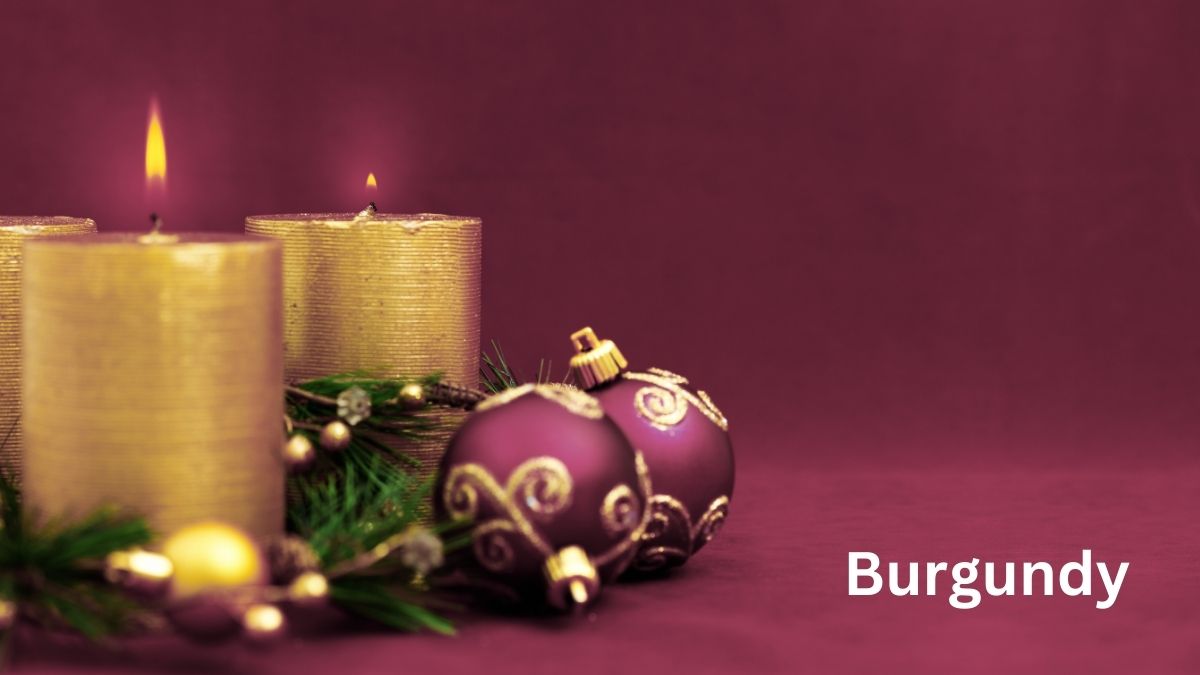
For those who find bright red too loud, Burgundy offers a sophisticated alternative. This dark, wine-colored shade was popular in the Victorian era because it stood for elegance and the depth of winter. It pairs beautifully with gold and brings a cozy, old-world charm to the festivities.
10. Teal/Turquoise

Teal is a new color for Christmas that is often used in peacock or winter wonderland themes. In early Christian history, different shades of blue-green stood for spiritual healing and truth, though. Today, it serves as a vibrant, fresh break from the heavy reds and greens, reminiscent of glacial ice.
11. Copper or Bronze
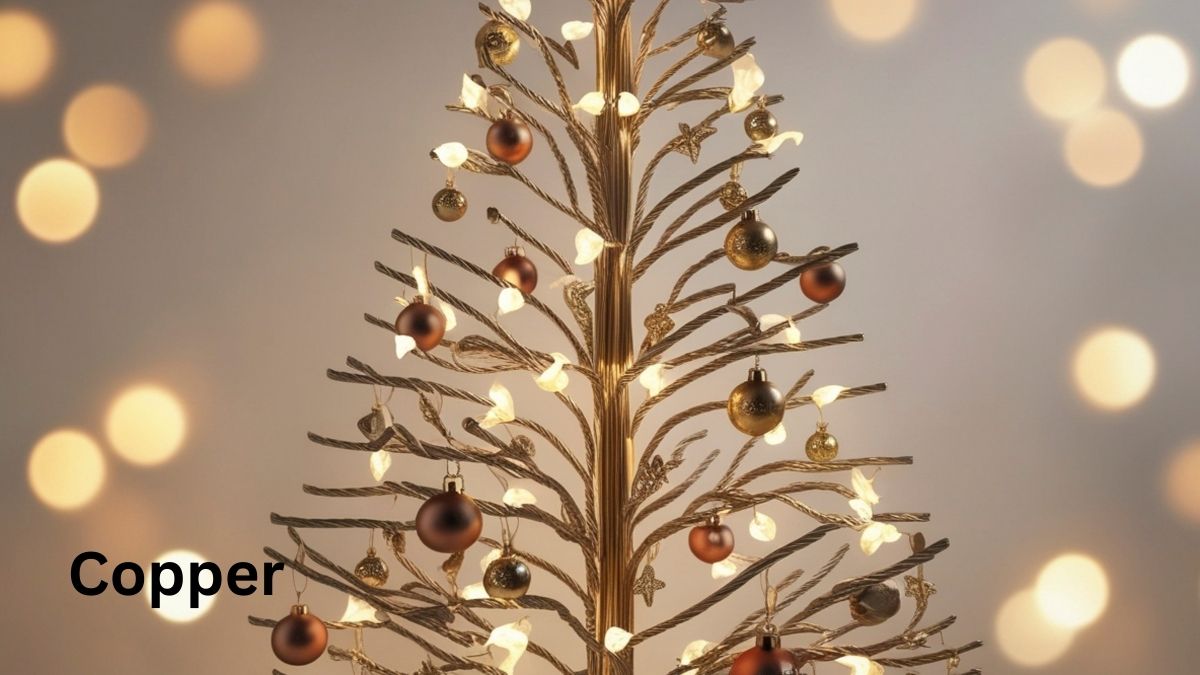
Copper and bronze, on the other hand, stand for the earth and strength. These metallic earth tones are becoming more popular in Christmas decorations that are rustic or farmhouse-style. They symbolize the humble, natural origins of the holiday, grounding the glitz of the season in something warm and durable.
12. Earth Tones (Brown)

Brown is the color that makes the palette work. It stands for the simple wood of the manger where Jesus was born and the robes of Franciscan monks who supported the Nativity scene. It reminds us that Christmas is based on humility and simplicity, which is very different from how flashy and commercial the holiday has become.
Check Out - What are Snowflakes? Know all about Snow Shape, Size, and Color
Red and green will always be the classic colors for the holidays, but the real colors for Christmas are much more varied. Each color, from the royal purple of Advent to the happy pink of Gaudete Sunday, tells a different story about faith, history, and nature. This year, when you decorate your halls, you're not just picking out a color scheme; you're putting together a story about light, life, and celebration that has been around for hundreds of years.




Comments
All Comments (0)
Join the conversation