
MIT (Massachusetts Institute of Technology) is among the finest institutions of higher education in the world, having produced some of the leading thinkers in science, technology, engineering, business and innovation. Many of America's greatest intellectuals have attended MIT and gone on to make revolutionary contributions in their respective fields. Nobel Prize-winning physicists, internet visionaries, astronauts, and transformational entrepreneurs are just a few examples of the influential people who got their start at MIT, which has served as the foundation for many of the greatest leaders throughout modern history.
In this article we will highlight seven of the most renowned American graduates from MIT and discuss the impact they have had on our lives and society as a whole.
Check Out: List of Top 6 Famous Americans Who Studied at Oxford University
Top 7 Famous Americans Who Studied at MIT
Here are the top 7 famous Americans who studied at MIT along with their talent and speciality:
| Rank | Name | Why They Are Famous |
| 1 | Richard Feynman | Nobel Prize–winning physicist known for quantum electrodynamics |
| 2 | Buzz Aldrin | NASA astronaut and second human to walk on the Moon |
| 3 | Shirley Ann Jackson | Iconic physicist; first Black woman to earn a PhD from MIT |
| 4 | Jonah Peretti | Co-founder of BuzzFeed and Huffington Post |
| 5 | William R. Hewlett | Co-founder of Hewlett-Packard (HP) |
| 6 | Kofi Annan | Former UN Secretary-General; Nobel Peace Prize winner |
| 7 | Benjamin Netanyahu | Former Israeli Prime Minister; studied at MIT in the U.S. |
1. Richard Feynman

Richard Feynman won the Nobel Prize as a physicist and attended MIT for his undergraduate education. His work in quantum electrodynamics had an enormous impact on the field, and Feynman's innovative approach to science made him one of the most influential scientists of the 20th century. Feynman is known for being a great teacher, and he remains a significant figure in physics to this day.
2.Buzz Aldrin
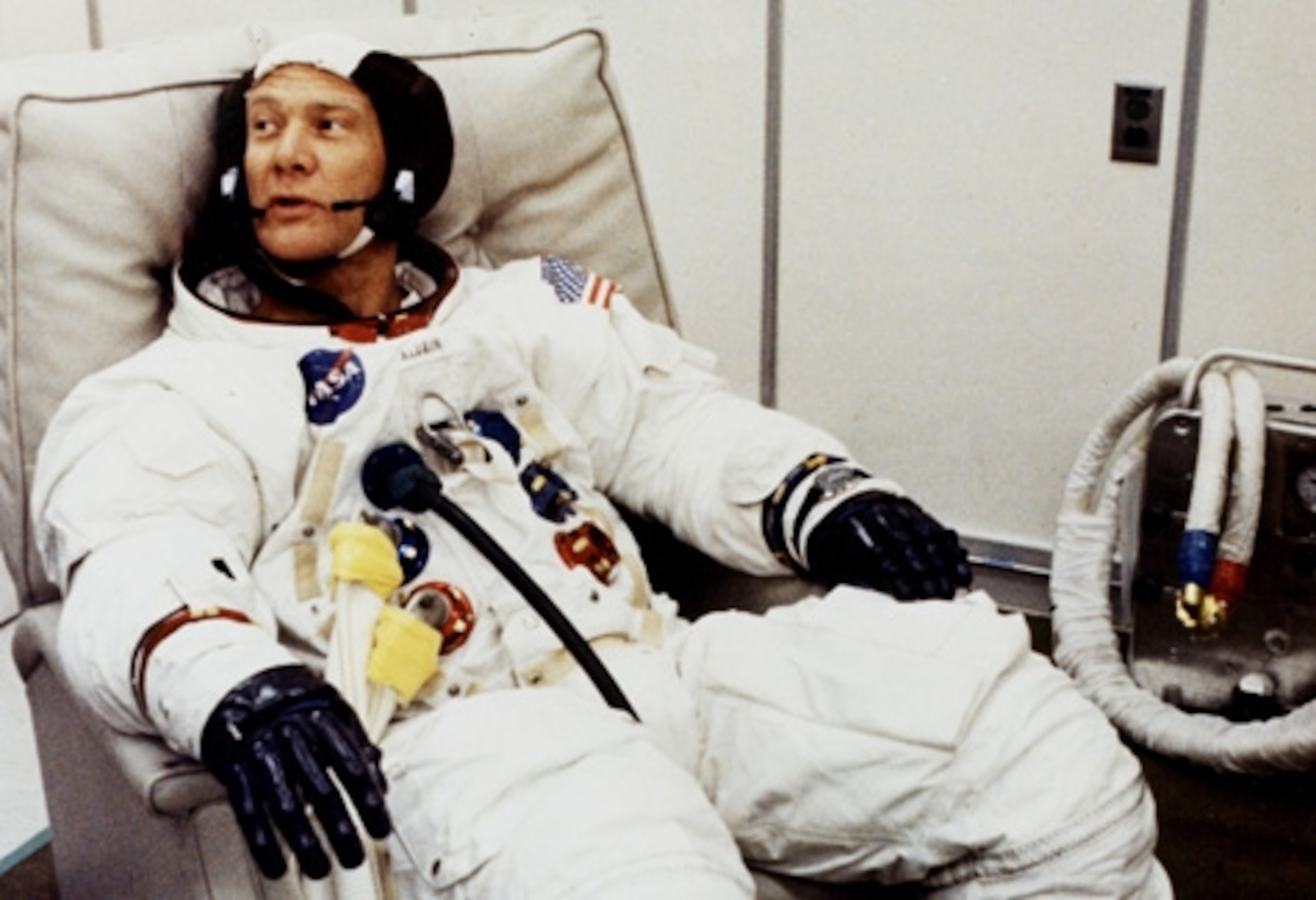
Buzz Aldrin received a Doctor of Science in astronautics from MIT. He was the second human ever to set foot on the Moon, and his research on orbital rendezvous, which he published in his MIT thesis, was foundational for NASA's Apollo missions. Aldrin continues to be a prominent figure in the field of space exploration and an example of what humans can achieve without limits.
3. Shirley Ann Jackson

Shirley Ann Jackson is the first African-American woman to receive a PhD from MIT. She was one of the first women in the field of physics and her work was instrumental in the advancement of telecommunications.
She went on to become the President of Rensselaer Polytechnic Institute. Jackson has set an example for countless women and underrepresented minorities pursuing careers in science and engineering.
4. Jonah Peretti

At MIT Media Lab, Jonah Peretti studied interest in digital culture and viral media. The knowledge he gained at MIT helped him launch BuzzFeed and HuffPost, which drastically changed the landscape of how we engage with journalism and social media. Jonah is now one of the leaders of today's modern digital entrepreneurs.
5. William R. Hewlett

William R. Hewlett studied graduate engineering at MIT before becoming co-founder of Hewlett-Packard (HP). His graduate degree provided the foundation for a company that has had a tremendous impact on the way America does business, along with being one of the first major players to help build the Silicon Valley technology industry and help shape how other technology companies do business globally. William Hewlett was also a huge influence on the development of many generations of engineers and entrepreneurs around the world.
Conclusion
MIT has nurtured, trained, and shaped some of America's most impactful minds in science, technology, politics, and business. These seven iconic alumni are a testament to MIT's legacy of innovation, leadership, and excellence; inspiring generations of future innovators and leaders to break through their limitations and have a positive impact on the world.





Comments
All Comments (0)
Join the conversation