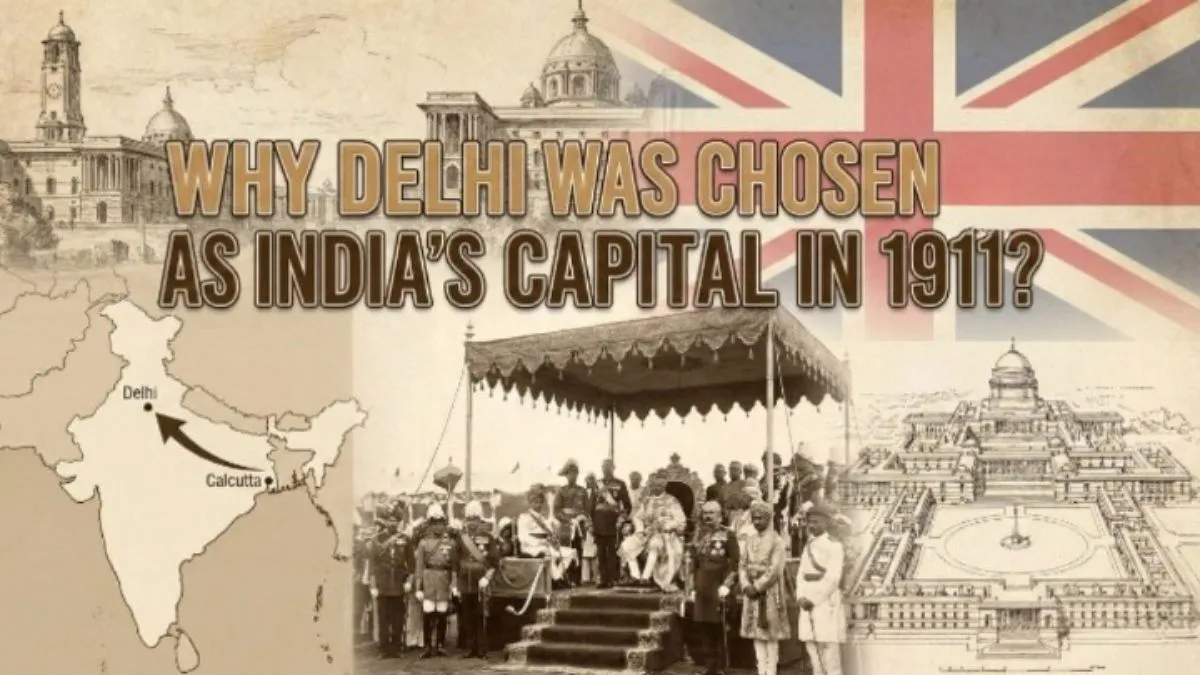
From the beginning, when British decided to trade in India, beginning with the trade posts of the East India Company (1612) and increasing after the Battle of Plassey (1757), were no longer about commerce, but direct political governance, which resulted in the British Raj (1858-1947) following the 1857 Mutiny, governance, education (such as Despatch of Wood 1854, Universities Act 1904), and policies at times sparking a sense of nationalism (such as Bengal Partition 1
But despite all these decisions, British India also chose Delhi as the Capital of India, rather than Calcutta was already under controlled under British control.
But in 1911, during the Delhi Durbar, Delhi was chosen as the capital of India.
In this article, we will explore why Delhi was chosen as India’s Capital in 1911.
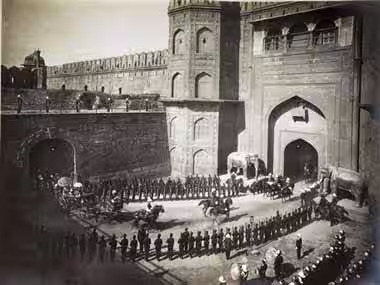
Source: Firstpost
Why Delhi Was Chosen as India’s Capital in 1911?
The move to transfer the capital of British India out of Calcutta into Delhi was declared 114 years ago, and it is one of the greatest changes of administration in Indian history. This motion was created in the year 1911 at the Coronation Durbar, and this redefined the fate of India, turning already a historical Delhi into modern New Delhi.
Understanding why Delhi was selected requires examining political pressure, strategic location, administrative convenience, and historical symbolism.
The 1911 Coronation Durbar and Capital Announcement
The British Crown officially declared the shift of the capital base in the city of Calcutta to the City of Delhi in the Coronation Durbar on 12 December 1911. It was attended by London officials, Indian princes and subcontinent dignitaries.
This announcement was unexpected, and it sparked debates instantaneously both in India and Britain. Since then, the process of transforming Delhi into the imperial centre started, and the historic city was transformed into an administrative city.
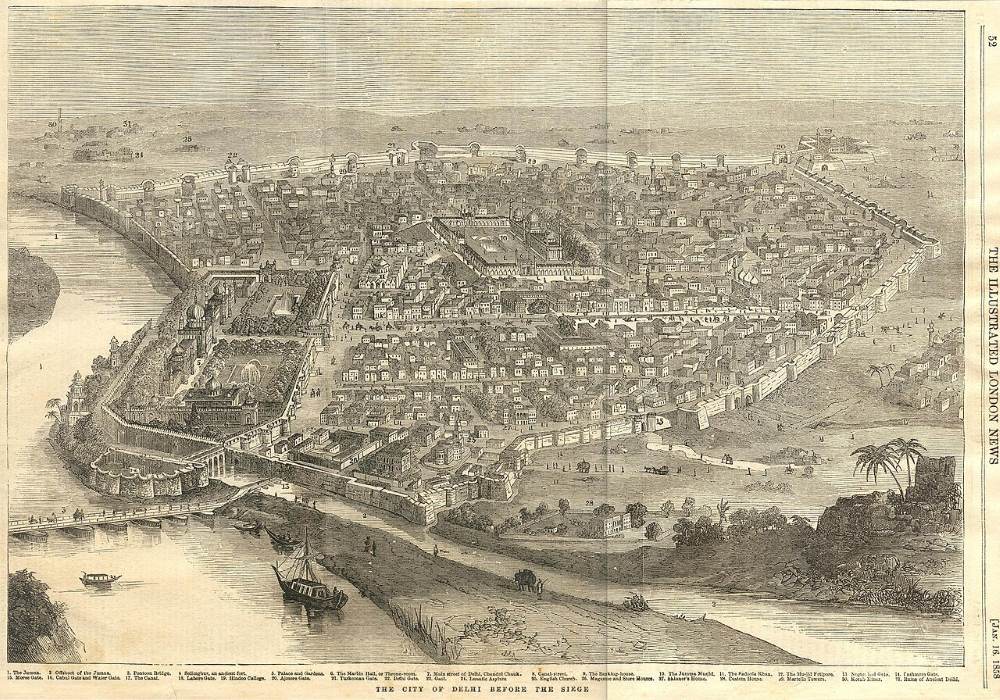
Source: wikimedia
Why Calcutta Was No Longer Ideal for becoming the capital of India?
Calcutta had served as the capital of British India for over a century, but by the early 20th century, several issues had emerged:
-
It was situated on the eastern side of the subcontinent.
-
Well, it is far out of the north and central provinces.
-
Hard to govern an empire of such magnitude.
-
Increasing political unrest and nationalist resistance
The British officials found it necessary to have a more centrally located capital to provide good governance.
What were the other reasons for shifting the capital from Calcutta to Delhi as India’s Capital?
Due to Political Background: National Movement and Reforms
The beginning of the twentieth century marked the quick growth of the national movement in India. Efforts by the British to undermine opposition, particularly the Partition of Bengal of 1905, were unsuccessful and instead added to opposition.
The British came in with partial reforms, which included the Indian Councils Act of 1909 (Morley-Minto Reforms), to calm the unrest. These reforms, however, also indicated that the capital could not be tightly joined to a particular province.
Relocating the capital was seen as a way to:
-
Minimise provincial supremacy.
-
Encourage administrative decentralisation.
-
Reestablish relationships with the leaders of India.
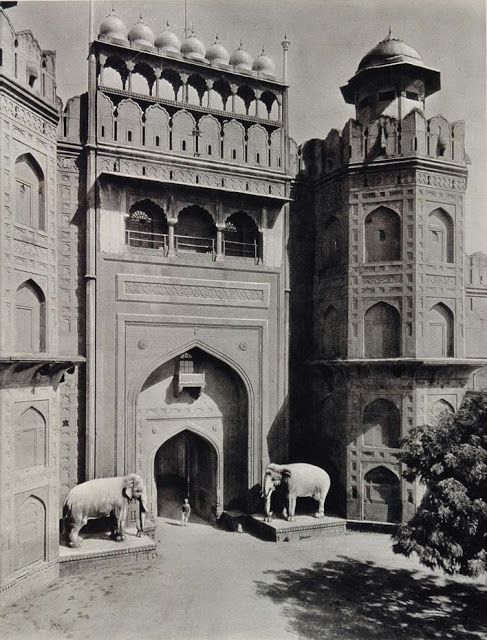
Source: Pinterest
What were the strategic advantages of Delhi’s Location as India’s Capital?
Delhi offered multiple administrative and logistical benefits:
-
Central position between Calcutta and Bombay
-
Closer to Simla, the British summer capital
-
Major railway junction connecting six rail lines
-
Proximity to princely states, mostly located in North India
These factors made Delhi far more suitable for managing imperial governance.
What are the historical and symbolic importance of Delhi?
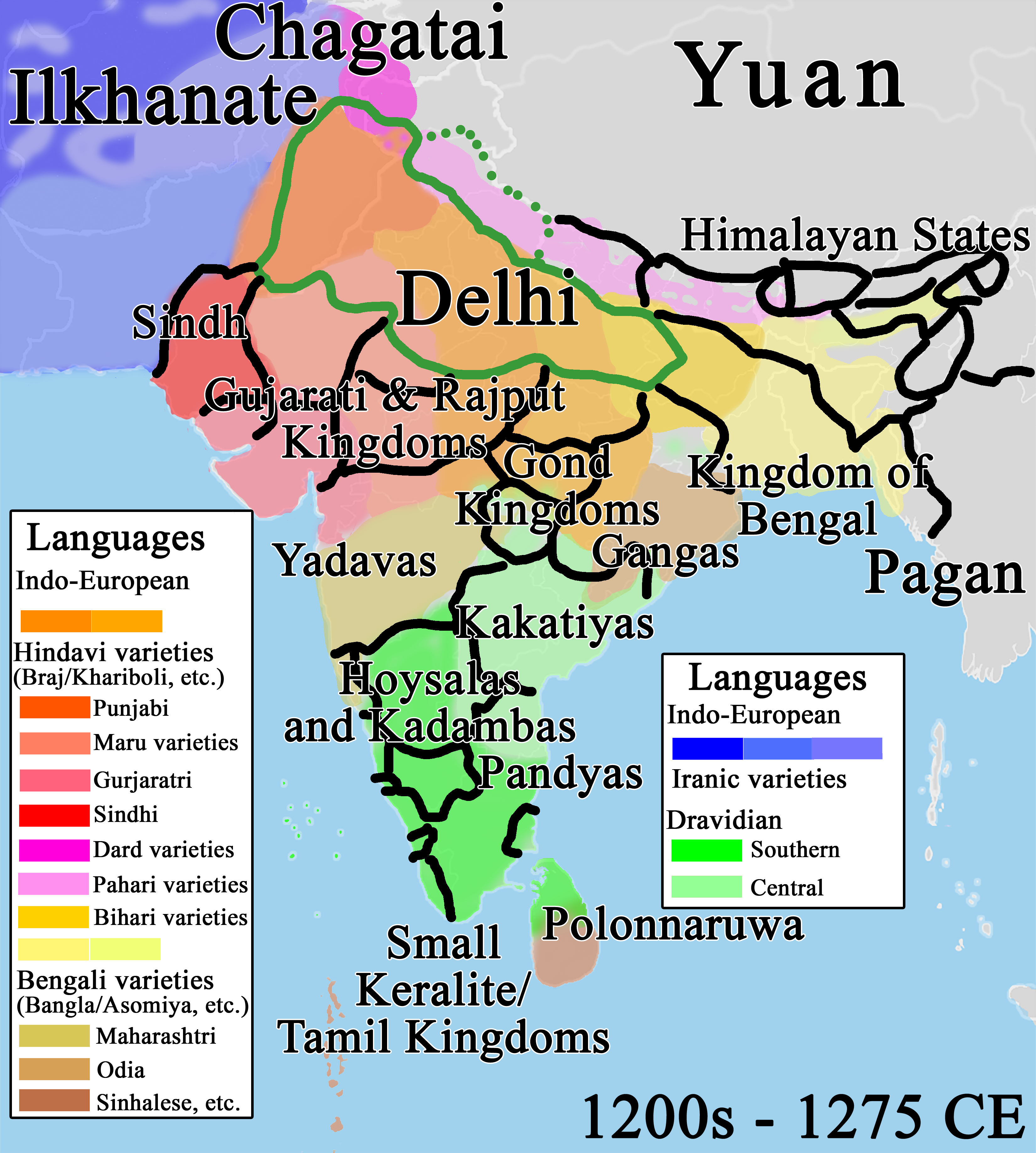
Beyond geography, Delhi carried an unmatched symbolic value. For centuries, it had been the capital of powerful Indian empires, including:
-
The Delhi Sultanate
Source: Reddit
-
The Mughal Empire
In settling on Delhi the British wanted to identify themselves as successors of the old rulers of India who would enhance the imperial rule by continuation and tradition.
Who were not in favour of shifting the Capital of India?
Opposition to the Capital Shift
This move was greatly resisted particularly in calcutta. Resistance came from:
-
Commercial organisations
-
European business groups
-
Influential newspapers
-
The British Parliament Political Critics
Common objections included:
-
Delhi’s harsh climate
-
Health concerns
-
The proximity of ports and trade centres
-
Absence of consultation with law-making institutions
The decision has continued to be contested but was upheld.
What were the Long-Term Impact of the Decision to shift India’s Capital from Calcutta to Delhi?
Despite the controversy that vanished during the time, the 1911 capital shift had an extensive impact. It later resulted in the formation of New Delhi and the formation of Delhi becoming the capital of the independent India by the year 1947.
What started as a policy step by the colonists, ended up defining the political future of India.
Conclusion
Delhi was chosen as India’s capital due to its central location, strategic advantages, administrative convenience, and deep historical significance. Announced in 1911, the decision not only transformed Delhi but also influenced India’s governance for generations to come. Today, Delhi stands as a symbol of continuity between India’s imperial past and democratic present.




-1765956461168.jpg)

Comments
All Comments (0)
Join the conversation