Wettest Places On Earth: Full List of Top 10 Rainiest Places In The World
Do you know that the wettest places on Earth receive over 11,000 mm of annual rainfall? This extreme precipitation is caused by orographic lift, where steep mountains trap and force moisture-laden ocean winds upward, triggering near-constant downpours. Let's discover the top 10 rainiest places in the world.
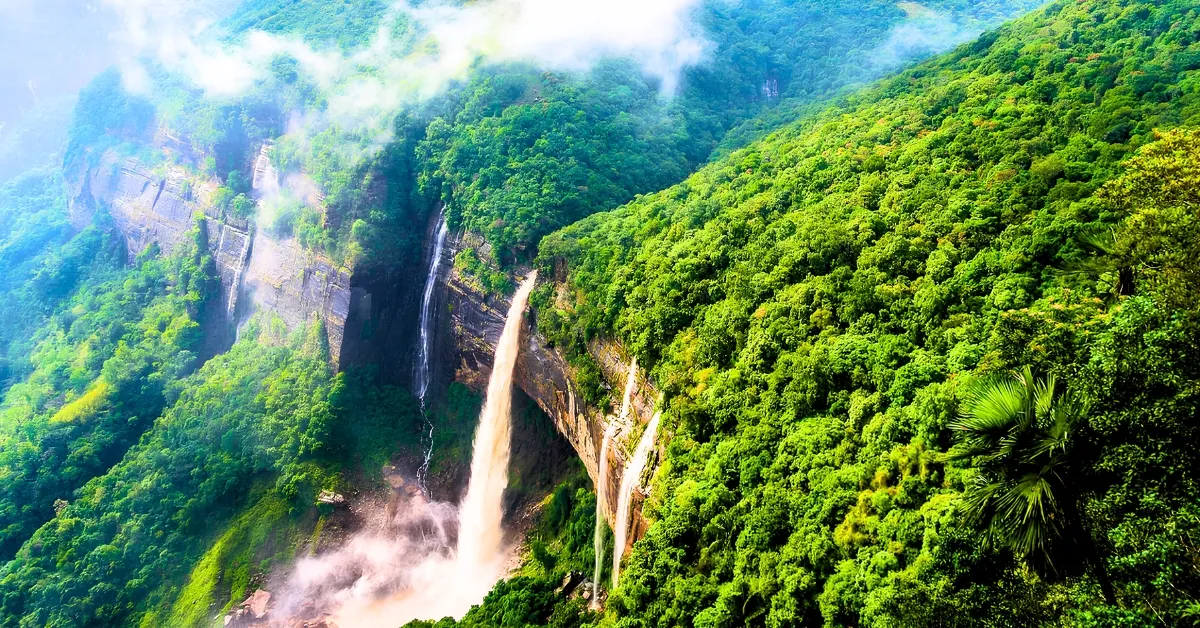
Did you know the wettest place on Earth gets so much rain that people there wear hats made of reeds, shaped like umbrellas, so they can keep their hands free for work? It's true. While many of us grumble when it rains for a few days in a row, some places see rain almost every day of the year. But there's more to the story. New climate data show that global warming is changing where the heaviest rain falls, making some famously wet places drier and moving others up the list. In this article, we'll explore the wettest places on Earth and discover what makes these locations such fascinating natural wonders.
List of 10 Wettest Places on Earth
To see how these regions compare, we should look at their long-term average annual rainfall. The information below comes from official meteorological sources, using both historical records and the latest data tracked by climate agencies up to 2026.
| Rank | Place | Country | Average Annual Rainfall | Why Is It Called the Wettest Place? |
| 1 | Mawsynram | India | 11,872 mm (467.4 inches) | Shuts out the sky due to the funnelling effect of the Khasi Hills intercepting the Bay of Bengal winds. |
| 2 | Cherrapunji (Sohra) | India | 11,777 mm (463.7 inches) | Sits on the same mountain ridge as Mawsynram, catching the exact same relentless monsoon clouds. |
| 3 | Tutunendo | Colombia | 11,770 mm (463.4 inches) | Lies in a low-wind tropical zone where warm ocean clouds get locked against the Andes mountains. |
| 4 | Cropp River | New Zealand | 11,516 mm (453.4 inches) | A tiny mountain river basin that extracts massive moisture from Tasman Sea storms. |
| 5 | San Antonio de Ureca | Equatorial Guinea | 10,450 mm (411.4 inches) | The wettest spot in Africa, where heavy Atlantic winds hit a massive volcanic peak. |
| 6 | Big Bog | United States (Hawaii) | 10,272 mm (404.4 inches) | A remote peat bog on Maui that continuously catches moisture-heavy Pacific trade winds. |
| 7 | Debundscha | Cameroon | 10,299 mm (405.5 inches) | Sits at the foot of Mount Cameroon, which acts as a giant wall blocking Atlantic rain clouds. |
| 8 | Mount Waialeale | United States (Hawaii) | 9,763 mm (384.3 inches) | An ancient shield volcano whose sharp cliffs strip moisture out of passing clouds. |
| 9 | Kukui | United States (Hawaii) | 9,293 mm (365.9 inches) | A mountain peak famous for recording some of the highest monthly downpours in US history. |
| 10 | Emei Shan | China | 8,169 mm (321.6 inches) | A sacred Buddhist mountain surrounded by a permanent, thick layer of mist and clouds. |
Exploring the Top 3 Rainiest Places in the World
To truly understand how a place gets this wet, we have to look past the numbers and see what nature is doing behind the scenes. Here is how the top three spots earn their watery crowns.
1. Mawsynram, India

Sitting firmly at the number one spot is Mawsynram, a small village perched on a ridge in the East Khasi Hills of Meghalaya. Its name translates to the "Abode of Clouds," and it lives up to it every second.
The secret behind Mawsynram's relentless rain is a geographical phenomenon called orographic lift combined with a natural funnel. When the warm, moisture-laden monsoon winds blow from the flat plains of Bangladesh, they hit the steep Khasi Hills.
Because the mountains are shaped like a giant funnel, the clouds are packed tightly together and forced upward. As the air rises, it cools down rapidly, condenses, and dumps all its water directly over this village.
According to recent observations from the India Meteorological Department (IMD), Mawsynram is showing a slight increase in long-term rainfall. While its neighbour Cherrapunji is seeing minor dips due to changing local forest cover, Mawsynram continues to hold its world-record baseline of 11,872 mm securely.
2. Cherrapunji (Sohra), India
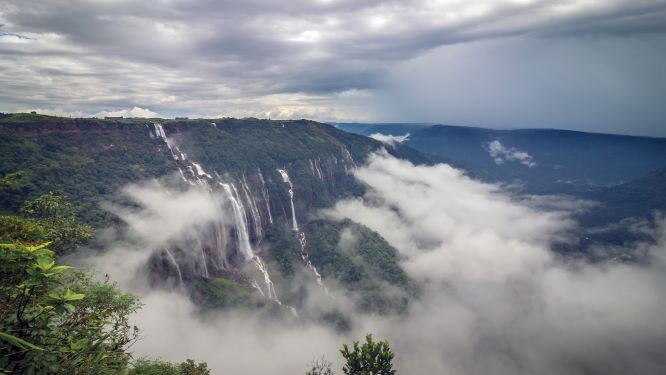
Just 15 kilometres away from Mawsynram sits Cherrapunji, locally known as Sohra. It holds the number two spot on the global list. For decades, Cherrapunji was the undisputed champion of rain, and it still holds the Guinness World Record for the most rainfall ever received in a single year, a staggering 26,471 mm back in 1861.
Cherrapunji experiences the exact same monsoon phenomenon as Mawsynram. The winds from the Bay of Bengal hit these cliffs and create non-stop downpours from June to September.
Interestingly, even though it rains cats and dogs in the summer, the locals face severe drinking water shortages during the winter dry season because the rainwater runs straight down the limestone cliffs into Bangladesh.
3. Tutunendo, Colombia

Moving across the globe to South America, Tutunendo takes the third spot. This small town is located in the Chocó department of Colombia, deep inside a tropical rainforest. Unlike the top two spots in India, which get most of their rain during a specific monsoon season, Tutunendo receives heavy rainfall all year round.
Tutunendo experiences a unique combination of a hot equatorial climate, zero wind zones, and the towering Andes Mountains. The warm air from the Pacific Ocean holds a massive amount of water vapour.
Because there is little wind to push the clouds away, they hit the foothills of the Andes and rain down continuously. Tutunendo actually has two distinct rainy seasons, meaning it almost never gets a chance to dry out.
Conclusion
If you want to see what rain can really do, look at the wettest places on Earth. We're talking about spots like Meghalaya in India, where the hills seem to squeeze every drop out of the clouds, or the rainforests of Colombia, where it feels like the sky just never runs out.
Rainfall here isn't just some random drizzle; it's the result of wind, ocean air, and mountains all working together. As the planet heats up, the old records for rainfall are getting rewritten, and the places that used to be the wettest might not hold onto their titles for long. If you care about how our world works, keeping an eye on these soggy corners is more important than ever.

Kriti Barua is a skilled digital journalist and communications professional with 4+ years of experience, currently writing for the General Knowledge section at Jagran New Media. She has established herself as a subject matter expert in History, Geography, Trending National and International News, Sports, Science, and Defence, producing clear, reliable, and search-optimised content that connects with readers worldwide.
Kriti holds a BA degree from Delhi University and a one-year diploma in TV Production and Journalism, an academic background that adds research depth and strong storytelling instincts to her writing. Her experience spans brand writing, content marketing, and digital media, giving her a sharp understanding of what makes content both helpful to readers and visible in search.
At Jagran New Media, she applies this expertise to national and international news coverage, query-based articles, and in-depth pieces across her specialist subject areas. Her content is defined by easy language, factual accuracy, strong keyword strategy, and reader-friendly storytelling.


