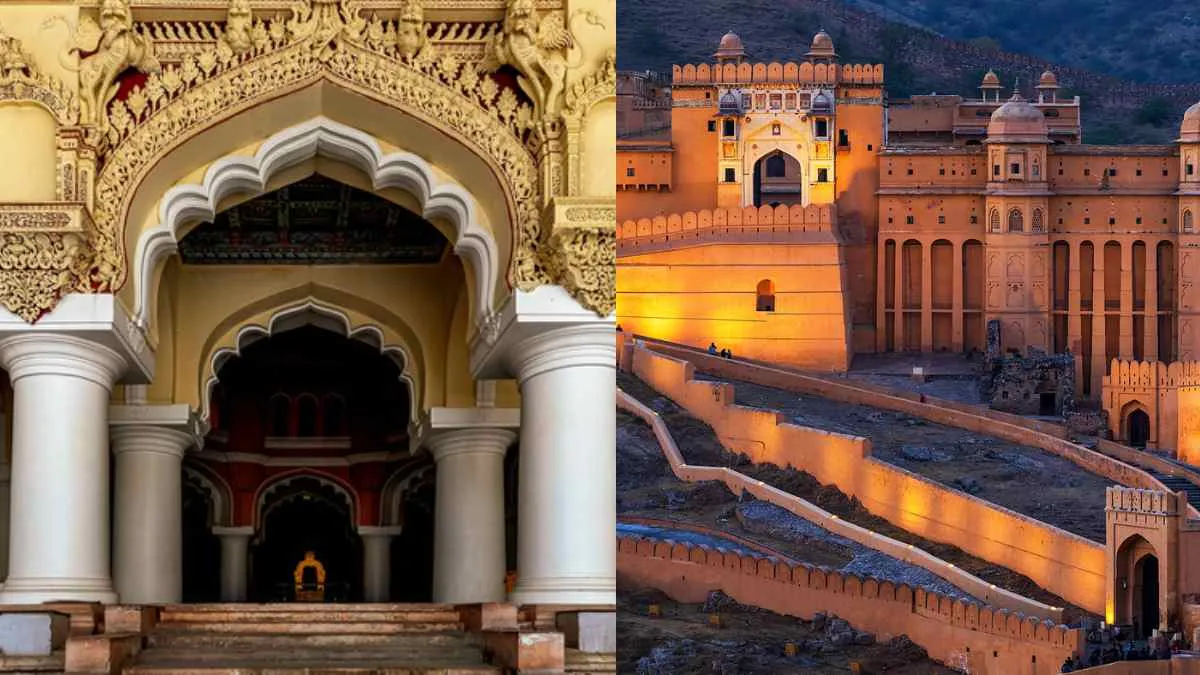
The royal past of India has been kept alive not just through their impressive buildings and landmarks, but also through the impressive palaces built centuries ago, which still represent the power and culture of royal families, as well as the incredible architectural skills they possessed. The palaces, which housed the emperors and their courts, reflect the artistic style of the time and the prevailing political circumstances.
Almost all of these structures were built before the existence of today's cities, thus providing insight into India's medieval and early-modern history. Thus, this article presents to you a list of the seven oldest palaces built in India (as determined by the earliest date they were constructed), along with a brief summary of their history and importance, as well as their current status.
Check Out: Which is the Oldest Language in the World?
Top 7 Oldest Palaces in India
Here are the top 7 oldest palaces in India along with their location, year and dynasty:
| Rank | Palace Name | Location | Year Built | Dynasty | Key Features |
| 1 | Padmanabhapuram Palace | Kerala | 1601 CE | Travancore | Oldest wooden palace, murals |
| 2 | Thirumalai Nayakkar Mahal | Tamil Nadu | 1636 CE | Nayaka | Huge arches, stuccowork |
| 3 | Amber Palace | Rajasthan | 1592 CE | Rajput | Fort-palace style, Sheesh Mahal |
| 4 | Leh Palace | Ladakh | 1553 CE | Namgyal | Tibet-style mountain architecture |
| 5 | Mattancherry Palace | Kerala | 1555 CE | Kochi | Murals, Portuguese influence |
| 6 | Rang Ghar | Assam | 1746 CE | Ahom | Ancient pavilion structure |
| 7 | Udaipur City Palace | Rajasthan | 1559 CE | Mewar | Multiple palaces in one complex |
1. Padmanabhapuram Palace (Kerala)

Padmanabhapuram Palace was built in 1601 AD by the Travancore rulers. It is the oldest wooden palace in India and has beautifully carved and decorated interiors made of rosewood, amazing artefacts such as carvings of elephants, and many hidden passages throughout. Padmanabhapuram Palace has 108 rooms; the architecture of Padmanabhapuram Palace reflects the political and artistic prowess of early Travancore Kings with its unparalleled craftsmanship, its ability to keep cool naturally, and the preservation of its original buildings.
2. Thirumalai Nayakkar Mahal (Tamil Nadu)
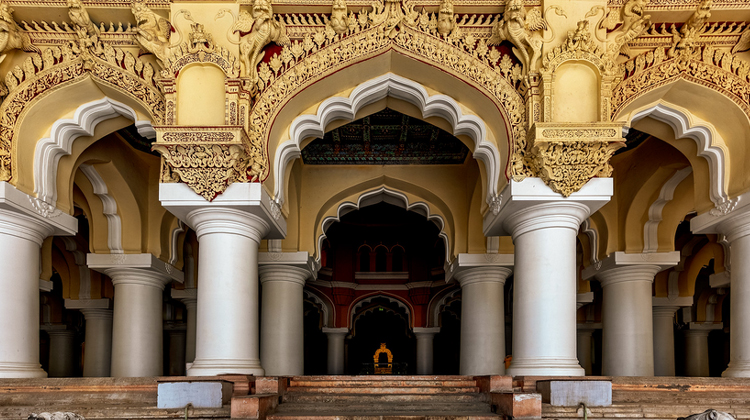
The Thirumalai Nayakkar Mahal was built by the Madurai Nayaks Dynasty in 1636 AD. The architecture is a culmination of Dravidian, Islamic, and early European influences, and it is one of the foremost examples of the architectural tradition of the Madurai Nayaks. It has exceptionally large decorative arches, and stucco-coated, high pillars, dramatic open courtyards, and very large ceiling domes called Swarga Vilasam or Celestial Pavilions. This palace was originally four times as large and an extraordinary reflection of the military, political, artistic, and ceremonial character of the Nayak Dynasty.
3. Amber Palace (Rajasthan)

Amber Palace was built in 1592 AD by Raja Man Singh I and is one of the oldest examples of Rajput Palace Fort architecture. Its location on a hilltop allows it to take full advantage of the mountainous terrain of Rajasthan. Its architectural design displays influences from both Hindu and Mughal styles. It has beautiful entrances and decorative stone-carving work in many sections.
4. Leh Palace (Ladakh)

The Leh Palace is a grand nine-story mud brick structure that towers above the ancient city of Leh and was built between 1553 and 1555 by King Sengge Namgyal. The palace, designed in a traditional Tibetan style, predates the famous Potala Palace in Lhasa. The upper floors of the palace housed the royal family, while the lower levels contained the palace’s food stores and housed the servants. Although it is partially ruined today, it remains an important symbol of both the power of the Namgyal dynasty and Himalayan culture.
5. Mattancherry Palace (Kerala)
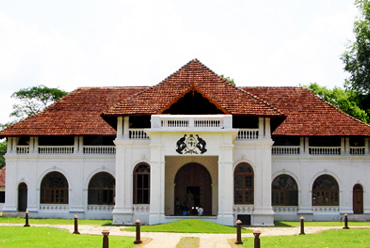
Mattancherry Palace was built in 1555 CE by the Portuguese as a gift to the rulers of Kochi. The palace is one of the first European-style palaces in India and is often referred to as the “Dutch Palace” because of the extensive renovations to the palace carried out by the Dutch. The palace features extensive murals illustrating scenes from the Ramayana and Mahabharata and has beautifully-carved wooden ceilings and portraits of the kings of Kochi. The palace is a unique blend of the patronage of colonial powers and the architecture of traditional Kerala.





Comments
All Comments (0)
Join the conversation