Key Points
- The Arabian Peninsula is the world's largest, covering 3.2 million sq km.
- It's located in Southwest Asia, bridging Asia, Africa, and Europe.
- It holds vast oil & gas reserves, crucial for global energy supply.
Peninsulas are major landforms that extend into large bodies of water and are surrounded by water on three sides. They play a crucial role in shaping climate, trade routes, human settlement and political boundaries. Among all peninsulas on Earth, one stands far above the rest in terms of size and global importance.
Largest Peninsula in the World
The Arabian Peninsula is the largest peninsula in the world. Covering an area of about 3.2 million square kilometres, the Arabian Peninsula is larger than many countries and even some continents’ subregions. Its vast size, strategic location and rich natural resources make it one of the most significant geographical regions on the planet.
Why Is the Arabian Peninsula the Largest Peninsula?
The Arabian Peninsula qualifies as the largest peninsula because it is surrounded by water on three sides while remaining connected to the mainland of Asia. It is bordered by the Red Sea to the west, the Arabian Sea to the south and the Persian Gulf and Gulf of Oman to the east. No other peninsula in the world covers such an extensive land area.
Geographic Location of the Arabian Peninsula
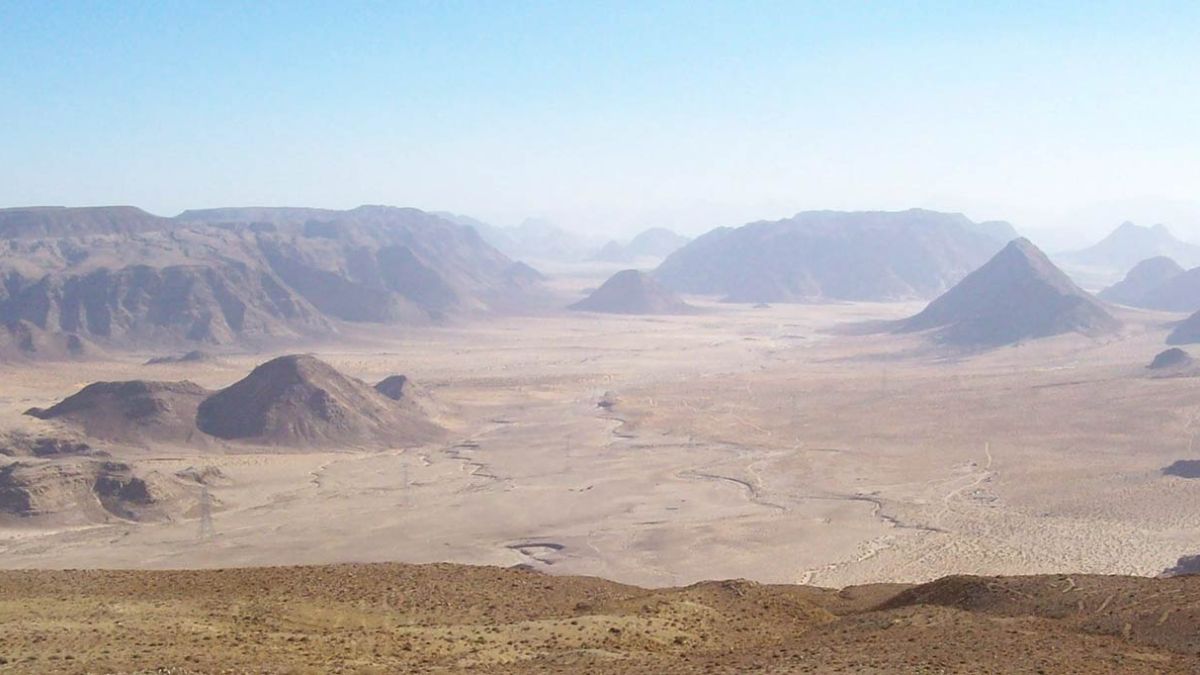
The Arabian Peninsula is located in Southwest Asia and forms a bridge between Asia, Africa and Europe. Its position has historically made it a centre of trade, migration, and cultural exchange. The peninsula connects Asia to Africa via the Sinai region and lies close to important maritime routes.
Countries Located on the Arabian Peninsula
Several countries lie fully or partially within the Arabian Peninsula. These include Saudi Arabia, Yemen, Oman, United Arab Emirates, Qatar, Kuwait and Bahrain. Saudi Arabia occupies the largest portion of the peninsula, covering most of its central area.
Climate and Physical Features
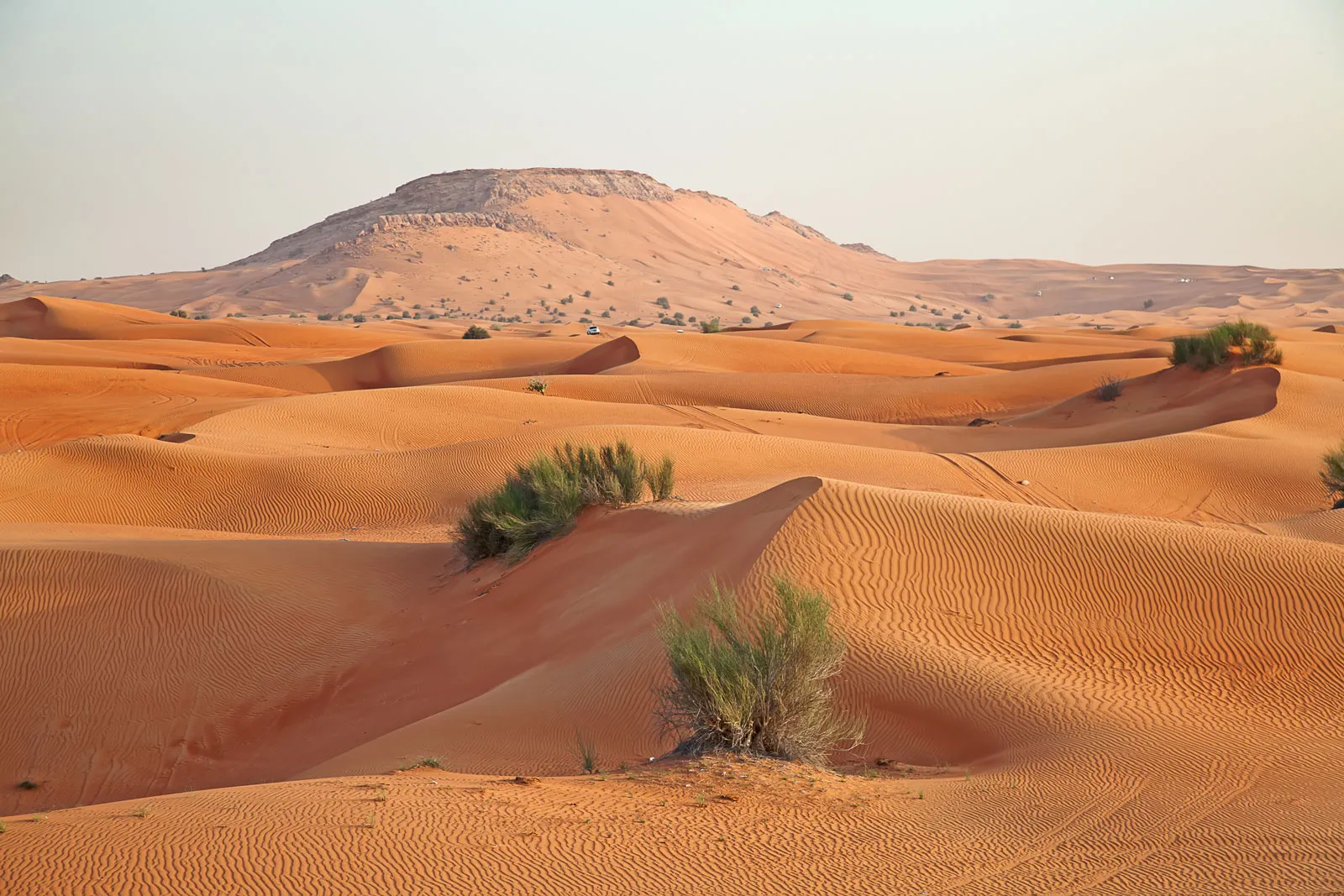
The Arabian Peninsula is known for its hot desert climate, with extremely high temperatures and low rainfall. It contains some of the world’s largest deserts, including the Rub’ al Khali (Empty Quarter), which is one of the largest continuous sand deserts on Earth. Despite its arid conditions, the peninsula also features mountain ranges, plateaus and coastal plains.
Economic Importance of the Arabian Peninsula
The Arabian Peninsula holds immense economic importance due to its vast oil and natural gas reserves. The region is a major global energy supplier and plays a key role in the world economy. Oil-rich nations of the peninsula influence global energy markets and international trade.
Historical and Cultural Significance
Historically, the Arabian Peninsula has been the birthplace of major civilizations and religions. It is the origin of Islam, with holy cities such as Mecca and Medina located in Saudi Arabia. Ancient trade routes passed through the peninsula, connecting Asia, Africa and Europe for centuries.
Strategic Importance in Global Trade
The peninsula lies close to major sea routes such as the Suez Canal, Bab el-Mandeb Strait and Strait of Hormuz. These waterways are among the most important maritime chokepoints in the world, making the Arabian Peninsula strategically vital for global shipping and security.
Interesting Facts About the Largest Peninsula in the World
World’s Largest Peninsula by Area
The Arabian Peninsula is the largest peninsula on Earth, covering around 3.2 million square kilometres.
Home to the Largest Sand Desert
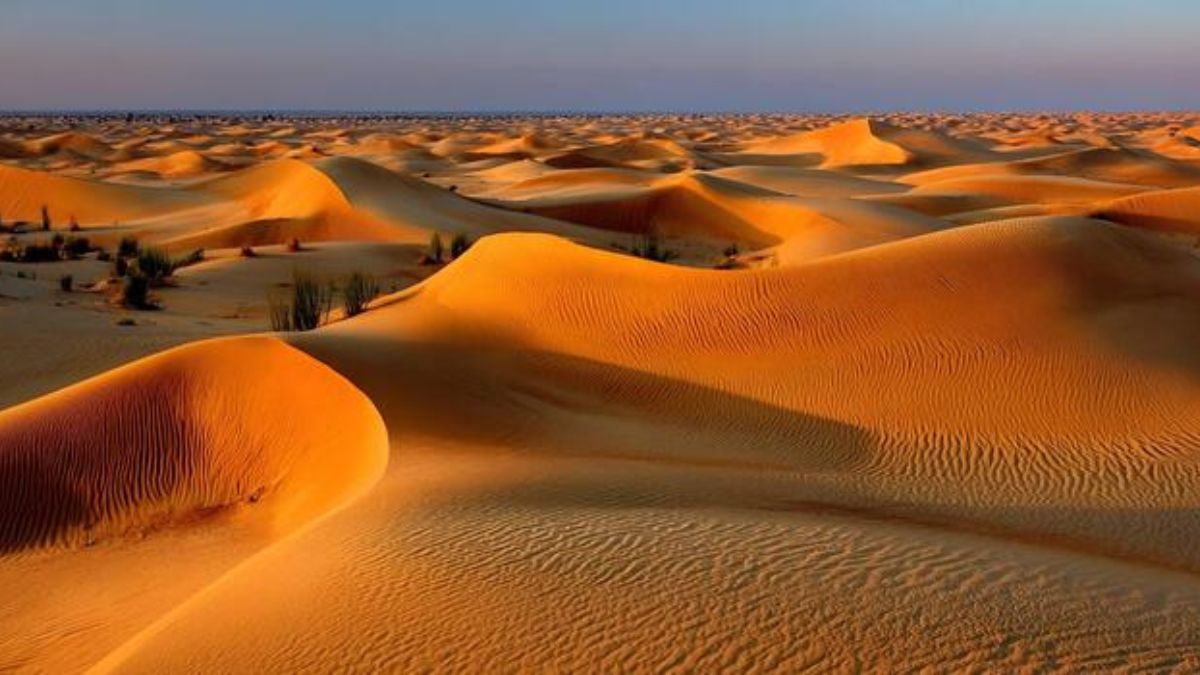
The Rub’ al Khali desert on the peninsula is one of the largest and most inhospitable sand deserts in the world.
Richest Energy Region
The peninsula contains some of the world’s largest oil and gas reserves, shaping global energy supply.
Birthplace of Islam
Islam originated on the Arabian Peninsula, making it one of the most religiously significant regions in the world.
Ancient Trade Hub
For thousands of years, the peninsula served as a crossroads for spice, incense and silk trade routes.
Extreme Climate Conditions
Temperatures in parts of the peninsula can exceed 50°C, making it one of the hottest inhabited regions on Earth.
Surrounded by Key Water Bodies
The peninsula is bordered by the Red Sea, Arabian Sea, Persian Gulf and Gulf of Oman.
Read more: Which Is the Largest Coral Reef in the World?
The Arabian Peninsula is the largest peninsula in the world due to its massive land area, unique geographic position and clear separation by surrounding seas. Keep reading for more such articles.



Comments
All Comments (0)
Join the conversation